Welcome to this website!

Choosing the right Colander Basket is rarely as simple as selecting the largest model. Global buyers must consider drainage speed, bowl stability, handle comfort, storage space, and material performance. A basket that works well in a busy restaurant may feel oversized in a small home kitchen.
This guide reviews ten practical options for different purchasing needs. Each selection is examined through everyday details, such as perforation size, rim strength, base clearance, and resistance to staining. Stainless steel models often suit demanding commercial use, while food-grade plastic can offer lighter handling and easier color choices. Silicone designs may fold neatly, though their flexibility is not ideal for every task.
Reliable sourcing also matters. Buyers should request clear material specifications, product dimensions, packaging information, and consistent quality records from suppliers. Independent testing, traceable manufacturing, and transparent communication can reduce unpleasant surprises during bulk purchasing. However, product descriptions are not always complete. Some performance judgments remain subjective.
No basket wins every kitchen.
A useful comparison must reflect real working conditions. Will the Colander Basket hold heavy potatoes without bending? Can its feet remain steady over a deep sink? Do the holes drain rice too quickly? These small questions often reveal more than attractive photographs. The following list balances function, durability, cleaning convenience, and value, helping importers, retailers, hospitality buyers, and households make more informed decisions. Some rankings may invite debate, and that is reasonable. Practical testing should still guide the final purchase.
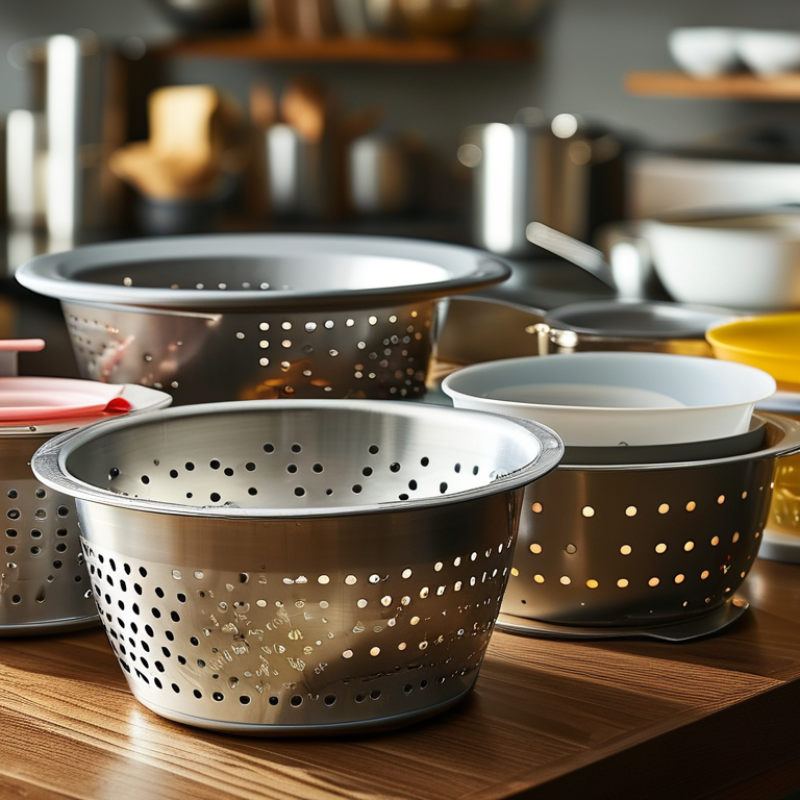
Colander baskets are not interchangeable. Their shape, perforation, and support determine how well they handle daily kitchen tasks. Standard bowl colanders suit rinsing vegetables, draining pasta, and washing fruit. Large holes release water quickly but may let rice or small berries escape. Fine perforations work better for grains, herbs, and delicate produce.
Over-sink baskets are useful in compact kitchens. Their extendable arms rest across different sink widths, leaving both hands free. Footed colanders stand above the counter, so drained water does not touch food. Perforated inserts fit inside cooking pots and support steaming or lifting boiled ingredients. Collapsible silicone baskets save storage space, although their flexible sides can feel less stable with heavy pasta. Mesh baskets filter very small particles, but they need careful cleaning.
Material affects long-term use. Stainless steel resists heat and odors, while food-grade plastic is lighter and often quieter against sinks. Check handle strength, base stability, hole size, and dishwasher guidance before buying. A shallow basket drains quickly, but it may spill leafy vegetables. I once assumed a larger basket was always better; it was awkward in a narrow sink. That choice needed reconsideration. Global buyers should also compare measurement units, packaging protection, and local food-contact requirements before placing large orders.
10 Best Colander Baskets for Global Buyers
Key Features to Compare Before Choosing a Colander Basket
A reliable colander basket should drain quickly without tipping under wet food. Check the base first. Wide feet keep the basket above a sink or countertop. Small drainage holes suit rice and berries, while larger holes release water faster from pasta and vegetables. Hole edges should feel smooth. Rough edges can trap food and irritate your hands during washing.
Material affects durability, weight, and cleaning. Stainless steel resists stains and heat, but it may scratch delicate sinks. Food-grade plastic feels lighter and usually costs less. However, low-quality plastic can warp near boiling water. Always check the stated temperature range and food-contact information for your market. Handles should stay cool, feel secure, and support a full load. A basket that holds only half a pot is less useful than expected.
Measure before buying. A deep basket may drain well but fail to fit inside a narrow sink. Nesting designs save storage space, especially in small kitchens. For international orders, compare dimensions in both centimeters and inches. Packaging also matters. Thin packaging can arrive crushed. I have found that product photos often hide weak bases and short handles. Ask for underside images when details seem unclear. That extra step feels slow, but it can prevent an expensive mistake. Cleaning remains important too. Avoid designs with narrow seams where flour, seeds, or vegetable fibers can collect.
| Rank | Colander Basket Type | Typical Capacity | Common Materials | Approx. Size Range | Drainage Design | Key Features to Compare | Best Use | Cleaning & Care | Buyer Considerations |
|---|---|---|---|---|---|---|---|---|---|
| 1 | Large Stainless-Steel Bowl Colander | 4–6 L | Food-grade stainless steel | 28–32 cm diameter | Perforated sides and base | Rigid structure Rust-resistant Stable rim | Draining pasta, vegetables, fruit and large food portions | Usually dishwasher-safe; dry after washing to reduce water spots | Check steel grade, wall thickness, rim finish and base stability |
| 2 | Collapsible Silicone Colander | 2–4 L | Food-grade silicone with a rigid support ring | 22–28 cm diameter; approximately 4–8 cm folded height | Small drainage holes in base and side walls | Space-saving Flexible Lightweight | Small kitchens, caravans, camping and compact storage areas | Generally dishwasher-safe; inspect folds for trapped food or water | Compare folded height, silicone thickness, odor resistance and frame rigidity |
| 3 | Plastic Colander with Handles | 2–5 L | Food-contact polypropylene or similar durable plastic | 24–30 cm diameter | Molded holes across the base and lower sides | Lightweight Color options Easy handling | Everyday rinsing of produce, grains and cooked foods | Many models are dishwasher-safe; avoid excessive heat unless specified | Review food-contact compliance, heat tolerance, handle strength and BPA status |
| 4 | Over-the-Sink Extendable Colander | 3–5 L | Plastic, stainless steel or a combination of both | Adjustable length of approximately 32–50 cm | Perforated basket with raised draining base | Hands-free draining Adjustable width Raised feet | Rinsing foods while leaving both hands free | Clean sliding rails and joints carefully; dishwasher suitability varies | Measure sink width, check load capacity and confirm non-slip end grips |
| 5 | Fine-Mesh Strainer Basket | 1–3 L | Stainless-steel mesh with a metal or reinforced rim | 18–26 cm diameter | Fine woven mesh | Small-particle filtration Strong drainage Fine mesh | Rinsing rice, quinoa, lentils, berries and fine ingredients | Rinse promptly after use; fine mesh may require a soft brush | Compare mesh aperture, seam quality, handle length and resistance to deformation |
| 6 | Footed Countertop Colander | 3–5 L | Stainless steel or rigid food-grade plastic | 24–30 cm diameter; raised 3–6 cm from the surface | Base and side perforations | Elevated base Free drainage Stable placement | Draining foods directly over a sink, tray or countertop | Wash and dry the feet and underside; dishwasher compatibility varies | Check foot grip, clearance height, balance and compatibility with collection bowls |
| 7 | Multi-Size Nesting Colander Set | 1.5–5 L per basket | Plastic, stainless steel or mixed materials | Approximately 18–30 cm diameter across the set | Perforations sized for general food preparation | Multiple sizes Stackable Versatile | Households or food-service kitchens needing several capacities | Confirm whether every piece is dishwasher-safe; dry nested parts separately | Compare storage footprint, size progression, nesting clearance and set contents |
| 8 | Clip-On Pot Colander | 1–3 L | Heat-resistant plastic, silicone or stainless steel | Designed for pot rims of approximately 18–28 cm | Drainage slots or perforated panel | Compact Pot-mounted Quick pouring | Draining pasta or vegetables without transferring food to a separate bowl | Remove from the pot before cleaning; verify heat and dishwasher ratings | Check rim compatibility, locking security, heat resistance and pouring angle |
| 9 | Deep Berry and Produce Colander | 1–3 L | Food-grade plastic, stainless steel or silicone | 20–26 cm diameter; deeper bowl profile | Small-to-medium holes for controlled drainage | Deep basket Gentle handling Produce focused | Washing berries, leafy greens, cherries and delicate produce | Use a soft sponge on delicate surfaces; dry thoroughly after rinsing | Compare hole size, interior smoothness, ventilation and crush resistance |
| 10 | Commercial-Grade Reinforced Colander | 6–12 L | Heavy-gauge stainless steel or reinforced food-grade plastic | 32–40 cm diameter | Large perforated base with reinforced side drainage | High capacity Heavy duty Frequent-use design | Restaurants, catering, institutional kitchens and bulk preparation | Often suitable for commercial dishwashers; follow the material care instructions | Assess weight, stacking ability, handle strength, weld quality and local food-safety requirements |
Choosing the best colander basket depends on the kitchen task, not only its appearance. For rinsing berries, a small basket with fine perforations helps reduce bruising and prevents smaller fruit from slipping through. For pasta, choose a wider model with stable feet and side handles. I have found that uneven handles can make a full basket awkward to lift.
Material also changes daily performance. Stainless steel suits frequent cooking, resists odors, and usually tolerates hot water well. Food-grade silicone can fold into a narrow drawer, which helps in compact kitchens and shared apartments. Hard plastic models are often lighter and quieter, but buyers should check food-contact details, heat limits, and regional compliance documents. Details matter.
Drainage should match the sink and household habits. A raised base keeps food away from cloudy sink water, while a deep bowl reduces splashing during rinsing. Global buyers should compare basket diameter, handle spacing, packaging protection, and measurement units before ordering. A basket may fit the product photo but not the sink. That mistake is easy to make. Some designs also claim to be dishwasher-safe, yet repeated high heat can affect finishes or flexible parts. Check the care instructions and test the basket with a small load before relying on it for large family meals.
Typical capacity comparison for different kitchen needs. The figures represent common retail specification ranges for each colander style and are intended to support practical product selection.
How to read the chart: Larger-capacity baskets are better suited to family meals, pasta and bulky vegetables, while smaller designs are practical for berries, herbs and compact kitchens.
Material, Size, Drainage, and Durability Considerations
Material affects hygiene, weight, and service life. Stainless steel resists odors, staining, and heat, but thin walls may dent during transport. Food-grade polypropylene feels lighter and usually costs less. Silicone folds easily, although its flexible rim can feel unstable with heavy pasta. Buyers should request food-contact documentation for the destination market. Small details matter.
Size must match both meal volume and sink dimensions. A 2 to 3-liter basket suits small households, while larger kitchens may need 5 liters or more. Measure the sink before ordering. Handles should remain cool and provide a firm grip with wet hands. Nested shapes can reduce carton volume and shipping costs. However, oversized baskets may strain weaker shelves or storage racks.
Drainage deserves close inspection. Evenly spaced holes should release water quickly without letting small grains escape. Raised feet keep the basket above pooled water, improving rinsing and airflow. Check whether the base stays stable on a flat counter. During practical product checks, baskets with narrow feet sometimes tipped under uneven loads. That detail is easy to miss. Durability depends on wall thickness, welded joints, rim strength, and resistance to repeated washing. Ask for load testing, carton protection, and replacement-part information. Some specifications sound convincing but need verification.
Global buyers should judge colander baskets beyond appearance. Food-contact safety comes first. Stainless steel should resist rust, while plastic needs clear food-grade documentation. Check the rim, handles, and drainage holes by hand. Sharp edges can cause injuries during washing or packing. Small details matter. Heat resistance is also important when users drain boiling pasta or vegetables.
Standards differ across markets. Ask suppliers for material declarations, test reports, and batch traceability records. Documents should match the exact product, not a similar model. Confirm requirements for food-contact materials in the destination country. A practical inspection should test odor, staining, weld quality, and handle strength. I have seen attractive samples fail because their handles loosened after repeated loading. That mistake deserves more attention.
Shipping value depends on the landed cost, not the factory price alone. Nesting designs can reduce carton volume and ocean freight charges. Measure the packed carton, product weight, minimum order quantity, and port fees. Request a pre-shipment sample with production packaging. It may reveal crushed rims or missing protective sleeves. Buyers should also compare delivery reliability, because a cheaper shipment can become expensive after delays, storage fees, or replacement orders.