2026 Best Food Strainer Options for Every Kitchen Need
In every bustling kitchen, a reliable food strainer is essential for smooth preparation. Expert chef Jane Thompson once said, "Choosing the right food strainer can transform your cooking." She emphasizes the importance of selecting a tool that meets specific culinary needs.
The market is flooded with options tailored for various tasks. Some strainers excel at sifting flour, while others focus on draining pasta. However, not all food strainers are created equal. You might find that a strainer best suited for one task underperforms in another. Thus, users often face challenges in selecting the perfect fit.
Consider how a simple food strainer can unlock flavors and improve textures. A well-chosen strainer can enhance sauces and ensure fresh juices. Yet, many people ignore the potential of these tools. Instead, they continue to use makeshift solutions that may fall short. Reflect on your kitchen. Is your food strainer up to the challenge?
Overview of Food Strainers and Their Importance in the Kitchen
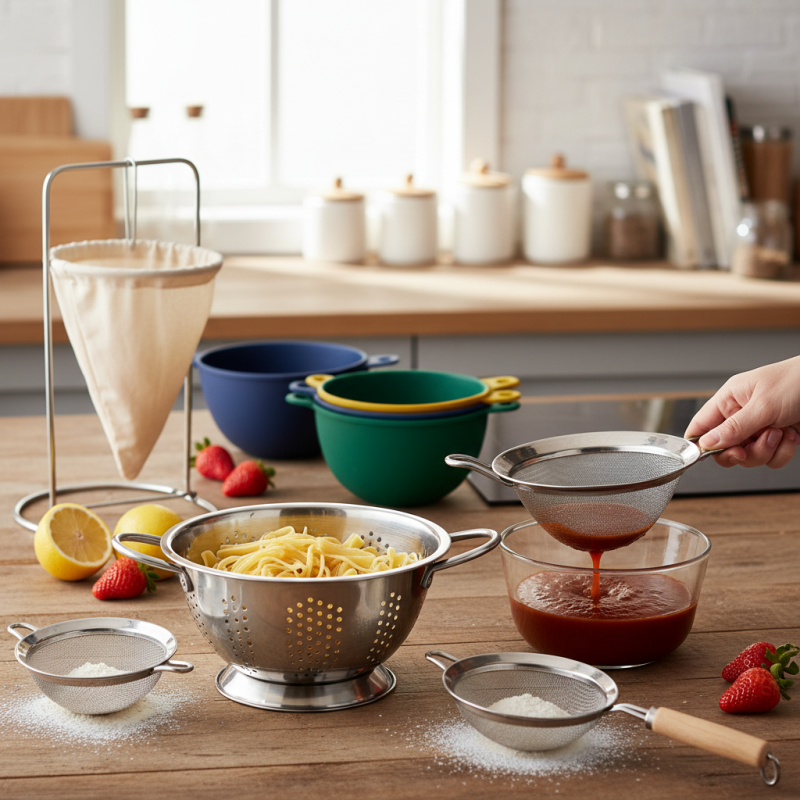
Food strainers play a vital role in any kitchen. They help separate solids from liquids. This process can be crucial for many recipes. Imagine making a smooth soup or a rich sauce. A good strainer can make all the difference. Without one, you might end up with a lumpy consistency instead of the silky texture you desire.
Selecting the right food strainer can be challenging. There are various types available. From fine mesh to colanders, the options can be overwhelming. Each type serves a different purpose. A fine mesh strainer is perfect for tiny particles. On the other hand, a colander works well for pasta. It’s essential to evaluate your cooking habits. Sometimes, the wrong choice might linger on your kitchen shelf, collecting dust. You might realize that you need a different type as your cooking style evolves.
Proper cleaning and maintenance are essential. Strainers can retain food residues and smells if not cared for. Rinse them immediately after use. Consider their design; some can trap food particles more easily than others. Reflecting on these aspects can improve your cooking experience. The right food strainer not only enhances your meals but also simplifies your kitchen tasks.
2026 Best Food Strainer Options for Every Kitchen Need
| Type of Strainer |
Material |
Mesh Size |
Best Use |
Handle Type |
| Fine Mesh Strainer |
Stainless Steel |
Mesh #60 |
Straining sauces and stocks |
Long Handle |
| Colander |
Plastic |
N/A |
Draining pasta and vegetables |
Short Handles |
| Sieve |
Aluminum |
Mesh #30 |
Dusting flour or straining fruit |
Hand-held |
| Chinois |
Stainless Steel |
Extra Fine |
Making smooth sauces |
Long Handle |
| Spider Strainer |
Stainless Steel |
Large Holes |
Removing food from boiling water |
Long Handle |
Types of Food Strainers: Selecting the Right One for Your Needs
When it comes to food strainers, selecting the right type is essential. Different kitchens have different needs. A fine mesh strainer is perfect for making smooth sauces. It can also sift flour or dust powdered sugar. Yet, the tiny holes can be tedious to clean. Sometimes, food gets stuck.
On the other hand, a colander is ideal for draining pasta. Its larger holes allow for quick drainage. However, the design might not catch small grains, leading to waste. A combination strainer offers versatility. It can handle various tasks. Yet, it's often bulkier, taking up more space.
Consider your cooking habits before choosing. Do you often make soups or sauces? A fine mesh option could be best for you. If you cook pasta frequently, a colander is a must. Reflect on what would serve you best in your kitchen, even if choices seem overwhelming at times.
2026 Best Food Strainer Options for Every Kitchen Need
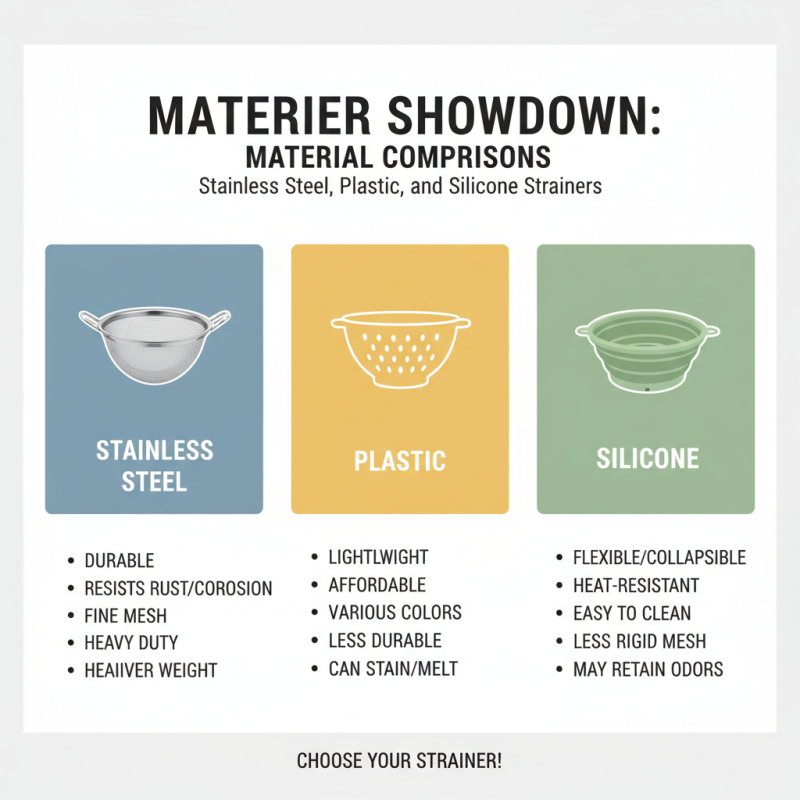
Material Comparisons: Stainless Steel, Plastic, and Silicone Strainers
When it comes to food strainers, material choice is crucial. Stainless steel strainers are incredibly durable. They resist rust and corrosion. This makes them suitable for heavy use in busy kitchens. The fine mesh allows for efficient straining of liquids, ensuring smooth sauces and perfectly drained pasta. However, some may find them too heavy for smaller tasks.
Plastic strainers are lightweight and often more affordable. They come in various colors and shapes, appealing to many. Yet, they may warp over time or stain from tomato-based products. Their ease of use makes them great for quick jobs. Still, those who prioritize longevity might reconsider their utility.
Silicone strainers offer a flexible option. They can withstand high temperatures and are gentle on cookware. Their collapsible design saves storage space, which is a big plus for small kitchens. However, their mesh might not catch finer particles, leading to potential issues in some recipes. Balancing material strengths and weaknesses can help you choose the right strainer for your kitchen needs.
Top Features to Look for in a Quality Food Strainer
When choosing a food strainer, consider key features that enhance usability. A well-constructed strainer should have a sturdy frame. Stainless steel often provides durability. Look for fine mesh options for straining liquids without losing small food particles. This ensures that sauces and soups have smooth textures.
Size matters significantly. A larger strainer can accommodate more food, making it ideal for batch cooking. However, a smaller strainer is easier to store. Decide based on your kitchen space and needs. A comfortable handle is also crucial. It should feel stable during use, preventing slips that can lead to spills.
Lastly, ease of cleaning is vital for any kitchen tool. Strainers with removable parts can simplify this process. Sometimes, small nooks and crannies can trap food and become hard to clean. This can be annoying. Choosing a dishwasher-safe option can make maintenance easier. Reflect on your habits to find the right fit. Every kitchen is different, and a personal touch makes all the difference.
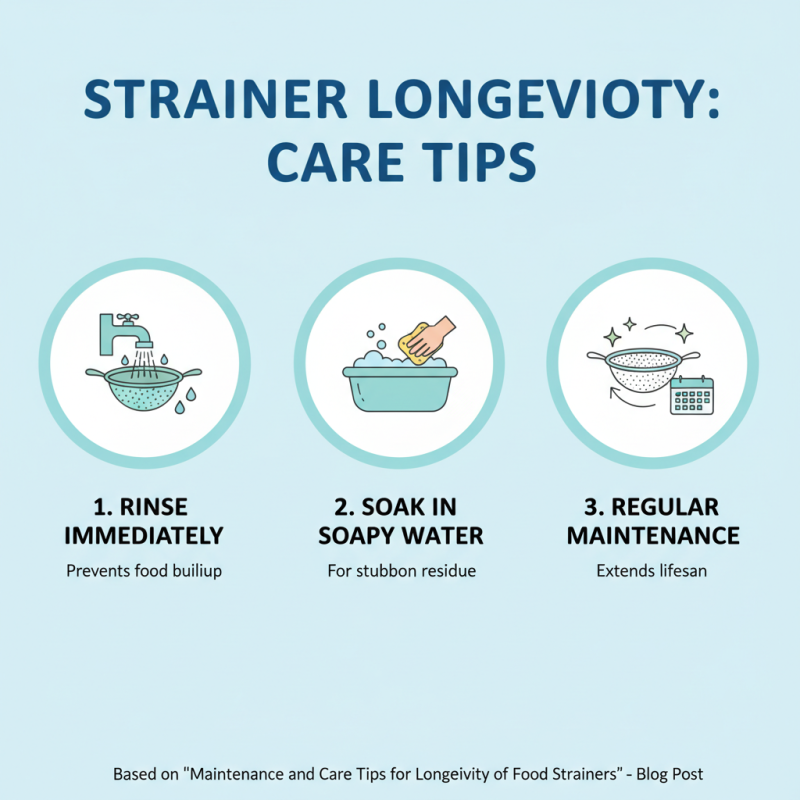
Maintenance and Care Tips for Longevity of Food Strainers
When choosing a food strainer, regular maintenance is key to increasing its lifespan. Start by rinsing your strainer right after use. Food particles can get stuck and harden over time. A quick rinse will prevent buildup. If you notice stubborn residues, soak the strainer in warm, soapy water. This method is simple and effective.
Regularly inspecting the strainer is advisable. Check for any signs of wear or rust. Metal strainers may develop rust spots if not dried properly. Plastic strainers can crack under extreme temperatures. If you find any damage, it might be time to consider a replacement. Neglecting these signs can lead to issues during cooking.
Cleaning tools can also contribute to the longevity of your food strainer. A dedicated brush can help remove fine particles. Avoid abrasive cleaners, as they can scratch the surface. Using soft sponges is ideal. Remember, the effort put into maintenance pays off. A well-cared-for strainer performs better and lasts longer in your kitchen.