Welcome to this website!

Leave Your Message

What Are the Best Types of Kitchen Colanders?

A Kitchen Colander looks simple: a bowl of perforated steel or plastic, ready beside the sink. Yet the right design can change how quickly pasta drains, how securely berries sit, and whether water escapes cleanly from rinsed greens. The U.S. Environmental Protection Agency’s From Field to Bin report estimates that 66 million tons of wasted food came from households, food service, and retail in 2019. A colander cannot solve food waste alone. Still, draining produce well and handling it carefully can help keep usable ingredients on the counter, not in the bin.

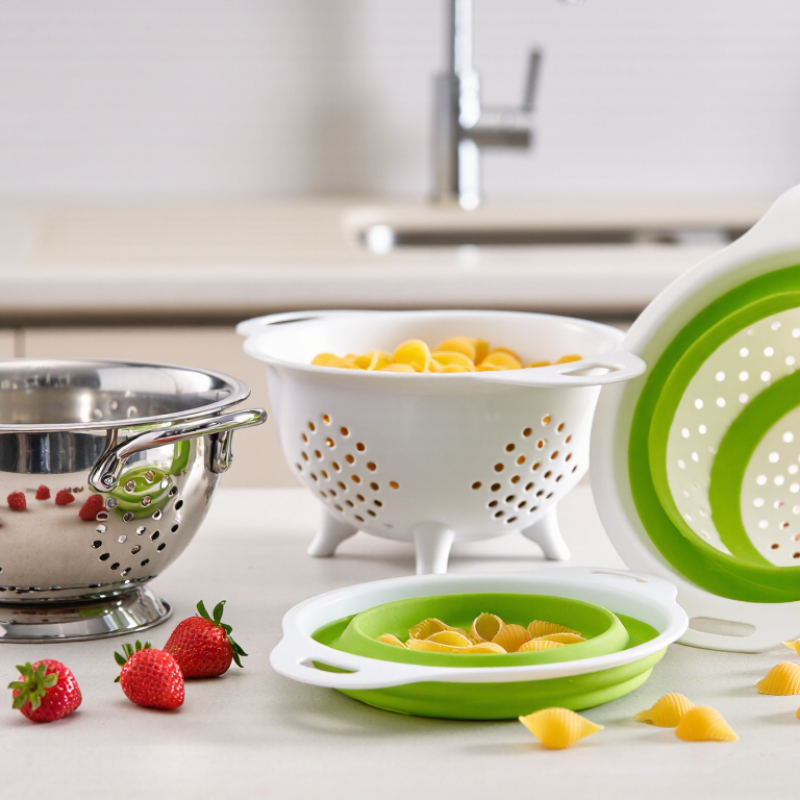
Public reports rarely measure colanders as a separate product category. So claims about a “best” type deserve caution. The FDA advises washing produce under running water and using a clean brush for firm items, guidance that makes easy-to-clean surfaces and stable bases practical considerations. Stainless steel, plastic, and silicone each bring trade-offs: steel feels sturdy, plastic is light, and collapsible silicone saves cupboard space. Small details matter. Check the rim, feet, hole size, and handle grip before buying. A narrow base can wobble; large openings may let small berries slip through.

This guide compares the main types by material, drainage, durability, storage, and everyday use. No verifiable quotation from a dedicated Kitchen Colander industry expert was included in the available source material, so I won’t invent one. That gap is worth noting. The best choice depends less on a grand claim and more on what you drain, how often you cook, and how much shelf space you have.
What Are the Best Types of Kitchen Colanders?

How Kitchen Colanders Work and What Makes One Effective

A kitchen colander separates solids from liquid by letting water pass through openings while food stays inside. Its effectiveness depends on more than hole size. The openings need to drain quickly without letting small ingredients escape. A wide base or stable handles also help keep the colander steady over a sink or bowl. That matters when rinsing a heavy batch of potatoes.

Fine mesh works well for rinsed rice, berries, and small pasta shapes, but it can clog with starchy residue. Larger perforations drain pasta quickly, though thin noodles may slip through. A bowl-shaped colander holds food securely; a shallow design can be easier to empty. There is no perfect choice. The best fit depends on what you cook most often.

Check that water can flow freely from the sides and bottom, not just through a small central area. Smooth, rounded rims are more comfortable when the colander is full, and sturdy handles reduce awkward lifting. Stainless steel tolerates hot draining well, while plastic models should be used within their stated heat limits. Cleaning matters, too. Tiny holes can trap food, so inspect them after washing. A colander that looks roomy in a cabinet may feel cumbersome over a narrow sink. That trade-off is easy to miss.
Common Colander Materials and Their Properties

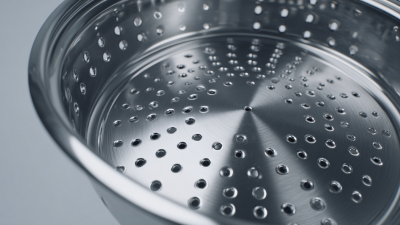
Stainless steel is the dependable all-rounder: its rigid rim stays steady under a heavy load of potatoes, and it tolerates frequent washing. The World Stainless Association reported 58.4 million tonnes of stainless-steel production in 2023 in Stainless Steel in Figures 2024. That scale reflects an established material supply, not a guarantee that every colander has the same durability. I still think weight is easy to underestimate. Check the handle and base, especially if you often lift a full colander from the sink.

Plastic colanders are light and often easier to handle, but can stain or retain odors after contact with tomato sauce or garlic. Heat tolerance varies, so check the care label before pouring boiling pasta water into one. Silicone models fold away neatly and flex for storage; that flexibility can make them less stable when full. Aluminum is light and conducts heat readily, but coatings and alloy quality vary. No material wins every kitchen.

Tips: Match the material to your routine. For draining hot noodles, use a heat-rated model with a firm base; for small cupboards, consider silicone. Wash and dry seams and handles thoroughly. A tiny amount of trapped water can be easy to miss.

What Are the Best Types of Kitchen Colanders?

Compare common colander materials by their typical material density. Lower density generally means a lighter material, though the finished colander’s weight also depends on its size and design.

Material notes: Stainless steel is durable and corrosion-resistant; aluminum is lightweight but softer; polypropylene is lightweight and typically less heat-tolerant; silicone is flexible and heat-resistant. Densities shown are approximate typical values and can vary by alloy or formulation.

Main Types of Kitchen Colanders by Design

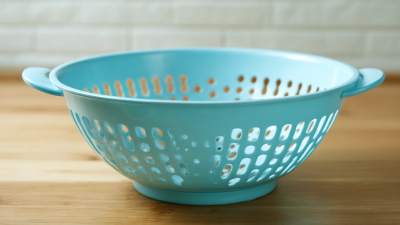
A kitchen colander’s design affects how it drains, where it rests, and how easily it stores. The classic bowl-shaped colander has a sturdy base and side handles, making it handy for rinsing vegetables or draining pasta. Its larger holes let water escape quickly, but small grains may slip through. Check that its feet hold the bowl above the sink’s pooled water. Small details matter.

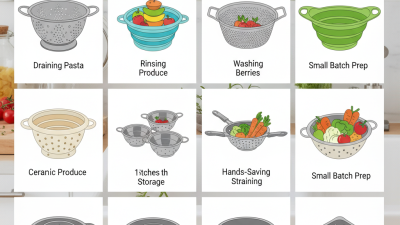
An over-the-sink colander uses extending arms to sit across the basin. It keeps food away from dirty dishwater and frees both hands for rinsing. Measure your sink before buying one; not every model fits every basin. A collapsible colander, often made with flexible sides, saves cupboard space. It can feel less rigid when full, though, so lift it carefully.

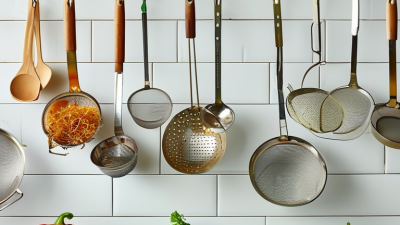
Fine-mesh colanders are designed for tiny foods such as quinoa, washed rice, or berries. They catch small pieces, but their tighter weave drains more slowly and can trap food. A handled insert that rests inside a pot makes draining hot pasta easier, yet it may be awkward to store. There is no perfect shape for every kitchen. Consider what you drain most often, how much space you have, and whether the handles stay cool and comfortable when wet.

What Are the Best Types of Kitchen Colanders? — Main Types of Kitchen Colanders by Design

Colander Type Design Best For Main Advantages Things to Consider
Bowl Colander A perforated bowl, usually with a flat or rounded base and two side handles. Draining pasta, rinsing vegetables, and everyday kitchen tasks. Simple to use, easy to move, and available in a range of sizes and materials. Needs a sink or bowl beneath it to catch draining water; check that its base sits securely.
Footed Colander A bowl-style colander with short feet that raise its perforated base above the sink or counter. Draining foods when you want the contents held above the collected liquid. Elevated feet help keep food away from water gathered underneath. Feet add height and can make the colander harder to store in a shallow drawer.
Over-the-Sink Colander A basket with handles or extending arms that rest across the edges of a sink. Draining larger portions and hands-free rinsing over the sink. Uses sink space rather than counter space and allows water to drain directly into the basin. Measure the sink before buying; fixed-width models may not fit every sink.
Expandable Colander A collapsible basket, often made with a flexible body and a rim that expands to fit across a sink. Small kitchens, compact storage, and adjustable sink placement. Folds down for storage and can adapt to a range of sink widths. Check its stated size and weight capacity; flexible sides may feel less rigid than a solid basket.
Handled Colander A perforated basket with one or two long handles for holding or hooking onto a pot or sink. Lifting and draining foods, or supporting the basket over a pot. Long handles provide a secure grip and can make transferring food easier. Handles take up extra storage space and may become hot if they rest against hot cookware.
Fine-Mesh Strainer A bowl-shaped wire mesh basket with small openings and a handle or rim. Rinsing small grains, draining delicate foods, and straining liquids or sauces. Fine mesh catches smaller particles that can pass through larger perforations. Mesh can be slower to clean if food sticks; it is not always as sturdy as a rigid perforated basket.
Pot-Clip Colander A compact strainer that clips onto the rim of a cooking pot to hold food back while liquid is poured out. Draining pasta or vegetables directly from the pot. Compact and reduces the need to transfer hot food into a separate basket. Compatibility depends on the pot’s rim and shape; pour slowly to maintain a secure fit.

Choosing a Colander for Different Kitchen Tasks

Choosing a colander starts with the food, not the cupboard. For pasta, a sturdy stainless-steel bowl with evenly spaced holes drains quickly and sits securely in the sink. For rinsing quinoa, berries, or chopped herbs, use fine mesh; small grains can escape through standard perforations. A wide base helps when draining a heavy pot of potatoes, while an over-sink model frees counter space. Handy, but not always stable on a shallow sink. For leafy greens, a spinner basket can drain gently and reduce the soggy leaves left in a bowl.

Food safety matters, too. The CDC estimates that 48 million people in the United States get foodborne illnesses each year, according to its Estimates of Foodborne Illness report. A colander cannot prevent every risk, but smooth surfaces and accessible holes are easier to clean between tasks. The FDA advises rinsing produce under running water and avoiding soap; a fine-mesh basket can make that step less fiddly. Don’t pack it tightly, or water may miss leaves tucked in the middle. I’d choose a collapsible model only after checking how firmly it holds its shape. Convenience is useful, though a wobbly basket can spill dinner.

Cleaning, Storage, and Long-Term Care of Colanders

Rinse a colander soon after use, especially after draining rice, pasta, or leafy greens. Rinse it promptly. A soft brush helps clear food from fine mesh without bending it. Wash with warm water and mild dish soap, paying attention to the rim, handles, and feet. Those spots collect residue. Avoid abrasive pads on delicate mesh, and check the care instructions before using a dishwasher. High heat can warp some plastic colanders. For stubborn, dried-on bits, soak the colander briefly, then wash again. I sometimes notice a grain tucked under the rim only after the colander has dried; it is an easy detail to miss.

Let the colander dry completely before storing it. Then put it away. Trapped moisture can leave odors or spots, especially where pieces overlap. If stacking several colanders, avoid pressing heavy cookware onto thin mesh or handles. A cupboard shelf with a little space around each piece makes them easier to lift without scraping. Check joints and handles now and then for looseness, cracks, or bent wires. Replace a damaged colander if it no longer feels stable over a sink or bowl. Don’t store it while damp just to clear the counter; that shortcut is convenient, but not always kind to the material.