How to Choose the Best Storage Containers for Your Needs?
When looking for the ideal storage containers, the choices can be overwhelming. These containers play a crucial role in organizing your space. Whether for home, office, or travel, the right storage solution can simplify your life. It’s essential to consider various factors.
Material is a key aspect of your choice. Plastic, metal, and fabric each offer unique benefits. Take into account durability and flexibility. Size matters too. You need to think about how much space you have and the items you want to store. Measuring is not just a suggestion; it’s necessary.
Don't overlook the container's purpose. Are you storing seasonal items or everyday essentials? Think about how easily you need to access these containers. It’s common to buy without planning, leading to clutter and frustration later. Reflect on what truly meets your needs. Selecting the best storage containers requires time and thought. Embrace the challenge for a more organized life.
Understanding Your Storage Needs: Assessing Space and Volume Requirements
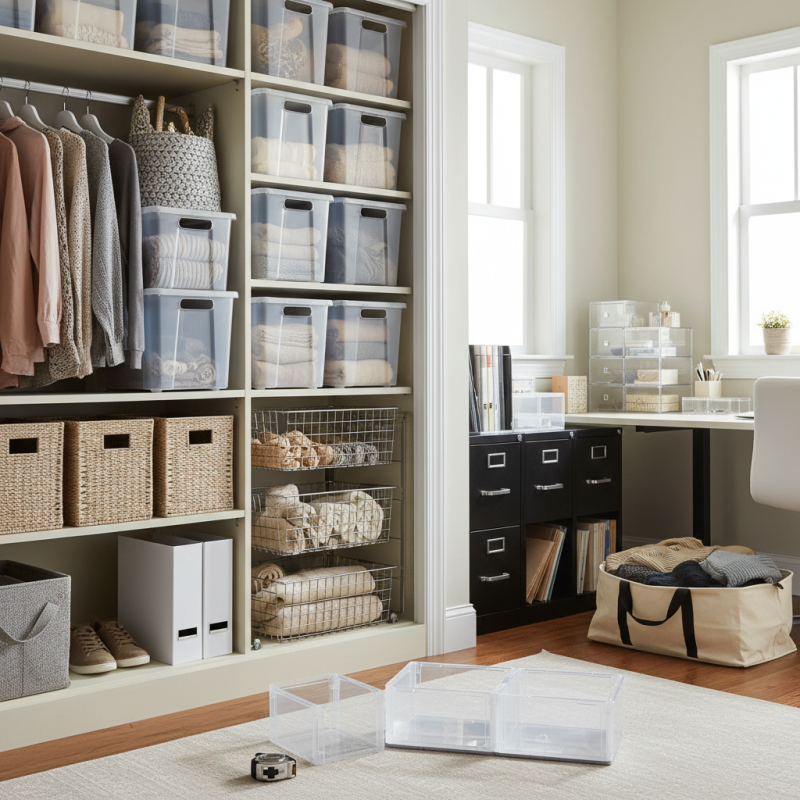
When evaluating your storage needs, understanding the space and volume requirements is crucial. Start by assessing the items you plan to store. Categorize them into groups. Are they seasonal clothes, tools, or kitchen supplies? This helps you visualize what's needed.
Measure the dimensions of your storage area. Consider not just height and width, but also the depth. Some spaces can be awkward. Narrow bins might fit better in tight spots than bulky boxes. You may find that vertical space is underutilized. Installing shelves can maximize utility.
Another aspect to ponder is the volume of the items. Sometimes, our perception of space can be misleading. For example, a few large objects might take up more space than a stack of smaller items. Make a rough inventory. Include dimensions if possible. This will guide you in choosing the right containers. Don't rush this process. Reflect on your choices and make adjustments. It's a journey to find the ideal storage solution.
Material Matters: Comparing Plastic, Glass, and Metal Storage Containers
When selecting storage containers, the material plays a crucial role. Plastic, glass, and metal each have unique benefits and limitations. Plastic containers are lightweight and often less expensive. They are great for organizing pantry items and toys. However, they can warp or stain over time. You might wonder if these containers are truly durable. Cleaning plastic is also a concern; some can’t go in the dishwasher.
Glass containers offer a more elegant solution. They don’t absorb odors, and they’re dishwasher-safe. You can see the contents clearly, making it easy to track supplies. But glass is heavier and can break, leading to potential messes. Using glass requires a mindful approach in storage.
Metal containers, like stainless steel, are robust and long-lasting. They can be excellent for bulk items like grains and nuts. However, they are not microwave safe. Plus, some may rust if not properly cared for. Think about the features you value most. Each material has specific strengths, yet none is perfect for every situation. Adjust your choices based on your lifestyle and needs.
Size and Shape: Optimizing Storage Solutions for Different Environments
Choosing the right size and shape for storage containers significantly impacts your organizational success. Imagine fitting bulky holiday decorations into a square bin. It can be a tight squeeze. Instead, opt for rectangular containers. They usually maximize space more efficiently, allowing you to stack items neatly.
Consider the environment where you will use these containers. For a cramped garage, narrow, tall bins work better than wide ones. Meanwhile, in a pantry, use containers that fit standard shelves. Also, transparent options enable quick visibility of contents. However, if you store items out of sight, opaque containers may be preferable.
Don’t forget about the material. Plastic is lightweight but can warp. Glass is sturdy, yet it’s heavier and more prone to breaking. Reflect on your needs before deciding. A perfect solution may not exist; compromise is often necessary. Understanding your specific requirements will help you avoid storage frustration in the future.
Special Features: Choosing Containers with Lids, Handles, and Stackability
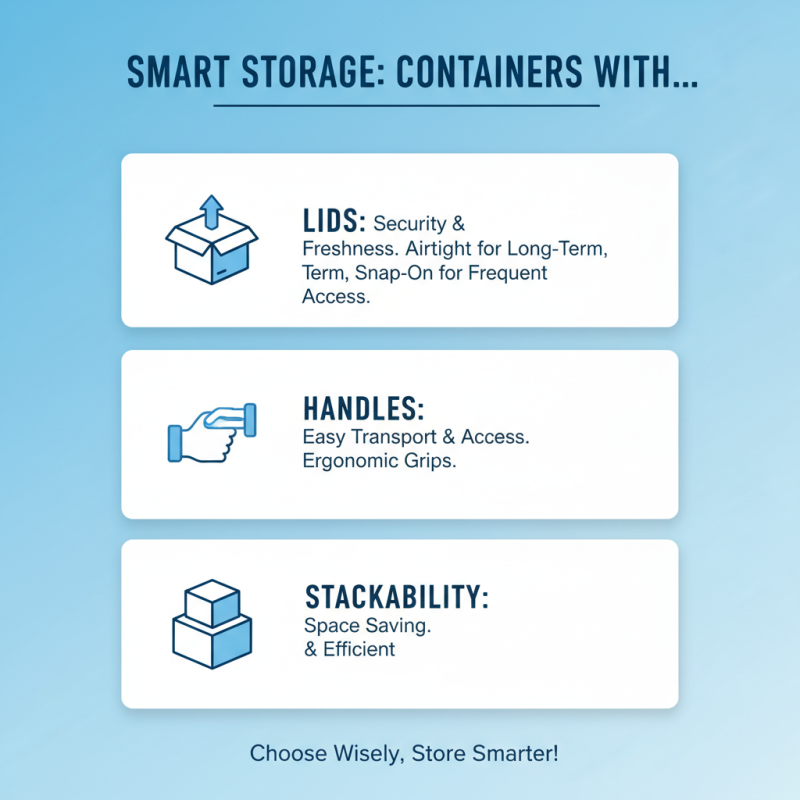
When selecting storage containers, features like lids, handles, and stackability can greatly enhance usability. A well-fitting lid keeps contents secure and protects against dust and moisture. Choose containers with air-tight lids for long-term storage. However, if you often access items, consider those with easy-open tabs or snap-on lids. This balance can prevent frustration when you're in a hurry.
Handles are another key feature. They provide convenience when moving or lifting heavy items. Look for ergonomic designs that offer a good grip. Some containers may have integrated handles or removable ones. Both options can be useful, depending on your specific needs. Reflect on how often you’ll be moving the container. If you plan to transport items frequently, investing in containers with robust, sturdy handles is wise.
Stackability is crucial for maximizing space. Containers that nest well save valuable room. Check whether they can stack without wobbling. A well-stacked system can keep your storage area organized. But, a slight misalignment can lead to falls. It’s important to assess how you pack and access your containers regularly. Think about your habits and space limitations when making your choice.
Cost vs. Quality: Evaluating Price Points and Durability in Storage Options
When selecting storage containers, understanding cost versus quality is crucial. Higher-priced options often provide better durability. They resist wear and tear, preserving your items over time. However, this doesn't mean that all economical choices lack quality. Sometimes, they can surprise you. Yet, cheap containers may not withstand heavy loads or extreme temperatures.
Assessing your needs is essential. Are you storing heavy tools, clothing, or fragile items? Each scenario demands different features. For example, robust materials are key for tool storage. Lightweight containers might suffice for seasonal clothing. Pay attention to construction details, like the strength of handles and closures.
Sometimes, the cheapest option leads to dissatisfaction. You might end up replacing containers frequently. This approach can be more expensive in the long run. Consider investing a little more upfront for better longevity. Reflect on your choices based on intended use and budget. A thoughtful decision today can save headaches later.