How to Choose the Best Kitchen Strainer for Your Needs?
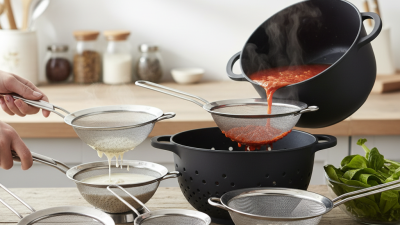
Choosing the right kitchen strainer is more than just a simple purchase. It can significantly affect your cooking experience. A good kitchen strainer enhances food preparation. It helps separate liquids from solids efficiently. There are various types of strainers available. Each has its unique purpose. Bamboo, steel, and silicone options exist, all with different features.
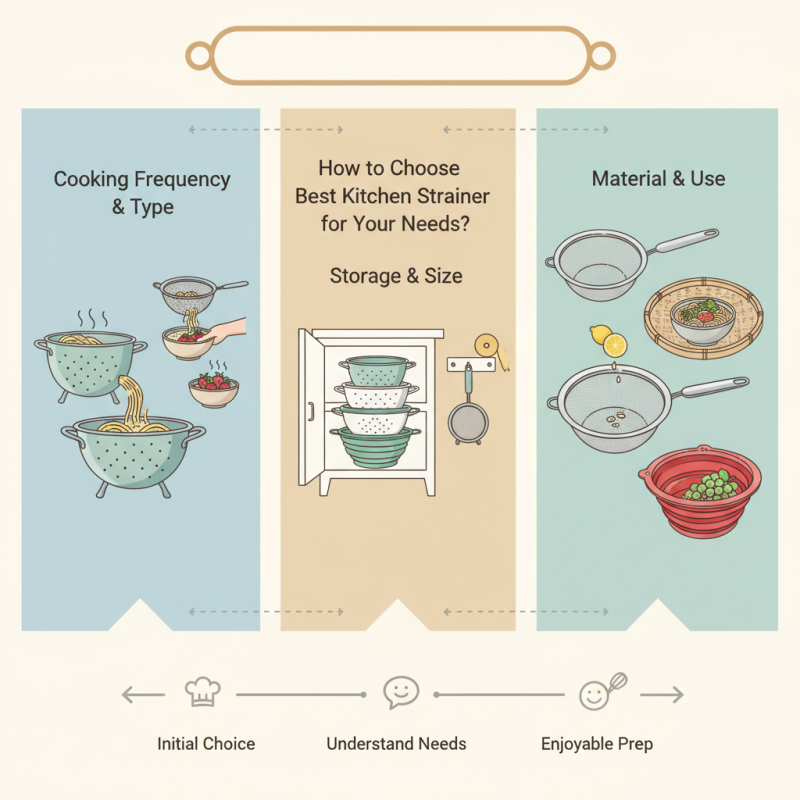
Think about how often you cook. If you make pasta frequently, a colander might be ideal. For small tasks, a fine mesh strainer could work best. Consider your space too. Some kitchen strainers require more storage than others. It’s easy to overlook the size and ease of use. Using the wrong strainer can lead to frustration.
Investing time in choosing the right kitchen strainer pays off. You may realize later that your initial choice wasn't the best. Understand your cooking style and needs. Reflecting on this helps narrow down the options. Remember, the right kitchen strainer will make food prep quicker and more enjoyable.
Understanding Different Types of Kitchen Strainers Available on the Market
When it comes to kitchen strainers, the market offers a variety of types tailored for different culinary tasks. The most common include fine mesh strainers, colanders, and chinois. Fine mesh strainers are ideal for draining liquids from foods like pasta or rinsing grains. According to industry reports, 35% of home cooks prefer fine mesh for its ability to catch small particles effectively.
Colanders come in various materials, such as stainless steel and plastic. They are perfect for rinsing and draining larger food items. Research has shown that over 40% of professional chefs favor stainless steel colanders for their durability and ease of cleaning. However, plastic versions can warp under high temperatures, sometimes leading to safety concerns.
Chinois, often used for making smooth sauces, can be an overlooked tool in home kitchens. While they excel in straining, they can be tricky to use without proper technique. Many novice cooks find themselves frustrated when the liquid drains too slowly. Achieving the right balance with strainers can make a significant difference in culinary outcomes. Each type has unique advantages and potential drawbacks, making it essential to reflect on personal cooking habits when selecting the best option.
Key Factors to Consider When Selecting a Kitchen Strainer
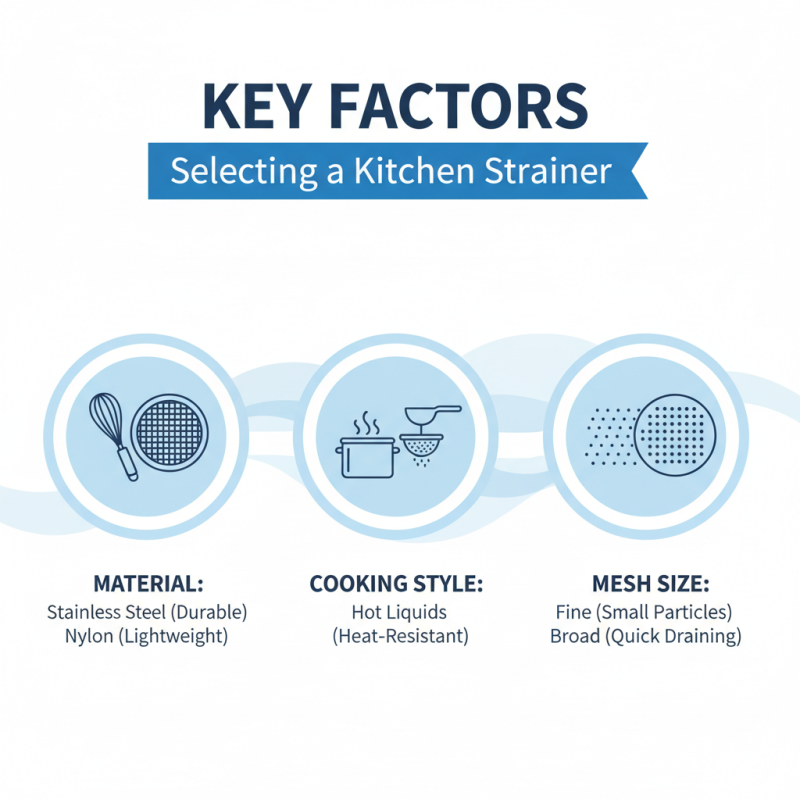
When selecting a kitchen strainer, several factors come into play. Material is crucial. Stainless steel is durable, while nylon is lightweight. Consider your cooking style. If you frequently strain hot liquids, a heat-resistant option is essential. Mesh size is another critical detail. A fine mesh captures small particles, while a broader mesh drains quickly.
Size and shape also matter. A large bowl-shaped strainer works well for pasta, but a smaller, handheld one is versatile for sauces. Ergonomics should not be overlooked. A comfortable grip can make straining easier, reducing fatigue during meal prep.
Lastly, think about storage. Compact options fit easily in drawers, while larger models may take up counter space. Reflect on your kitchen habits. Do you need quick straining or extensive filtering? Understanding your requirements can guide you to the right choice and enhance your cooking experience.
Comparing Materials: Stainless Steel, Plastic, and Silicone Strainers
Choosing the right kitchen strainer can greatly impact your cooking experience. Different materials offer various advantages and disadvantages. Stainless steel, plastic, and silicone are the most common options. Each material serves distinct purposes, making the choice crucial for your culinary needs.
Stainless steel strainers are known for their durability. They can withstand high temperatures and resist corrosion. According to a 2022 report by Kitchenware Insights, over 70% of professional chefs prefer stainless steel strainers. They are easy to clean and can last for years if maintained properly. However, they can be heavier and may not be ideal for everyone.
Plastic strainers are lightweight and often more affordable. They come in various colors and designs, adding a touch of fun to your kitchen. Yet, a recent survey indicated that 40% of home cooks find plastic strainers less durable than metal alternatives. They may warp over time, especially with hot foods.
Silicone strainers combine flexibility and heat resistance. They can collapse for easy storage but may not filter fine particles effectively compared to their metal counterparts. Balancing these factors is essential when making your choice.
Evaluating Size and Capacity for Your Cooking Needs
Choosing the right kitchen strainer involves careful consideration of size and capacity. A strainer that is too small may lead to spills and messy workspaces. On the other hand, an overly large strainer can be cumbersome and difficult to store. Ideally, select a size that fits the most common tasks in your kitchen. Think about the types of dishes you prepare regularly.
When evaluating capacity, consider the serving size you typically make. A family dinner may require a larger strainer than a quick meal for one. If you often cook for groups, a bigger strainer could save time. However, balance this with your kitchen storage. A large, underutilized strainer can take up valuable cabinet space.
Experimenting with different sizes can help you understand your cooking habits better. If you find yourself straining small amounts often, a medium-sized option may serve you well. Conversely, if you enjoy batch cooking, invest in a larger model. Pay attention to how often you need to wash your strainer; a size that minimizes this effort can enhance your efficiency in the kitchen.
Kitchen Strainer Size and Capacity Comparison
Additional Features: Handles, Nested Design, and Dishwasher Safety
When choosing a kitchen strainer, consider the additional features that enhance usability. Handles are vital for safe pouring. They should be comfortable, offering a solid grip during use. Some strainers come with silicone grips, which prevent slipping and help manage hot foods. It's crucial to try holding them before purchase. A tight grip can prevent mishaps.
Nested designs are another feature to think about. Strainers that nest together save valuable kitchen space. This is useful in small kitchens where every inch counts. Ensure that the different sizes fit snugly for easy storage. It’s also worthwhile to check how they expand or collapse if needed. Flexibility in design can help adapt to various meal prep scenarios.
Dishwasher safety is an important consideration too. Many strainers are dishwasher safe, which makes cleanup easier. Look for materials that can withstand high temperatures without warping. If unsure, reading user reviews can provide insights into durability. However, always remember that even dishwasher-safe items may require hand washing for optimal longevity.