2026 How to Choose the Best Silicone Colander for Cooking
Choosing the right kitchen tools can significantly impact your cooking experience. Among these tools, a high-quality silicone colander is essential. This versatile equipment is designed for draining liquids from various foods, making it a staple in many kitchens. Silicone colanders are lightweight, durable, and flexible, offering unique advantages over traditional colanders.
When considering a silicone colander, it's important to evaluate its design and functionality. Some models feature handles for easy pouring, while others have unique shapes that adapt to different pots and bowls. However, not all silicone colanders are made equal. Some may not drain effectively or might retain odors. It’s crucial to research reviews and understand the material quality.
Selecting the best silicone colander for cooking requires thoughtful consideration. Think about your cooking habits and the types of foods you prepare. Investing time in choosing the right product can lead to a more pleasant cooking experience. A thoughtful choice enhances your skills and encourages creativity in the kitchen.
Understanding the Benefits of Silicone Colanders in Cooking
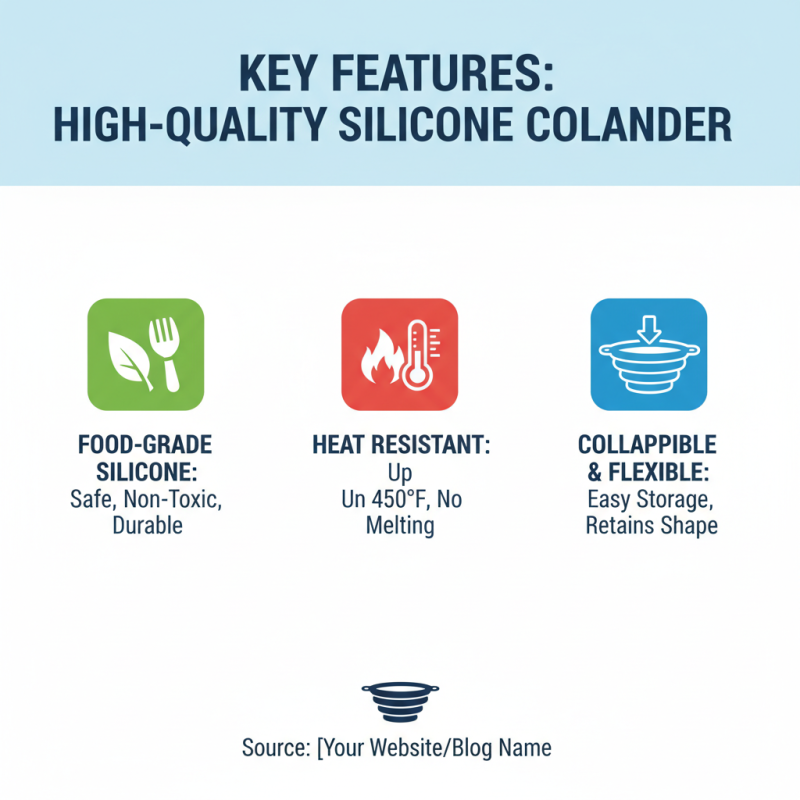
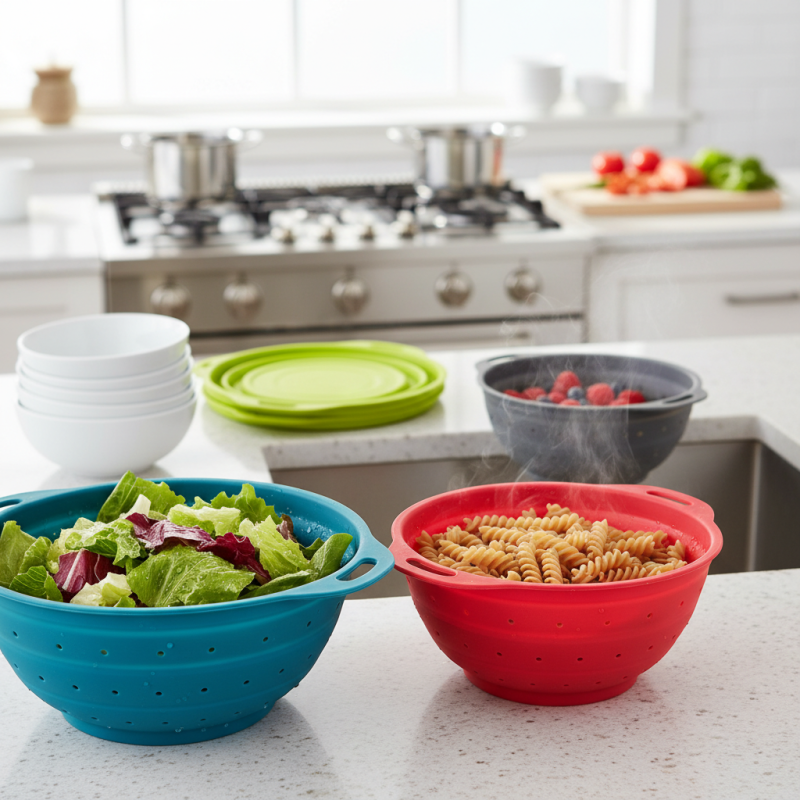
Silicone colanders have gained popularity among home cooks for several reasons. Their flexibility makes them easy to store, even in small kitchens. Unlike traditional colanders, they won’t rust or corrode. This durability is beneficial in a busy cooking environment. They can handle both hot and cold foods without compromising their shape. Additionally, silicone colanders are often dishwasher safe, which simplifies cleanup.
One might wonder about their stability. Some silicone colanders can tilt or collapse when filled. Choosing a colander with a sturdy design can address this concern. Opting for one with non-slip handles adds to the safety while draining. It’s essential to examine the size and capacity to meet your cooking needs. Consider how often you cook pasta or wash fruits and vegetables. The right size can make a difference in efficiency.
Understanding material safety is also crucial. Silicone is generally considered safe for food use. However, checking for certifications can enhance your peace of mind. Not all silicone products are created equally. Some may contain fillers that affect their overall performance. Always seek out reliable sources to ensure you make informed choices.
Benefits of Silicone Colanders in Cooking
Comparing Different Sizes and Designs of Silicone Colanders
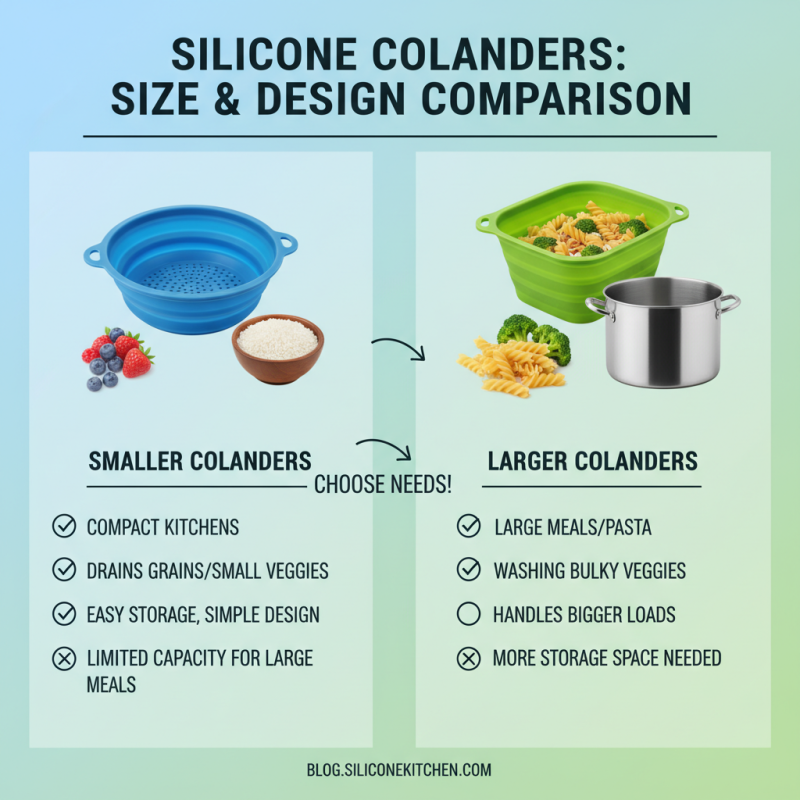
When selecting a silicone colander, size and design play crucial roles. Smaller colanders fit snugly in compact kitchens, making them ideal for draining grains or rinsing small amounts of vegetables. These colanders are easier to store and often have a simple design. They typically handle tasks like straining pasta or washing berries efficiently. However, their limited capacity might require multiple uses for larger meals, which can be inconvenient.
On the other hand, larger silicone colanders offer more versatility. They provide ample space for draining bulky ingredients like spaghetti or salads. Many designs feature wider bases for stability, preventing spills while working. Some colanders include handles for easy pouring, but their cumbersome size can be a drawback in smaller kitchens. For instance, attempting to store a large colander in a crowded cabinet can lead to clutter.
Design matters as well. Some colanders have unique shapes or tailored drainage holes, which contribute to their effectiveness. Opting for a design with good drainage ensures that no food particles are left behind. Users often overlook how aesthetics blend with function. A visually appealing colander can enhance cooking experiences but should not compromise utility. A balance of form and function is sometimes tricky to achieve.
How to Properly Clean and Maintain Your Silicone Colander
Cleaning and maintaining your silicone colander is essential for its longevity. This kitchen tool can get stained or retain odors if not cared for properly. Start with warm, soapy water. A gentle sponge helps to remove built-up residue without damaging the silicone. Rinse thoroughly and air dry to prevent mold growth.
Tips: Consider using a baking soda paste for tough stains. Mix baking soda with a bit of water, apply it to the stain, and scrub gently. For persistent odors, a vinegar soak can do wonders. Just fill the colander with equal parts water and vinegar. Let it sit for a few minutes, then rinse well.
It's important to inspect your colander regularly. Any visible wear or discoloration could indicate it's time for a replacement. Avoid using harsh chemicals or abrasive scrubbers, as these can compromise the material. Embrace the potential for imperfection; sometimes, a bit of wear tells the story of good cooking. Paying attention to these details leads to better future experiences in the kitchen.
Top Brands and Recommendations for Silicone Colanders in 2026
When selecting a silicone colander, consider both functionality and design. Many options are available in various colors and shapes, catering to different cooking styles. A standout feature is the heat resistance of silicone. This allows for safer draining of hot pasta or vegetables.
Popular recommendations often focus on ease of storage. Collapsible designs are great for small kitchens. Look for colanders that hold their shape well yet fold neatly when not in use. Certain styles offer integrated handles, making them easier to grip.
However, not every product is perfect. Some users report durability issues. Over time, the silicone may warp or lose its shape. It's crucial to read reviews carefully. Consider aspects like material thickness and customer feedback on performance. A little research can go a long way in ensuring the right choice for your culinary needs.
2026 How to Choose the Best Silicone Colander for Cooking - Top Brands and Recommendations for Silicone Colanders in 2026
| Feature |
Rating (out of 5) |
Material Quality |
Price Range |
Available Colors |
| Heat Resistance |
4.8 |
High-grade Silicone |
$15 - $30 |
Red, Blue, Green |
| Draining Efficiency |
4.5 |
Premium Silicone |
$20 - $40 |
Black, White, Gray |
| Size Options |
4.6 |
Food-Grade Silicone |
$12 - $25 |
Yellow, Orange, Pink |
| Ease of Cleaning |
4.7 |
BPA-Free Silicone |
$18 - $35 |
Purple, Teal, Brown |
| Durability |
4.9 |
Reinforced Silicone |
$16 - $28 |
Various Mix |