2026 How to Choose the Best Over The Sink Colander?
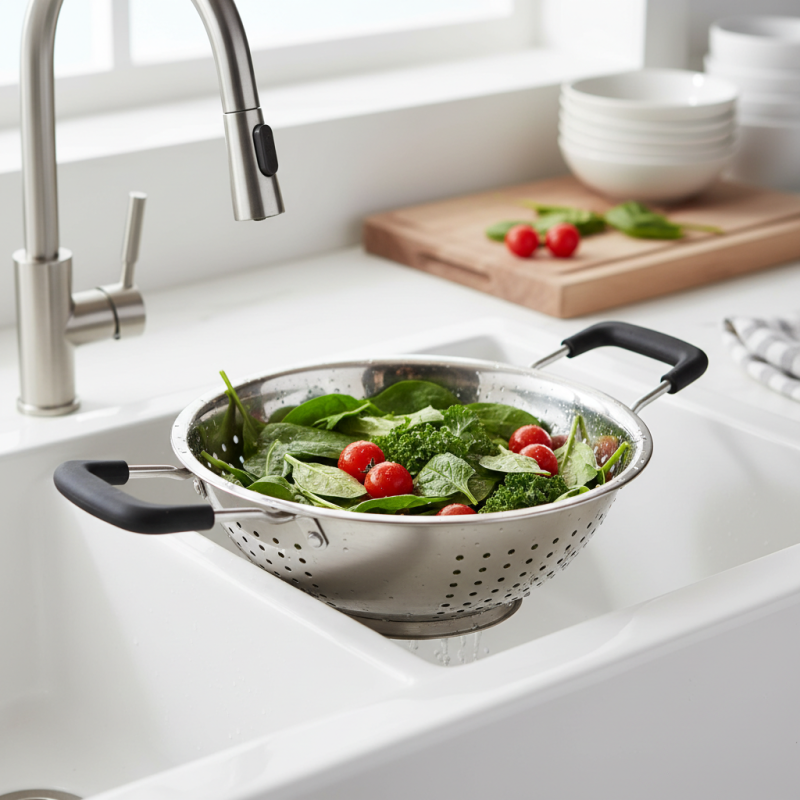
Choosing the right over The Sink Colander can greatly enhance your kitchen experience. This essential tool allows for efficient rinsing and draining of food right above the sink. With various designs available, it's crucial to find one that suits your needs.
Consider factors like size, material, and functionality. A colander that fits comfortably over your sink can save valuable counter space. However, not every over The Sink Colander is created equal. Some may wobble or slide, causing frustration during meal prep.
Evaluate what features matter most to you. Do you need a sturdy grip or adjustable arms? Visualizing how the colander will fit in your kitchen will help. The best choice is one that eases your cooking process. Don’t rush this decision; taking your time could lead to a more satisfying purchase.
Understanding the Importance of an Over The Sink Colander
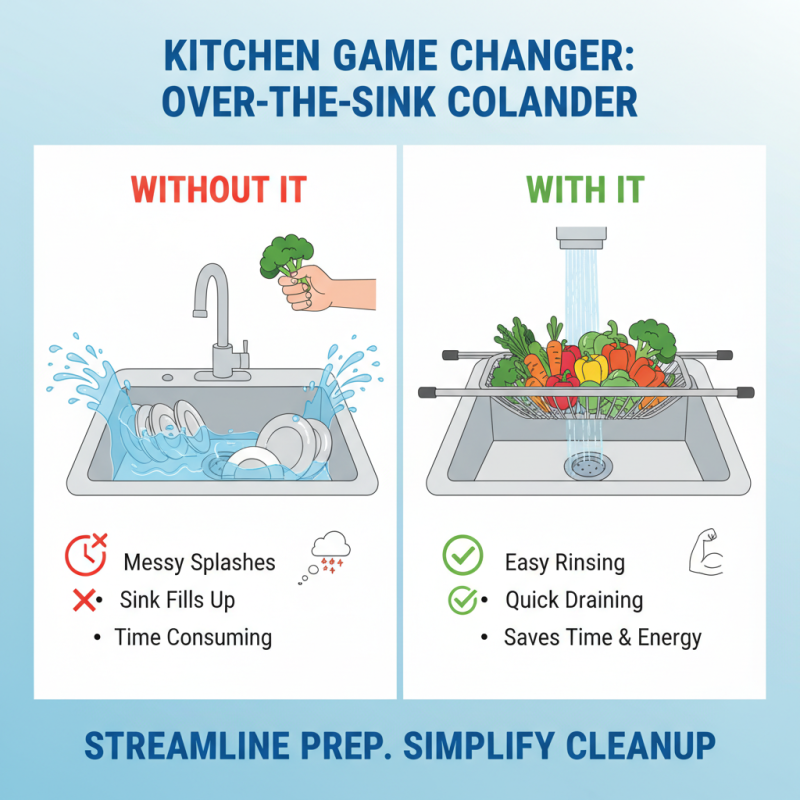
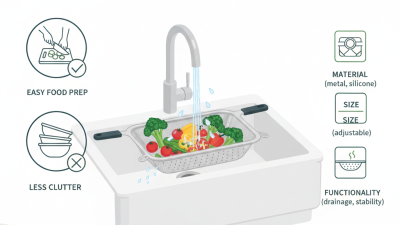
An over-the-sink colander is a surprisingly vital kitchen tool. It helps streamline food preparation and simplifies cleanup. Without it, washing vegetables can become a messy ordeal. Water splashes everywhere. The sink fills up, making the task feel daunting. With a colander, you can wash and drain with ease, saving time and energy.
Consider the materials. Stainless steel is durable and easy to clean. Plastic models are lighter but can wear out more quickly. Each option has its pros and cons. Choosing the right size is also crucial. If it’s too small, food could overflow. Too large, and it might take up valuable counter space. Reflect on how often you cook. A larger colander might be useful for big meals but impractical for smaller portions.
Lastly, think about storage. Some colanders fold or collapse. Others take up more room. Evaluate your kitchen layout. An ideal colander enhances your workflow, making cooking enjoyable. Choosing the right one requires consideration of your habits and space.
Key Materials and Construction Features to Look For
When selecting an over-the-sink colander, the materials used and construction features play a crucial role.
Stainless steel is a popular choice for its durability and resistance to rust.
It withstands daily use and can handle heavy loads without bending.
Plastic options may be lighter and more affordable, but they often lack the same longevity.
Consider the heat resistance of the materials. Some plastic colanders can warp when exposed to hot water.
Look for construction features that enhance usability. A colander with fine holes is ideal for draining small foods like rice or quinoa.
Large holes may suffice for pasta or vegetables, but they can allow smaller pieces to slip through.
A sturdy handle is essential as well. It can prevent slips and spills when transferring food. Stability matters, too; some colanders have rubberized bases for a non-slip grip.
The design also affects function.
Adjustable sizes enable fitting on various sink types, providing flexibility.
However, a design that is too complex might complicate storage.
Prioritize easy-to-clean designs, as hygiene is essential in the kitchen.
Finally, think about weight; a colander that's too light may be inconvenient.
Balancing these features will guide you toward the perfect choice.
Sizing and Compatibility with Your Sink: What You Need to Know
Choosing the right over the sink colander is essential. You should start with sizing. Measure your sink’s width and depth. The colander must fit securely without wobbling. If it’s too small, it may slip. If it’s too large, it might not sit well. Accurate measurements can save a lot of hassle.
Compatibility is crucial. Some sinks have unique designs. For example, farmhouse sinks can be deeper. You might need a special colander that accommodates this shape. Pay attention to the dimensions listed. Additionally, consider the materials. Stainless steel might suit a modern kitchen, while silicone may offer flexibility. Reflect on your kitchen style before making a choice.
Accessibility also matters. A colander that is too high can be hard to maneuver. Look for options that provide easy access to rinse vegetables or drain pasta. Think about placement, too. A well-placed colander can streamline your cooking process. Address these aspects to enhance your kitchen experience.
Over The Sink Colander Size Compatibility Chart
This chart represents the compatibility of over the sink colanders based on different sink sizes. The data shows the number of colanders that fit each size category, highlighting that medium and large sinks have the most options available.
Design Considerations for Efficient and Comfortable Use
Choosing an over-the-sink colander involves more than just size. You need to think about design features. Look for a model that can fit securely over your sink. A stable fit prevents any accidental spills while rinsing fruits or vegetables.
Consider the material too. Some colanders are lightweight, making them easy to handle. Others are sturdier, providing more durability. Check the hole size. Larger holes allow quick drainage but may let small items slip through. A balanced design enhances comfort during use. This is key when washing a big batch of greens.
**Tips:** When selecting, test how it feels. Can you grip it easily? Is it too heavy for extended use? Don't rush the decision. A colander that's too high may strain your back. A low profile offers more comfort, but it must fit your sink size.
Maintenance Tips for Longevity and Performance of Your Colander
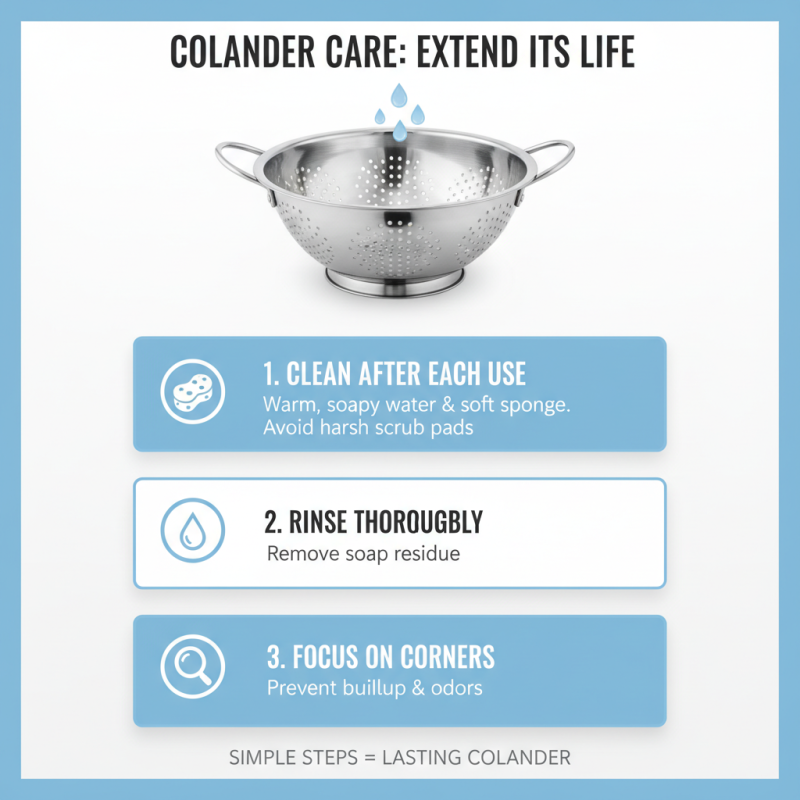
Proper maintenance is crucial for extending the life of your over-the-sink colander. Cleaning it after each use is important. Use warm, soapy water and a soft sponge to avoid scratching. Rinse thoroughly to eliminate soap residues. Avoid harsh scrubbing pads. They can damage your colander's surface. Pay attention to the corners where food particles may hide. This simple step can prevent buildup and odors.
Store your colander in a dry place to prevent rust and corrosion. Group it with other kitchen tools, but avoid overcrowding. This can lead to scratches and dents. Consider regularly inspecting for any signs of wear. Small damages may become bigger problems if ignored. If you notice any, take a moment to reflect on your usage habits. Maybe you've been too rough during cleaning or storage.
Keep it away from extreme temperatures. Heat can warp some materials, while freezing may crack others. If you use it for hot foods, let it cool slightly first. Constant exposure can weaken its structure over time. Embracing these maintenance tips can ensure your colander remains reliable for years to come. With a little care, you can enjoy its convenience while minimizing the risks for future use.