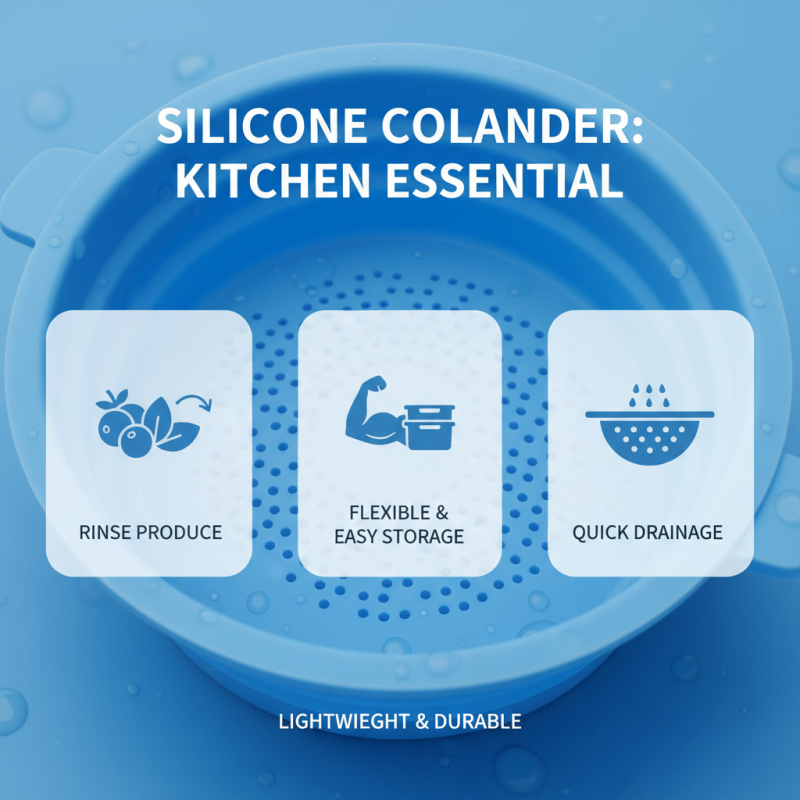
What is a Silicone Colander and How to Use It?
In recent years, the kitchenware industry has seen a remarkable rise in the popularity of the silicone colander. According to a report by Market Research Future, the global kitchenware market is expected to grow by 4% annually. This growth is largely driven by the increasing demand for versatile and durable kitchen tools like silicone colanders.
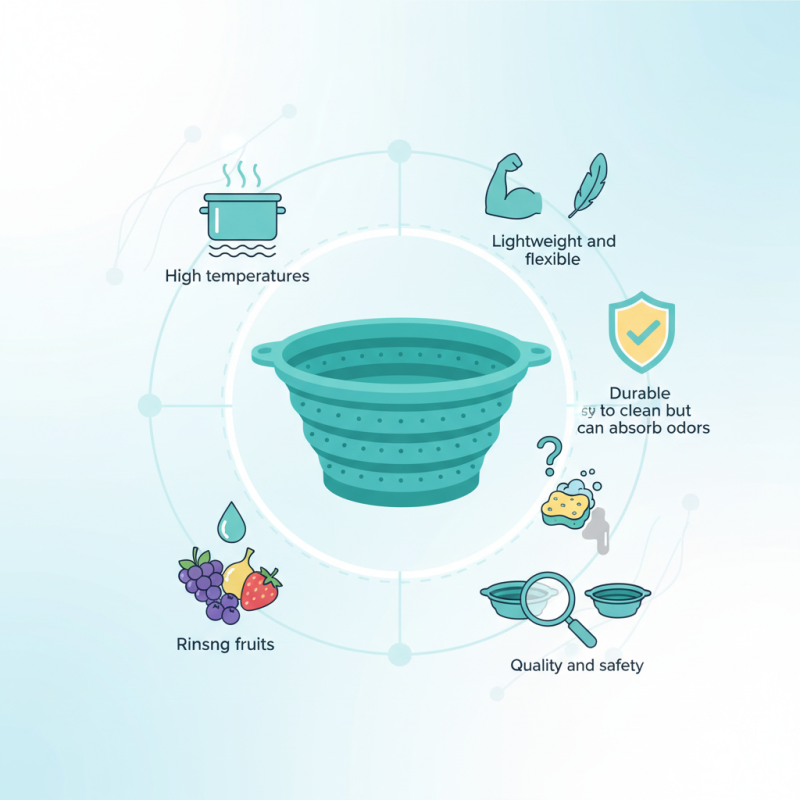
Expert chef Emma Rodriguez emphasizes the significance of this tool, stating, "A silicone colander is not just functional; it enhances your cooking experience." Silicone colanders are lightweight, flexible, and can withstand high temperatures. They are perfect for draining pasta or rinsing fruits, making them an essential item for home cooks.
However, there are challenges to consider. While silicone colanders are generally easy to clean, they can absorb some odors and stains over time. Not every silicone colander is made equal, and consumers must prioritize quality and safety. Understanding these aspects helps maximize their utility while ensuring your kitchen remains safe and efficient.
What is a Silicone Colander?
A silicone colander is a kitchen tool designed for draining liquids from foods like pasta, fruits, and vegetables. Its flexibility makes it unique. Unlike traditional colanders, silicone colanders can be folded or squished to fit in small spaces. This adaptability is particularly useful for those with limited kitchen storage.
The material itself is heat-resistant and durable. According to industry reports, silicone kitchenware market growth is expected to reach $1.27 billion by 2026. Many consumers prefer silicone for its convenience and ease of cleaning. The non-stick surface makes food release effortless. However, not all silicone products are created equal. Some may contain fillers that affect performance. It’s essential to choose high-quality silicone items to ensure safety and efficiency.
Using a silicone colander isn’t complicated, but it can present challenges. Some users find it tricky to balance when draining heavy items. Others struggle with pouring liquid out without spilling. Learning to use it effectively takes practice. Proper rinsing and drying are necessary to maintain its longevity. With some attention to care, a silicone colander can serve as a valuable addition to your kitchen toolkit.
Benefits of Using a Silicone Colander
Silicone colanders are becoming widely popular in kitchens. They are flexible, lightweight, and made from food-grade silicone. This material makes them heat-resistant and easy to clean. One significant benefit is their ability to collapse for easy storage. No more bulky colanders taking up space in your cabinets.
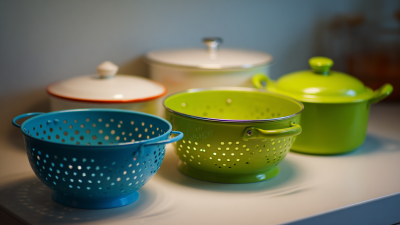
Using a silicone colander also elevates meal prep. The holes allow for efficient draining of pasta, fruits, and vegetables. Unlike plastic, silicone doesn’t retain odors or stain, so your food remains fresh. They can go from boiling water to the sink without any hassle. Plus, the vibrant colors can brighten up your kitchen.
However, not all silicone colanders are created equal. Some might not hold their shape under heavy loads. It can be frustrating to watch your freshly drained pasta tumble out. It’s essential to check the quality before purchasing. Take time to examine features like stability and drainage efficiency. Choosing the right silicone colander can enhance your cooking experience greatly.
How to Use a Silicone Colander Effectively
Using a silicone colander can make meal prep easier and more efficient. When you have pasta or vegetables to drain, simply place your food into the colander. Avoid filling it to the brim. This could risk spills and make draining difficult. A little at a time helps maintain balance and maximizes drainage.
To use a silicone colander effectively, hold it securely. It may slip if you're not careful. Be cautious with hot foods. The silicone can withstand heat, but your hands might not. Consider using oven mitts if the food is steamy. Rinse your fruits and veggies quickly in the colander for optimal freshness. The flexibility of silicone helps remove residue easily.
Silicone colanders are also great for quick storage. They compress down easily, fitting into tight spaces. However, they can collect dirt and grime in the folds. Ensure a thorough cleaning after each use. This can feel tedious but is essential for food safety. Making this a habit is worth the effort.
What is a Silicone Colander and How to Use It? - How to Use a Silicone Colander Effectively
| Feature |
Description |
| Material |
Flexible, durable silicone that is heat-resistant. |
| Size Options |
Available in various sizes ranging from small to large, accommodating different needs. |
| Design |
Collapsible and lightweight, making it easy to store and transport. |
| Usage |
Ideal for draining pasta, rinsing fruits and vegetables, and steaming foods. |
| Maintenance |
Dishwasher safe and easy to clean, can also be washed by hand. |
| Safety |
BPA-free and FDA-approved materials ensure food safety. |
| Heat Resistance |
Can withstand temperatures up to 450°F (232°C). |
| Storage |
Easily folds down for compact storage in drawers or cabinets. |
Tips for Cleaning and Maintaining Your Silicone Colander
Cleaning and maintaining your silicone colander is essential for longevity and hygiene. Silicone is naturally resistant to stains and odors, making it a preferred choice for many kitchen tasks. However, it does require some care to keep it in optimal condition. According to industry reports, silicone kitchenware can last up to ten years with proper maintenance, but improper care may shorten its lifespan.
After each use, rinse your colander with warm water immediately. This simple step minimizes food residue buildup. For tougher stains, a mixture of baking soda and vinegar works wonders. Apply it to the stained area, let it sit for a few minutes, and then scrub gently. Avoid harsh chemicals; they can break down the silicone over time. Ensure your colander is dishwasher safe before using this method. Heat can affect the integrity of the material, so always check the manufacturer's guidelines.
Finally, storing your silicone colander correctly is crucial. Avoid placing heavy items on top of it to prevent warping. Some users tend to fold or crush the colander during storage. This can lead to structural damage and reduce its effectiveness. Regularly inspect your colander for tears or deformities. Addressing small issues early can lengthen its usability significantly.
Common Uses for a Silicone Colander in the Kitchen
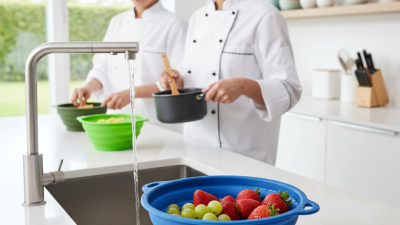
A silicone colander is a versatile tool in the kitchen. It's lightweight, flexible, and easy to store. You can use it to rinse fruits and vegetables. Just place the produce inside and run it under water. The small holes allow debris to wash away, leaving clean food.
Another common use is pasta draining. After boiling, simply pour the pasta into the colander. The silicone design means it won’t slip from your hands. However, be cautious when handling hot items. It can be a bit tricky, and burns are possible.
Silicone colanders are also great for steaming vegetables. Place them in a pot with a little water and cover. It’s a simple way to keep nutrients intact. However, make sure the colander fits well in the pot. Otherwise, you may end up with a messy situation. While they are convenient, they don't always hold up to heavy weights. So, consider that before using them for larger items.