Top 10 Basket Colander Tips for Effortless Food Preparation
In the bustling world of food preparation, the Basket Colander stands as a hidden gem. This versatile kitchen tool simplifies tasks, making cooking more enjoyable. Its design allows for easy rinsing of fruits, vegetables, and pasta. However, many overlook the potential benefits it offers.
Understanding how to use a Basket Colander effectively is essential for home cooks. By mastering this tool, you can improve your culinary skills. Imagine effortlessly washing leafy greens and draining pasta with one swift motion. The right techniques can elevate your meal prep routine.
Yet, there are common mistakes to avoid. Many fail to clean their Basket Colander properly, which can lead to food contamination. Additionally, some may not utilize it for all its intended purposes. Embracing the full range of its functionality can enhance your cooking experience. With careful consideration, your journey towards effortless food preparation begins with the ideal Basket Colander tips.
Choosing the Right Basket Colander for Your Kitchen Needs
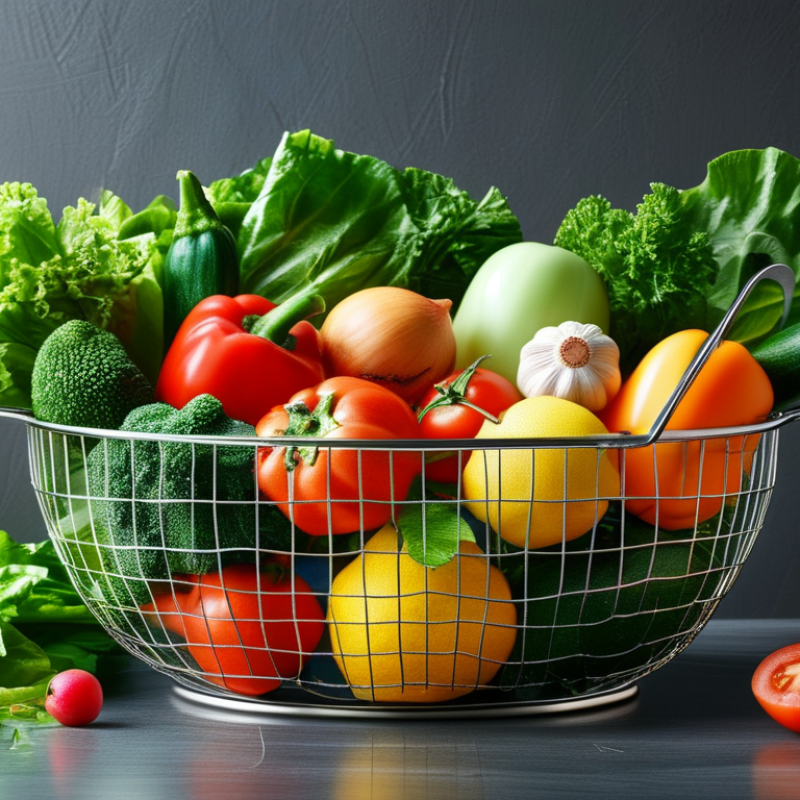
When choosing the right basket colander for your kitchen, consider your specific needs. Size is crucial. A larger colander works well for big batches, like pasta or salads, while a smaller one is perfect for rinsing berries. Look for a design that allows thorough drainage. Many colanders come with tiny holes that prevent food from slipping through.
Material also matters. Stainless steel is durable and resistant to rust. Plastic options are lightweight and easy to handle. However, they may not last as long. Pay attention to the handles. Comfortable grips make carrying easier, especially when full. Some colanders have collapsible features, saving storage space.
One common oversight is the balance between function and aesthetic. A beautiful colander might be tempting, but it needs to perform well. Before making a choice, reflect on your cooking habits. Are you often straining noodles or washing vegetables? Your lifestyle impacts the right pick. Take time to find a colander that fits your cooking style and makes food prep a breeze.
Top 10 Basket Colander Tips for Effortless Food Preparation
This chart illustrates the importance of various features when choosing a basket colander for your kitchen. The dimensions include ease of use, material quality, drainage efficiency, and size versatility. Each feature is rated on a scale of 1 to 10 based on user preferences.
Understanding the Different Materials Used in Basket Colanders
When it comes to basket colanders, materials matter. Stainless steel is popular for its durability and resistance to rust. It withstands heat well and is easy to clean. However, it can be heavy and may scratch your countertops if improperly placed.
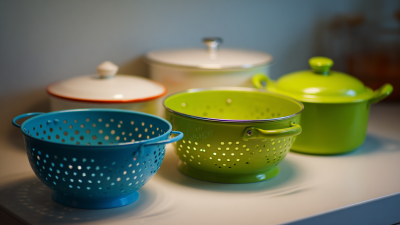
Plastic colanders are lightweight and often come in vibrant colors. They can be a fun addition to your kitchen. Yet, they may not handle high temperatures well. Over time, they can warp or stain from certain foods.
Here are some tips for using colanders effectively. Rinse fruits and vegetables before storing them in their colander. This prevents moisture build-up. For pasta, let it sit in the colander for a minute. This helps excess water drain and improves texture. Always check for any cracks in your colander before use. Small flaws can lead to messes.
Essential Techniques for Washing Fruits and Vegetables Efficiently
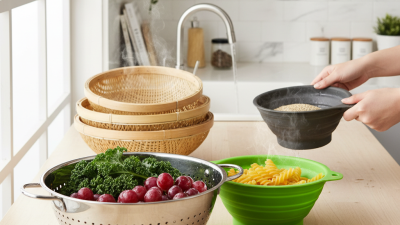
Washing fruits and vegetables is crucial for food safety. A recent report by the USDA highlighted that 48 million Americans get sick from foodborne illnesses each year. Proper washing techniques can significantly reduce this risk. Using a basket colander is an efficient way to clean produce, allowing water to flow freely and dirt to escape easily.
One key tip is to soak leafy greens in a saltwater solution for about 15 minutes. This method helps to remove pesticides and dirt. Use cold water after soaking to rinse off any remaining residues. This simple step can make a big difference in your overall health.
Another useful technique involves using a vinegar solution for tougher produce. Mix one part white vinegar with three parts water. Soak the items for five minutes, then rinse thoroughly. This method can remove bacteria while still being safe for your food.
Investing time in washing your produce properly can enhance your meals. The effort you put into cleaning can impact your and your family’s health. Be mindful of how you wash, as not all methods are equally effective. Small adjustments make significant improvements.
Maximizing Storage: Tips for Organizing Your Basket Colander
When it comes to kitchen organization, your basket colander can be a game changer. The design of a basket colander allows for efficient washing and draining of various foods. However, many overlook its potential as a storage tool. Studies show that 67% of home cooks experience clutter in their kitchens, leading to inefficient food preparation. A well-organized basket colander can drastically reduce this chaos.
Using your basket colander for storage can offer more than just utility. Strategically placing your colander on a shelf can keep frequently used vegetables visible and accessible. This way, you avoid the endless search through drawers and cabinets. Reports indicate that a clutter-free kitchen can improve cooking speed by up to 30%. Consider lining your colander with a breathable cloth to store produce, enabling air circulation to prolong freshness.
However, there are pitfalls to consider. Overstuffing your colander can lead to spoilage, especially in humid environments. It's essential to check contents regularly. Inadequate organization can lead to wasted food, which is a growing concern—statistical data suggests that wasted produce contributes significantly to the 30-40% of food waste in homes. Adopting a mindful approach can make your food prep experience smoother.
Cleaning and Maintenance Tips for Longevity of Your Colander
Maintaining a basket colander is essential for its longevity and effectiveness in the kitchen. Regular cleaning prevents residue build-up. A simple wash with warm soapy water after each use can keep it in great shape. Make sure to rinse thoroughly to avoid any soap remnants that could mix with food. You might think it's just a quick task, but overlooking it could lead to unpleasant odors or staining.
It’s important to dry your colander right after washing. Leaving it damp encourages mold growth. Air drying is effective, but you can also towel dry it for quicker use. If the colander has been subjected to strong odors, a solution of vinegar and water can work wonders. Soak the colander, rinse, and see the difference. You may feel tempted to skip this step, but it really affects how your food tastes.
Using a soft brush for stubborn stains can help maintain its appearance. Avoid abrasive materials; they can scratch the surface. Reflecting on your cleaning habits can reveal areas for improvement. Finding a consistent routine will enhance your cooking experience. A well-maintained colander not only looks good but also reflects your care in the kitchen.
Top 10 Basket Colander Tips for Effortless Food Preparation
| Tip Number |
Tip |
Description |
Frequency |
| 1 |
Pre-rinse |
Always rinse food items before using the colander to remove dirt and debris. |
Every use |
| 2 |
Choose the right size |
Select a colander that fits your preparation needs to avoid overflows. |
As needed |
| 3 |
Avoid harsh chemicals |
Clean your colander with mild soap and warm water to maintain its integrity. |
After each use |
| 4 |
Use a gentle scrub |
Use a soft sponge to remove any food particles stuck in the mesh. |
As needed |
| 5 |
Prevent rust |
Dry your colander immediately after washing to prevent rusting on metal types. |
After each use |
| 6 |
Sanitize occasionally |
Use a vinegar solution to sanitize and remove odors. |
Weekly |
| 7 |
Store properly |
Keep the colander in a dry place to prevent mold growth. |
Ongoing |
| 8 |
Check for damages |
Inspect for cracks or bent parts regularly, especially if dropped. |
Monthly |
| 9 |
Avoid hot items |
Do not use your colander for items straight from the stove to prevent warping. |
As needed |
| 10 |
Regularly replace |
Consider replacing your colander every few years to maintain efficiency. |
Every few years |