Welcome to this website!

Leave Your Message

Why Use a Food Strainer for Better Cooking Results?

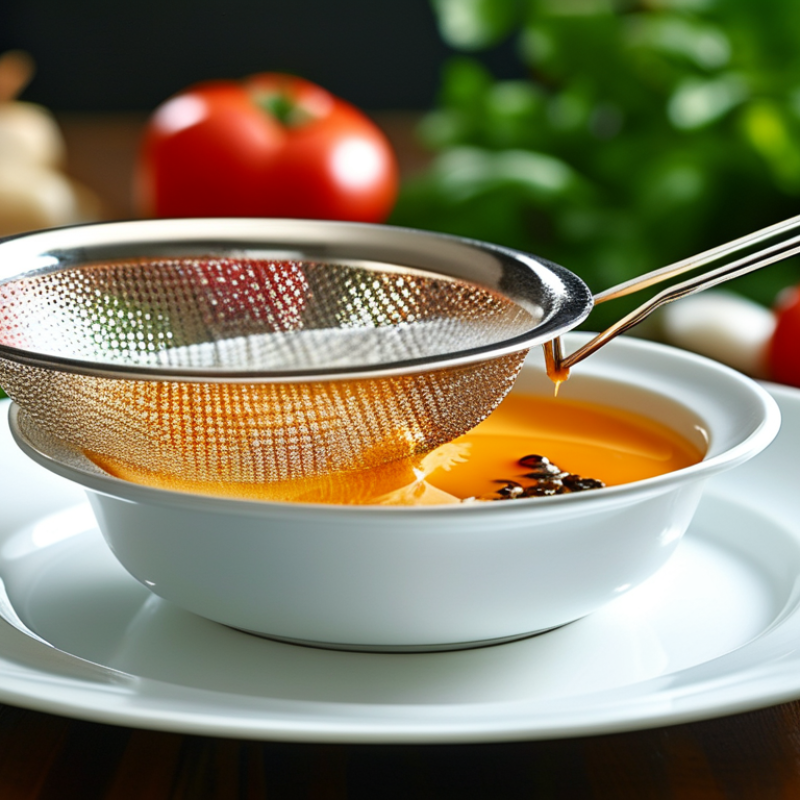
A Food Strainer can quietly improve everyday cooking by controlling texture, clarity, and consistency. From my kitchen experience, straining tomato sauce removes tough skins and seeds without sacrificing its fresh flavor. It also helps create smoother soups, clearer broths, and lighter fruit purées. Small details matter.

Professional cooks use strainers because they offer more control than pouring ingredients through a basic colander. Fine mesh can catch pepper flakes, herb stems, flour lumps, and unwanted particles. A sturdy handle and stable resting edge make the process safer and less messy. When preparing custard, I have found that straining it before chilling removes small egg fragments that would otherwise affect its silky finish. The result feels more deliberate.

Still, a Food Strainer is not a magic solution. An overly fine mesh may slow preparation or trap useful pulp. A weak frame can bend under thick sauces. Cleaning can also become frustrating when seeds lodge in the mesh. These limitations deserve attention before choosing a model. The best option depends on portion size, ingredient texture, and cooking frequency. This guide examines those practical differences and explains how proper straining can support better results without adding unnecessary complexity. Reliable cooking comes from repeatable methods, not expensive tools alone. A strainer helps, but technique remains important. When used thoughtfully, it becomes a simple bridge between rough ingredients and polished dishes.
Why Use a Food Strainer for Better Cooking Results?

What Is a Food Strainer and How Does It Work?

A food strainer is a kitchen tool that separates solids from liquids or removes unwanted particles. It usually has a bowl, handle, and perforated surface. The openings may be wide for pasta or very fine for sauces, tea, and purées. Size matters more than many cooks expect.

Its operation is simple. Gravity pulls liquid through the holes while larger food pieces remain above the mesh. For mashed vegetables, a cook can press the food gently with a spoon or scraper. This creates a smoother texture by breaking soft pieces into smaller particles. A fine strainer can also catch tomato seeds, herb stems, or small lumps in gravy.

In my kitchen, I hold the strainer over a stable bowl before pouring. A loose grip can cause spills, especially with hot broth. I also avoid filling it too quickly, because liquid may overflow around the rim. Rinsing the mesh immediately prevents starch and sauce from drying between the openings. A brush helps clean narrow spaces, although I sometimes underestimate how much residue remains underneath the rim. That oversight can affect flavor and hygiene. The tool does not improve every dish; some soups benefit from their natural texture. Choosing the right opening and using gentle pressure usually produces more consistent results.

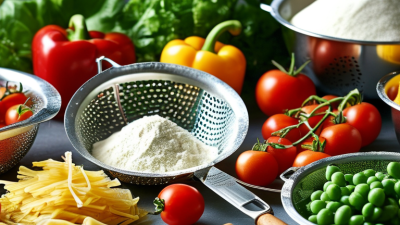
How Straining Improves Food Texture and Cooking Consistency

Why Use a Food Strainer for Better Cooking Results?

A food strainer can make texture more predictable. It removes seeds, fibers, lumps, and excess liquid from prepared ingredients. When I strain tomato sauce, the result feels smoother and cooks more evenly. A fine mesh also helps create silky soups, clear broths, and lighter fruit purées. This matters because uneven particles heat at different speeds. Large pieces may remain firm while smaller pieces become overcooked. Straining cannot fix every recipe, though. I once strained a sauce too aggressively and removed useful flavor.

Texture is only part of the benefit. Straining also improves cooking consistency from one batch to another. Removing excess water can help sauces thicken at a steadier rate. Drained yogurt, mashed vegetables, and soaked grains can also produce more reliable results. Professional kitchens often use measured straining methods because repeatable preparation supports accurate seasoning and timing. At home, the same principle works with simple tools. Watch the liquid.

Tips: Choose mesh size carefully. Use fine mesh for sauces and coarse mesh for vegetables. Press soft foods gently, not forcefully. Scraping too hard can push bitter skins or gritty fibers through. Let hot liquids cool slightly before straining, and secure the strainer over a stable bowl. I sometimes keep a little unstrained mixture nearby, because a perfectly smooth texture is not always the best one. Some dishes need character.

Key Uses of Food Strainers in Everyday Cooking

A food strainer is a small tool with several everyday uses. It removes excess water from rinsed rice, pasta, vegetables, and canned beans. Fine mesh strainers also separate seeds from berry sauces and pulp from fresh juice. This creates smoother textures without relying on extra oil or sugar. In my kitchen, straining homemade stock removes tiny bones, herbs, and cloudy particles. The result looks cleaner and tastes more balanced.

Strainers help with preparation, too. Flour passes through evenly, reducing dry lumps in cakes and sauces. Rinsing grains through a fine mesh can remove dust and loose starch. This often improves the final texture, although rinsing does not fix overcooking. A strainer can also rescue a lumpy gravy. Pour it slowly through the mesh, then press gently with a spoon. Do not force tough solids through.

Tips: Choose mesh size carefully. Large holes suit pasta, while fine mesh suits sauces and tea. Support the strainer over a stable bowl before pouring hot liquids. Steam can burn skin quickly, so pour slowly and keep your face away. I sometimes overfill mine, which causes spills and makes draining less effective. Smaller batches work better. Clean the mesh immediately, because dried starch can hide in its corners.

How to Choose the Right Food Strainer for Each Task

Choosing the right food strainer starts with the task, not the appearance. A wide-holed colander suits pasta, potatoes, and rinsed vegetables. A medium-mesh strainer works better for rice, seeds, and loose herbs. Fine mesh removes pulp, flour lumps, and small particles from sauces. My mistake was using one fine strainer for everything. It clogged quickly and slowed dinner.

Size matters more than many shoppers expect. USDA Economic Research Service research estimates that roughly 30% of the U.S. food supply was lost or wasted between 2010 and 2016. A strainer that drains efficiently can help protect usable food, especially soft berries, cooked grains, and small pasta. Choose a deep bowl for larger portions. Look for sturdy handles and a stable base. Small details matter.

Material affects safety and durability. Stainless steel handles heat well and resists staining. Food-grade silicone can protect delicate cookware, but it may flex under heavy ingredients. The FDA Food Code emphasizes cleanable, durable food-contact equipment and preventing cross-contamination. Choose a strainer with smooth seams and easy access around the rim. Dishwasher compatibility helps, although hand cleaning is sometimes more thorough. This is easy to overlook. Examine the mesh after washing. Bent wires can trap residue, and no strainer performs well when neglected.

Why Use a Food Strainer for Better Cooking Results?

How to Choose the Right Food Strainer for Each Task

A larger aperture is useful for draining pasta, rinsing vegetables, and removing large solids. Medium openings work well for sifting flour and straining sauces, while fine openings are better for filtering tea, removing seeds, and producing smoother purées. Aperture sizes are typical household ranges and can vary by strainer design.

Cleaning, Maintaining, and Using a Food Strainer Safely

Why Use a Food Strainer for Better Cooking Results?

A clean food strainer helps remove seeds, lumps, and excess water from ingredients. Rinse it immediately after use, especially after handling starch, dairy, or acidic sauces. Warm water loosens residue before it dries inside the mesh.

Use a soft brush and mild dish soap for detailed cleaning. Avoid sharp tools, which can stretch or tear the screen. Rinse it thoroughly. Dry it completely.

Inspect the strainer under bright light each week. Small gaps matter. Check the rim, handle, welds, and mesh for trapped food or rust-like spots.

A damaged strainer may shed particles or allow unwanted pieces into prepared food. If the mesh bends permanently, replace the item rather than forcing it back into shape.

I once ignored a loose rim and found dried sauce hiding beneath it. That mistake made later cleaning harder.

Use a stable bowl when straining hot liquids, and keep your hands away from rising steam. Hold the handle firmly, but do not overload the mesh with heavy food. Let liquids drain naturally instead of pressing aggressively.

This reduces splashing and protects the screen. When transferring boiling broth, work slowly and keep children away from the counter. Heat-resistant gloves can improve control, though they do not prevent every burn.

I still sometimes rush this step, which is exactly why I pause before lifting a full strainer.