What Is the Best Type of Plastic Container?
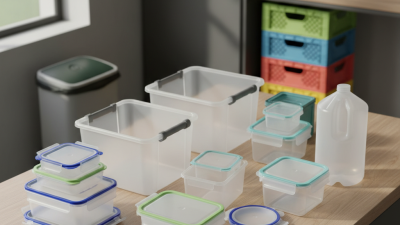
Choosing the best type of Plastic Containers depends on what they must protect, carry, and withstand. A clear PET bottle may suit chilled drinks, while a thick HDPE jug handles household liquids more reliably. PP containers often tolerate repeated heating better, but that does not make them suitable for every food or chemical product.
Packaging specialist Dr. Susan Selke offers a useful perspective: “Packaging is a system, not just a container.” Her point matters because material choice affects manufacturing, transport, storage, cleaning, and disposal. A container that looks sustainable may perform poorly if it cracks, leaks, or cannot be reused safely. That uncomfortable detail deserves attention.
This guide compares common plastics through practical evidence. It considers barrier performance, impact resistance, temperature tolerance, weight, closure design, and recycling potential. It also examines how container shape changes real-world handling. A wide opening helps cleaning, while a narrow neck can reduce spills. Small details matter.
There is no universal winner. A lightweight bottle may reduce shipping energy, yet a durable reusable tub could serve longer. The better choice depends on measured use, not attractive labels. Readers should check product specifications and conduct compatibility tests before large-scale purchasing. Even experienced buyers can overlook heat, sunlight, or repeated washing.
The goal is not to praise one resin. It is to identify the most suitable Plastic Containers for a specific application, with safety, performance, and resource efficiency considered together.
Plastic Container Materials and Their Key Properties
What Is the Best Type of Plastic Container?
Plastic Container Materials and Their Key Properties
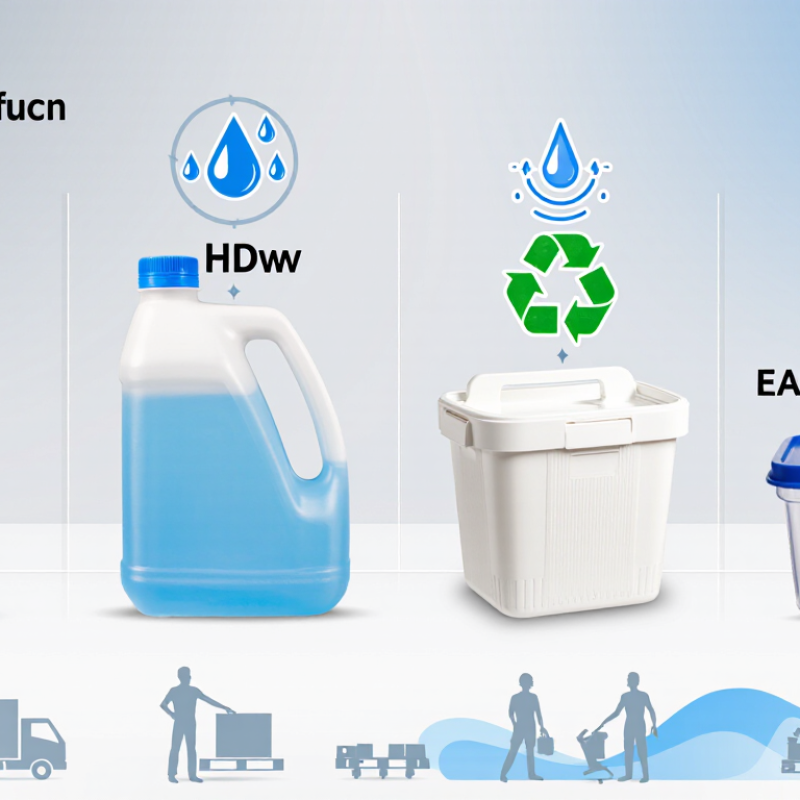
The best plastic container depends on temperature, contents, storage time, and handling conditions. Material choice matters more than appearance. PET is clear, lightweight, and offers good resistance to moisture and oxygen. It suits cold drinks, dry foods, and visible contents. HDPE is tougher and more resistant to many household chemicals. It works well for bottles, storage tubs, and outdoor use. PP tolerates higher temperatures than many common plastics. It is often chosen for reusable food containers, but heat limits still vary by design.
LDPE is soft and flexible. It suits squeeze bottles, flexible lids, and protective bags. Polycarbonate is strong and transparent, though some users avoid it when they prefer simpler material options. Container walls, closures, and seals also affect performance. A strong resin cannot fix a weak lid. I once focused too much on clarity and ignored grip. That was a practical mistake. No container is perfect.
Tips: Check the resin code and the intended-use label. Match the container with the food temperature. Avoid heating unless the instructions permit it. Inspect cloudy surfaces, cracks, and warped lids. Replace damaged containers promptly. For long storage, choose a tight seal and a material with suitable barrier properties. Hand washing may extend service life, although repeated heat exposure can still cause wear. Some containers look reusable but were designed for limited use. That detail is easy to miss.
What Is the Best Type of Plastic Container?
Plastic Container Materials and Their Key Properties
This chart compares the typical density of common plastic container materials. PET and PVC are generally denser, while HDPE, PP, and LDPE are lighter. Density alone does not determine the best material: PET is often selected for clarity and barrier performance, HDPE for chemical resistance, PP for higher heat resistance, LDPE for flexibility, and PS for rigidity. The best choice depends on the product, temperature, durability, and recycling requirements.
Values are typical material densities in grams per cubic centimeter and may vary by grade, additives, and manufacturing process.
How Plastic Types Differ in Safety, Durability, and Use
What Is the Best Type of Plastic Container?
How Plastic Types Differ in Safety, Durability, and Use
The best plastic depends on the job, not the number printed underneath. PET is clear, lightweight, and commonly used for cold drinks. HDPE feels tougher and resists many household chemicals. PP handles repeated use and moderate heat better than many other plastics. Still, “microwave-safe” depends on the container’s design, condition, and instructions. The resin alone cannot guarantee safety.
The U.S. Food and Drug Administration evaluates substances used in food-contact materials, including potential chemical migration. That assessment matters more than appearance. A scratched container may trap residue, even when the plastic remains structurally strong. I replace containers when they become cloudy, warped, or permanently odorous. It may be overly cautious, but heat and repeated washing can change performance.
Durability also has an environmental cost. The OECD’s Global Plastics Outlook reported about 353 million tonnes of plastic waste worldwide in 2019, while only 9% was recycled. A durable container can reduce replacement frequency, but only if people reuse it correctly. PET suits short-term, cold storage. HDPE works well for sturdy bottles and bulk storage. PP is practical for meal preparation, though extreme heat still deserves caution. Recycling codes identify material types; they are not safety grades. That distinction is easy to miss.
Environmental Factors in Selecting the Best Plastic Container
What Is the Best Type of Plastic Container?
Environmental Factors in Selecting the Best Plastic Container
The best plastic container depends on its full environmental life cycle, not only its material. Durable polypropylene and high-density polyethylene containers often tolerate repeated use, heat, and everyday impacts. A strong container can replace many thin, disposable ones over time. Look for clear resin identification codes, recycled content, and a design that uses minimal material. Avoid oversized containers with excessive lids, seals, or decorative layers. Those small features can make recycling more difficult. No container is perfect.
Tips: Choose a size you will actually reuse. Check local recycling instructions before buying. Wash residue away, but avoid wasting large amounts of hot water.
I once preferred the lightest container because it used less plastic. That choice was not always wise. Thin walls cracked quickly, and the container became waste after a few uses. A better assessment considers lifespan, repairability, and transport weight. Reusable containers should also be easy to clean, especially around corners and screw threads. For food storage, follow the manufacturer’s temperature guidance and inspect the container regularly. Cloudiness, deep scratches, warping, or a persistent odor may signal replacement is sensible. Recycling symbols can help, but they do not guarantee acceptance in every community. Local facilities, collection systems, and contamination rules matter. A practical choice balances repeated use with responsible disposal.