2026 Top Trends in Glass Containers for Sustainable Living?
In recent years, Glass Containers have emerged as a pivotal element in the drive for sustainable living. These containers not only provide a stylish alternative to plastic but also promote eco-friendliness. They are reusable, recyclable, and generally free from harmful chemicals. This aligns perfectly with the growing demand for sustainable products.
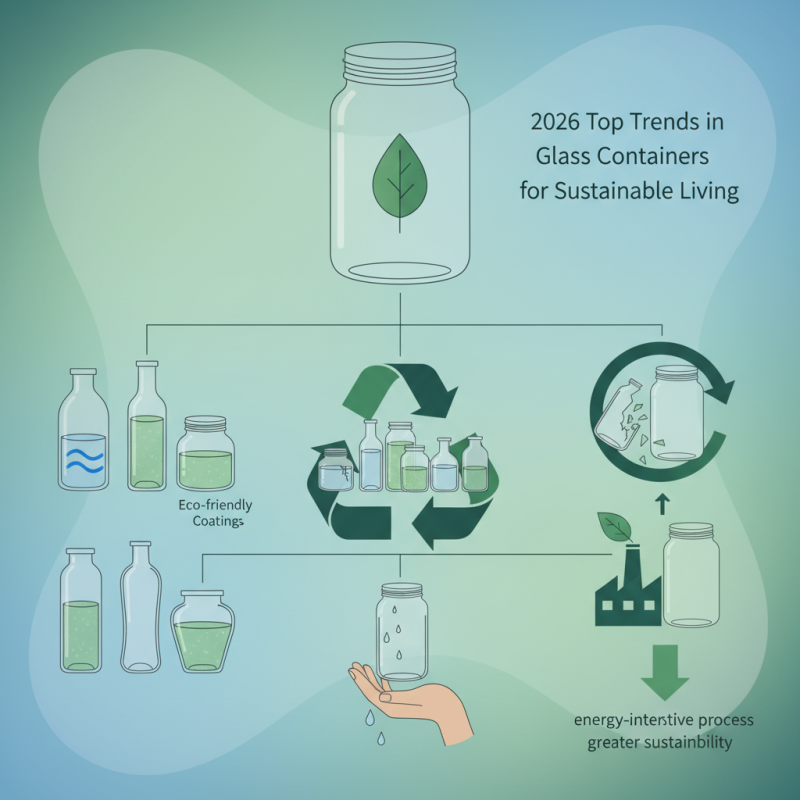
The 2026 trends in glass containers show promising innovations. Companies are embracing minimalistic designs and enhancing functionality. Many now feature airtight seals and eco-friendly coatings. These improvements reflect a deeper understanding of consumer needs. More people seek practical and sustainable solutions in their daily lives.
However, challenges remain. While glass containers are generally durable, they can break easily, creating waste. Additionally, the energy-intensive production process raises concerns. As we explore these trends, it’s crucial to continue pushing for improvements. Glass Containers can lead the way in responsible consumption, but we must always seek greater sustainability.
Emerging Materials and Innovations in Glass Container Design
The glass container industry is evolving rapidly, driven by the demand for sustainability. Emerging materials are reshaping designs, adding functionality while promoting eco-friendly practices. For instance, some companies explore biodegradable additives to enhance glass durability. These innovations help reduce waste and energy consumption.
New manufacturing techniques also play a crucial role. Some processes now use less heat, leading to a smaller carbon footprint. Creative designs focus on lighter, more efficient glass, making products easier to transport. These changes can attract consumers seeking responsible options.
Challenges remain. While innovations are promising, scalability often lags behind. Research and development require substantial investment and time. There's also the risk of compromising quality for sustainability. The industry must balance these demands to truly support sustainable living.
Recycling and Upcycling Strategies for Glass in Sustainability
The trend of recycling and upcycling glass containers heavily influences sustainable living in 2026. Glass is a recyclable material. Unlike plastics, it can be recycled endlessly without losing quality. This characteristic makes it a top choice for eco-conscious consumers.
Upcycling offers another layer of sustainability. People are turning old glass jars into stylish storage solutions or decorative items. Simple DIY projects transform used bottles into beautiful planters or candle holders. These creative endeavors reduce waste and spark joy in everyday life.
However, challenges remain. Not everyone knows how to properly recycle glass. Misplaced items in recycling bins can spoil entire batches. Additionally, while upcycling is trendy, not every project is functional or durable. It is crucial to assess quality and usability when repurposing glass. More educational initiatives could help spread awareness about effective recycling practices and innovative upcycling techniques. Understanding these elements is vital for enhancing our sustainable efforts with glass containers.
The Role of Glass Containers in Reducing Plastic Waste
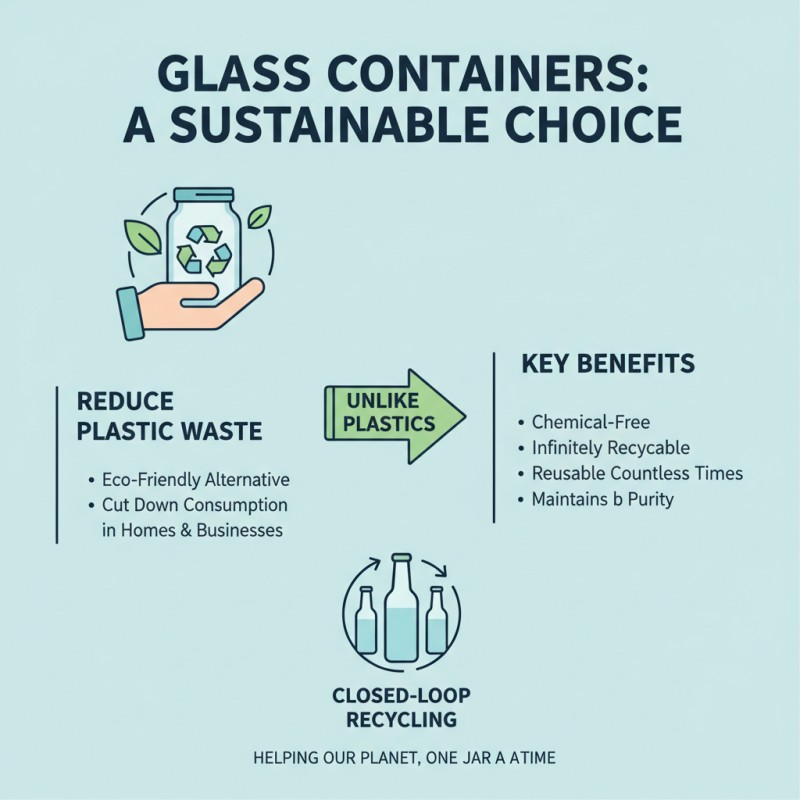
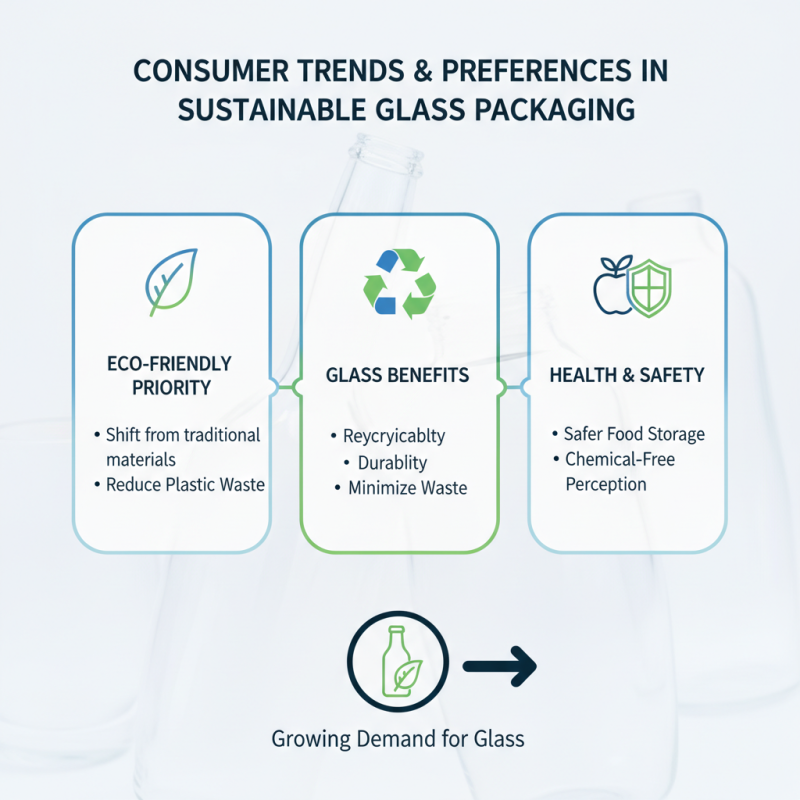
The growing awareness of environmental issues has put glass containers in the spotlight. They offer a sustainable alternative to plastic, helping to reduce waste. In homes and businesses, using glass can significantly cut down on plastic consumption. Unlike plastics, glass does not leach chemicals and is recyclable without losing quality. Each glass container can be reused countless times, which also adds to its appeal.
Tip: Choose glass containers for storage. They keep food fresh and are safe for reheating. Consider bulk purchasing to further minimize packaging waste. It’s a practical choice that reflects a commitment to sustainability.
Employing glass containers can be a challenge. They are heavier than plastic and can break easily. However, many people have found ways to adapt. Using sturdy glass jars for pantry organization can help. It may require some trial and error, but the results are rewarding, both aesthetically and environmentally.
Tip: Start small with glass containers. Gradually replace your plasticware with glass options. Over time, this will help create a more sustainable lifestyle. Each small change contributes to a larger impact.
Impact of Glass Containers on Food Preservation and Safety
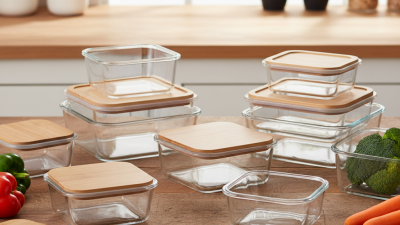
Glass containers are increasingly recognized for their role in food preservation and safety. Unlike plastic, glass does not leach harmful chemicals into food. This feature makes it a safer choice for storing various types of food, from fruits to sauces. The airtight seal of glass containers also helps keep food fresh longer. This is crucial in reducing food waste, an important aspect of sustainable living.
However, not all glass containers are created equal. Some may be made with additives that affect safety. Consumers must pay attention to this detail. Moreover, the weight and fragility of glass can make transportation challenging. People might hesitate to choose glass over lighter materials due to convenience. In contrast, promoting reusable glass containers can spark a conversation about their environmental impact.
The rising trend of using glass also prompts a reflection on consumer habits. Many still opt for single-use plastics out of habit. Breaking this cycle requires education on the benefits of glass. Awareness can inspire change and empower individuals to make sustainable choices. Embracing glass not only enhances food safety but also encourages a shift towards a healthier lifestyle.