Welcome to this website!

Leave Your Message

Top Colander Strainer Types for Every Kitchen

A Colander Strainer looks simple, yet its design affects draining speed, food safety, and daily comfort. Grand View Research identifies kitchenware as a growing consumer category, driven by home cooking, convenience, and durable products. Colanders are usually grouped within this wider market, rather than measured separately. That limitation matters. It prevents easy claims about one “best” design for every household.

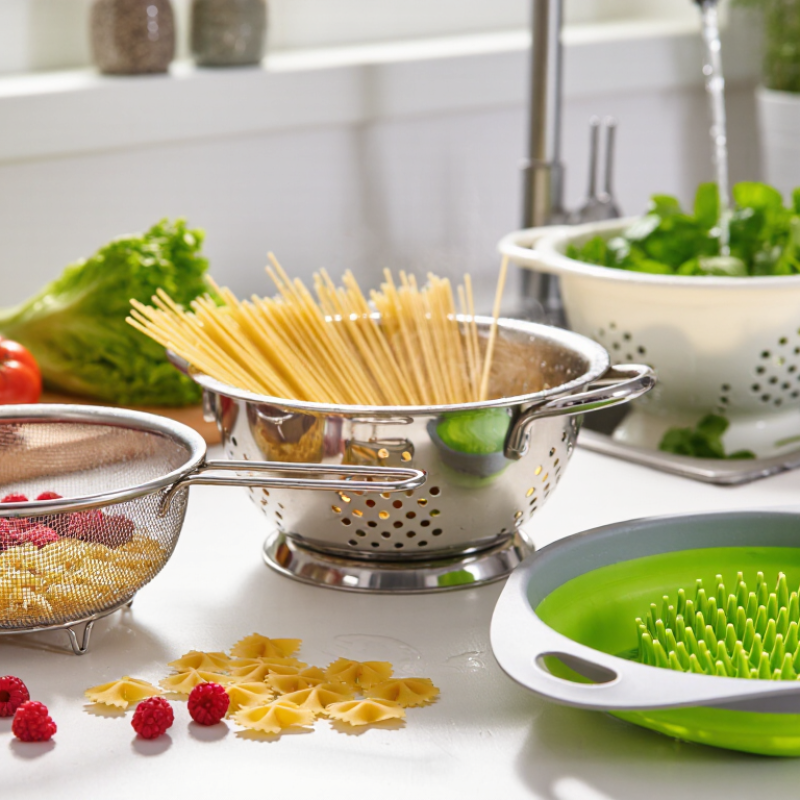
Alton Brown’s practical kitchen principle, “The right tool for the right job,” fits this choice well. A fine-mesh Colander Strainer can rinse quinoa, berries, and small pasta pieces. A perforated stainless-steel model handles heavy spaghetti and boiling water more confidently. A collapsible silicone version saves cabinet space, but it may flex under a full load. No single model wins every sink. That assumption deserves testing.

Food-safety guidance from the U.S. Food and Drug Administration recommends rinsing produce under running water and using clean equipment. The United States Department of Agriculture also emphasizes preventing cross-contamination during preparation. These recommendations make stable feet, smooth interiors, and easy cleaning more than cosmetic details. They become practical safeguards. A wide bowl, raised base, and comfortable handles can prevent hot water from reaching fingers or pooling beneath vegetables. Still, convenience can hide weakness. Some narrow holes clog with rice, while very large openings lose delicate ingredients. This guide compares bowl, mesh, over-sink, folding, and countertop types. It focuses on real kitchen tasks, not showroom appearance.
Top Colander Strainer Types for Every Kitchen

Colander Strainers: Purpose, Structure, and Basic Functions

Top Colander Strainer Types for Every Kitchen

Colander Strainers: Purpose, Structure, and Basic Functions

A colander strainer separates food from water during rinsing, draining, and cooking. Its open bowl allows liquid to escape through small perforations. Solid food stays inside. In daily use, I rely on one after washing leafy vegetables or draining freshly cooked pasta. The right size matters. A shallow colander works well for berries, while a deeper bowl holds heavier foods securely.

Most colanders include a perforated body, a raised base, and side handles. The holes control drainage speed and prevent food from falling through. Smaller holes suit rice, grains, and delicate produce. Wider openings drain pasta quickly but may lose small ingredients. Some designs sit inside a sink, while others rest on a counter or cooking pot. Stability is important when hot water adds weight.

Material also affects practical performance. Stainless steel resists odors and tolerates heat, while sturdy plastic feels lighter for everyday rinsing. Silicone models can fold into narrow drawers, though flexible walls may feel less stable. I once chose a compact colander for convenience, but it struggled with a large batch of noodles. That mistake changed how I judge capacity. A strainer should match the food, sink space, and cleaning routine, not just its appearance. It also needs smooth edges, easy-to-clean holes, and handles that remain cool during careful handling.
Main Colander Types and Their Distinctive Features

Main Colander Types and Their Distinctive Features

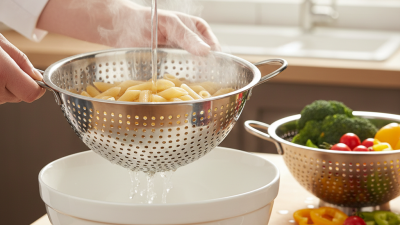
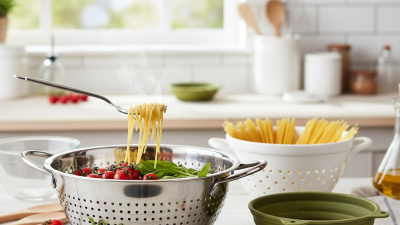
A kitchen colander is more than a bowl with holes. The classic perforated colander suits pasta, potatoes, and larger vegetables. Its raised feet keep food above the sink, while side handles improve control during draining. A fine-mesh strainer handles rice, quinoa, sauces, and rinsed berries more precisely. Its smaller openings reduce loss, but cleaning can be irritating. I still find a few seeds hiding in the rim.

A collapsible colander saves cabinet space and works well in compact kitchens. However, soft silicone walls may flex under heavy pasta. Over-sink models create a stable draining platform and leave both hands free. They are useful for washing leafy greens, although narrow sinks can make them awkward. Bowl colanders offer easier transfer from counter to refrigerator, especially when draining small portions.

Material affects daily performance. Stainless steel tolerates heat and repeated washing, while food-grade silicone feels quieter and resists scratches.

The U.S. Environmental Protection Agency reports that certified dishwashers use less than 3.2 gallons per cycle, compared with about 27 gallons for handwashing. Dishwasher-safe construction therefore matters beyond convenience.

The U.S. Department of Agriculture also estimates that 30–40% of the food supply is wasted, making fine-mesh designs valuable for recovering small grains and tender produce. These figures do not prove one colander is best. They only expose a practical question: will its holes, handles, and cleaning routine fit your real cooking habits?

How to Match Strainer Types with Kitchen Tasks

Matching a strainer to the task prevents watery sauces, crushed berries, and unnecessary food waste. A perforated colander suits draining pasta, potatoes, and washed greens. Choose wide handles and stable feet for heavy, hot loads. A smaller basket strainer works better for rinsing rice, lentils, or berries. Its tighter perforations help retain small ingredients without blocking water flow.

For clear broth, powdered sugar, or smooth sauces, use a fine-mesh strainer. A spoon can press soft ingredients through the mesh, but forcing fibrous food may tear it. I often use the wrong size when cooking quickly. That wastes time. A two-quart bowl under the strainer gives better control and keeps liquid from splashing across the counter. The USDA Economic Research Service estimates that 30% of the food supply was lost or wasted at retail and consumer levels, based on 2010 data. Careful draining cannot solve that entire problem, but it can reduce avoidable losses from rinsing and preparation. The FDA Food Code also emphasizes cleanable, durable food-contact equipment, so inspect seams, mesh, and handles regularly. A fine sieve is not automatically better. It clogs with chunky foods and slows routine cooking. The practical choice depends on particle size, liquid volume, heat, and how much pressure the food can tolerate.

Materials, Sizes, and Design Factors to Consider

Choosing a colander starts with the material, not appearance. Stainless steel resists stains, heat, and lingering odors, making it useful for pasta and blanched vegetables. Plastic is lighter and quieter, but lower-quality versions may warp near boiling water. Silicone models fold easily for narrow cabinets, although soft walls can feel unstable when filled. I have used all three, and none is perfect.

Size matters more than many shoppers expect. A small colander suits berries, herbs, or one serving of noodles. A medium bowl handles everyday vegetables without crowding the sink. Large models work well for family portions, but they need a deep basin underneath. Measure your sink first. A beautiful strainer is frustrating if its handles slip or its base touches dirty water.

Hole design affects both speed and food safety. Fine perforations help retain rice, quinoa, and small pasta, while wider openings drain leafy greens quickly. Check whether the holes cover the side walls, not only the bottom. Stable feet, broad handles, and a raised base improve control during heavy loads. Smooth edges are kinder to wet hands. Dishwasher compatibility is convenient, but repeated heat may weaken some plastics. I still misjudge capacity occasionally, especially when dry pasta expands. That small mistake can turn draining into a slippery, crowded task.

Cleaning, Storage, and Safe Everyday Use

A good colander should match the food you prepare most often. Stainless-steel colanders handle boiling pasta, rinsed vegetables, and heavy potatoes well. Fine-mesh strainers suit rice, grains, and small berries. Plastic versions feel lighter, while collapsible models save cupboard space. However, flexible hinges can trap moisture if they are not dried carefully.

Cleaning matters more than appearance. Rinse the colander immediately after draining starchy foods. Use a soft brush around holes, rims, and folding joints. A dishwasher may clean some materials safely, but check the care instructions first. Very hot water can soften certain plastics. I once stored a damp collapsible strainer and noticed a stale smell later. It looked clean, but hidden moisture remained.

Tips: Let the colander air-dry completely before stacking it. Store mesh strainers where they cannot bend. Keep sharp utensils away from thin metal edges. Never place a hot colander on an unstable surface. Check handles and feet regularly. Small cracks deserve attention. I sometimes forget this check. That is exactly why a monthly inspection helps.

Top Colander Strainer Types for Every Kitchen - Cleaning, Storage, and Safe Everyday Use

Colander Type Typical Material Best Everyday Uses Cleaning and Drying Storage Features Safe-Use Considerations
Footed Bowl Colander Stainless steel, plastic, or enamel-coated steel Pasta Vegetables Fruit Rinse promptly after use. Most stainless-steel and plastic versions are dishwasher-safe; check the care instructions. Dry fully around the feet and rim. Stable freestanding base keeps the draining surface above the sink or counter. Bowl shape can take up more cabinet space. Use on a level, heat-resistant surface. Do not pour boiling liquid into plastic unless the product is specifically rated for high temperatures.
Over-the-Sink Colander Stainless steel or durable, heat-resistant plastic Large batches Pasta Leafy greens Wash the handles, rim, and underside carefully because food residue can collect where the colander rests on the sink. Dry before storage. Adjustable or extended handles fit across many sinks, but the long shape may require vertical or wide-cabinet storage. Confirm that the handles sit securely before adding food. Never balance it on an unstable sink edge or use it as a hot-pot support.
Collapsible Silicone Colander Food-contact silicone with a rigid plastic or metal rim Small kitchens Camping Steaming support Open the folds completely during washing so food does not remain in creases. Dishwasher suitability varies; allow all folds to dry before collapsing. Folds flat or nearly flat, making it useful for drawers, narrow cabinets, and travel storage. Use only within the manufacturer’s stated temperature range. Inspect folds and seams regularly for cuts, warping, or trapped residue.
Fine-Mesh Strainer Stainless-steel mesh with a metal or plastic frame Rice Quinoa Sauces Flour Rinse immediately to prevent fine particles from drying in the mesh. Use a soft brush rather than a sharp tool. Dry thoroughly to reduce corrosion risk. Usually compact and easy to nest with bowls or hang by the handle. Fine mesh can catch on rough storage surfaces. Do not press hard against the mesh or scrape it with knives. Use a heat-resistant model when straining hot liquids.
Perforated Stainless-Steel Colander Stainless steel Pasta Potatoes Vegetables Generally easy to hand-wash and often dishwasher-safe. Check holes, rolled edges, and the base for starch or food buildup. Durable and often stackable with other bowls or colanders. Solid construction may make it heavier than plastic alternatives. Metal becomes hot when exposed to boiling water or steam. Use oven mitts when necessary and avoid sharp or dented edges.
Plastic Bowl Colander Food-grade polypropylene or other heat-rated plastic Fruit Salad greens Lightweight prep Wash with mild detergent and a non-abrasive sponge. Use the dishwasher only when the product is labeled dishwasher-safe; inspect for staining or cracks. Lightweight and commonly nestable. Store away from sharp utensils that may scratch the surface. Plastic heat resistance differs by product. Avoid direct contact with stovetops, open flames, and liquids hotter than the stated rating.
Berry and Produce Strainer Perforated plastic, stainless steel, or ventilated food-safe material Berries Herbs Small produce Rinse delicate produce gently. Clean soon after use because berry juice and soil can dry around small openings. Air-dry completely. Small footprint; some designs include a removable bowl or lid. Keep the lid separate while drying to prevent moisture retention. Do not leave washed produce at room temperature for extended periods. Refrigerate perishable produce promptly after preparation.
Colander with Base Bowl Stainless steel, glass, ceramic, or food-grade plastic Washing and soaking Draining in the refrigerator Serving Clean both the perforated insert and the receiving bowl. Remove the insert during drying so trapped water does not remain underneath. The bowl catches liquid and can be used for transport or storage. Nested parts may require more cabinet height. Do not store raw and ready-to-eat foods together without thorough cleaning. Check that the insert is seated securely before lifting.
Everyday safety reminder: Follow the care and temperature instructions supplied with the specific colander. Replace any item with cracked plastic, damaged silicone, loose mesh, sharp edges, or unstable handles.