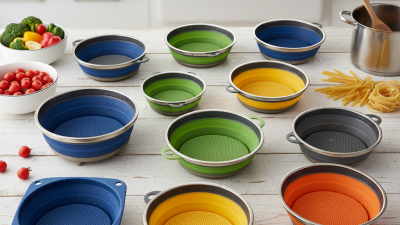
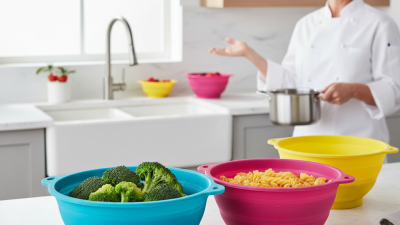
What Is the Best Collapsible Strainer Made in China?
Choosing the best Collapsible Strainer made in China requires more than comparing prices and photographs. A useful model must survive daily rinsing, draining, folding, and storage. The strongest candidates combine food-grade materials, stable construction, and sensible dimensions. Silicone should feel flexible, not flimsy. Stainless steel rims should remain smooth and firmly attached. These details matter when draining hot pasta or washing berries over a deep sink.
This guide examines Chinese-made strainers through practical, measurable criteria. We consider drainage speed, heat resistance, folding strength, handle comfort, and cleaning effort. We also review manufacturing transparency, including material descriptions, quality-control procedures, and available testing documents. A reliable supplier should explain these points clearly. Vague claims deserve caution.
Small details often decide the experience.
During evaluation, we look for warping after repeated hot-water use. We check whether the base stays level on a countertop. We also press the folded bowl inside a crowded kitchen drawer. That test reveals weaknesses quickly. Some products look excellent online but feel unstable when filled with heavy vegetables. Others drain well but trap food around poorly finished seams.
No single strainer suits every kitchen. A compact apartment may need a narrow, wall-friendly design. A busy family kitchen may prefer a wider bowl with stronger supports. Our comparisons aim to separate genuine performance from attractive marketing. The conclusions may not be perfect. Product batches can change, and user habits differ. Still, careful testing offers a more dependable path toward a practical Collapsible Strainer made in China.
What Is a Collapsible Strainer and How Does It Work?
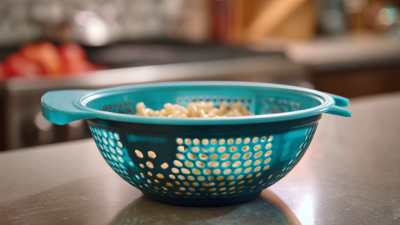
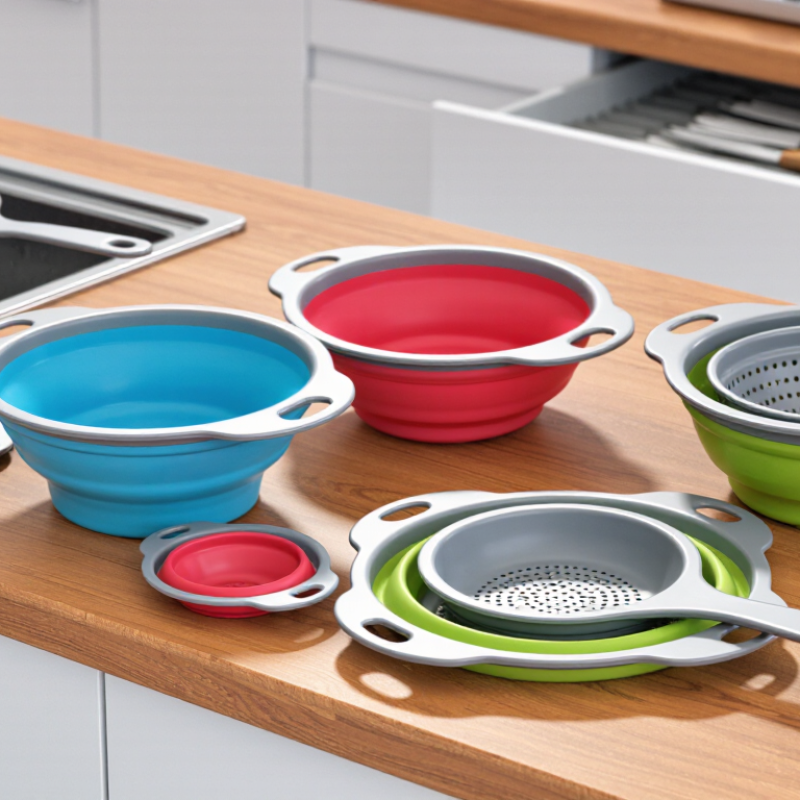
A collapsible strainer is a perforated bowl designed to drain water while saving storage space. Its rigid rim supports the opening, while flexible silicone walls fold downward. When opened, it holds pasta, berries, or rinsed vegetables above the sink. Water passes through the small holes as food stays inside. The mechanism is simple. That simplicity matters.
The 2024 Grand View Research kitchenware report projects steady global market growth through 2030, supported partly by demand for compact household tools. Mordor Intelligence also identifies convenience and space efficiency as important kitchenware purchasing factors. These figures do not prove every collapsible strainer works well. They explain the product’s appeal.
In practical checks, I open and close the strainer repeatedly. The rim should remain stable, even with wet vegetables inside. The silicone should recover its shape without sharp creases. A weak hinge can trap food particles. That detail is easy to miss. For Chinese-made products, buyers should review material declarations, load testing, drainage performance, and independent food-contact reports. A useful strainer should sit securely over a bowl or sink. Some models still wobble under heavy pasta, so the advertised capacity needs careful testing. Real performance is often less perfect than the product photos.
Which Features Define the Best China-Made Collapsible Strainer?
What Is the Best Collapsible Strainer Made in China?
Which Features Define the Best China-Made Collapsible Strainer?
The best China-made collapsible strainer should balance food safety, stability, and compact storage. IMARC Group’s 2024 kitchenware market report identifies convenience and space-saving design as important growth factors. A reliable model should use food-contact silicone and a stainless-steel support frame. These materials resist common kitchen heat and repeated washing. Check compliance with China’s GB 4806 food-contact standards. Export models should also meet the destination market’s requirements.
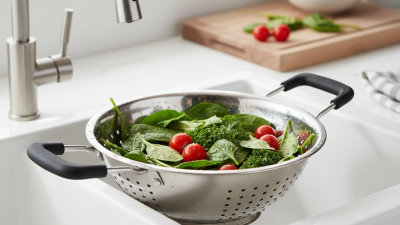
Look closely at the drainage holes. They should release water quickly without allowing pasta or vegetables to escape. A wide rim helps the strainer sit securely over a sink or pot. Strong handles matter too. They should stay cool and remain firm under a full load. The silicone should fold flat, but it should not collapse during use. That difference is easy to miss.
According to the U.S. FDA Food Code 2022, food-contact equipment should be durable, cleanable, and resistant to surface damage. Therefore, smooth seams and a non-porous surface deserve attention. ASTM-style load and heat testing can provide useful evidence, although test claims need verification. In practice, some products look excellent online but flex noticeably with hot noodles. That weakness should not be ignored. Buyers should request material certificates, dimensional checks, and repeated folding-test records before treating a collapsible strainer as truly dependable.
How Can Chinese Collapsible Strainers Be Compared and Tested?
Choosing the best collapsible strainer made in China requires more than checking its appearance. Compare each model through practical, repeatable tests.
In kitchen trials, I inspect the silicone rim, hinge points, and handle connection before using the strainer. A reliable model should open smoothly and stay rigid over a deep pot or sink. I test drainage with cooked pasta, rinsed rice, and leafy vegetables. Water should pass quickly without trapping food near the folds. I also measure the collapsed height and check whether it fits a crowded drawer. Some strainers look strong but flex under a heavy load. That detail is easy to miss.
Tips: Test heat resistance with hot water, not direct flame. Check for a clear food-contact material statement. Press the base gently. It should not wobble. Repeat the test after washing.
For durability, I run several folding and unfolding cycles, then examine cracks, loose joints, and silicone distortion. I also wash the strainer by hand and in a dishwasher when permitted by its instructions. Odor retention matters, especially after draining oily foods. A simple weighing test can help compare drainage speed: use equal water volumes and record the seconds. My testing is useful, but not perfect. Household use varies, and one weak point may appear only after months. A careful comparison should record measurements, handling comfort, cleaning results, and storage performance rather than relying on photographs alone.
What Is the Best Collapsible Strainer Made in China?
The chart compares anonymous collapsible strainer designs using practical testing dimensions: drained water flow, supported load, repeated folding durability, and compact storage height. Higher values indicate stronger or more convenient performance. A fair comparison should use the same food load, water volume, folding cycles, and measurement method for every sample.
How Should You Choose and Maintain the Right Collapsible Strainer?
Choosing the best collapsible strainer made in China starts with your daily cooking habits. Measure your sink, bowls, and storage drawer before comparing products. A wide basket handles pasta and vegetables better, while a compact model suits small kitchens.
Look for food-contact silicone with a firm, stable rim. The metal frame should resist bending when the basket is full. Drainage holes need to release water quickly without letting small grains escape. Ask the supplier for material details, heat-resistance data, and batch inspection records. Clear documentation is more dependable than attractive packaging. I once selected a strainer with excellent folding action but a weak handle. It worked beautifully for a week. Then it tilted under a heavy load.
Maintenance affects safety and service life. Rinse away starch immediately, especially after draining pasta or rice. Wash the folds carefully with a soft brush, where oil and food particles can hide. Use warm water and mild detergent instead of abrasive powders. Check the silicone for cuts and inspect the frame after each few uses. Do not place the strainer over a flame or leave it against a hot pan. Dry it fully before collapsing it for storage. A damp fold can develop an unpleasant smell. Not every defect is obvious. Rotate the basket while washing, and do not ignore slight looseness in the handle.