What is the Best Glass Container for Food Storage?
When it comes to food storage, Glass Containers are a popular choice. They offer several advantages over plastic options. Many people appreciate their durability and aesthetic appeal. Glass containers also do not retain odors or stains, ensuring food stays fresh.
However, not all glass containers are created equal. Some might break easily or lack proper lids. Choosing the right container can be overwhelming. It’s important to find ones that fit your needs and budget. The market offers many shapes, sizes, and features.
Reflecting on your own usage is essential. Are you storing leftovers, prepping meals, or organizing your pantry? Each use may require different types of glass containers. Analyzing these details can lead to better storage solutions. Remember, the ideal container should reflect your lifestyle and culinary preferences.
Types of Glass Containers for Food Storage
When it comes to food storage, glass containers offer a range of options. The most common types include jars, meal prep containers, and baking dishes. Each serves a unique purpose. For instance, jars are perfect for storing dry foods like pasta or spices. They keep items visible and preserve freshness.
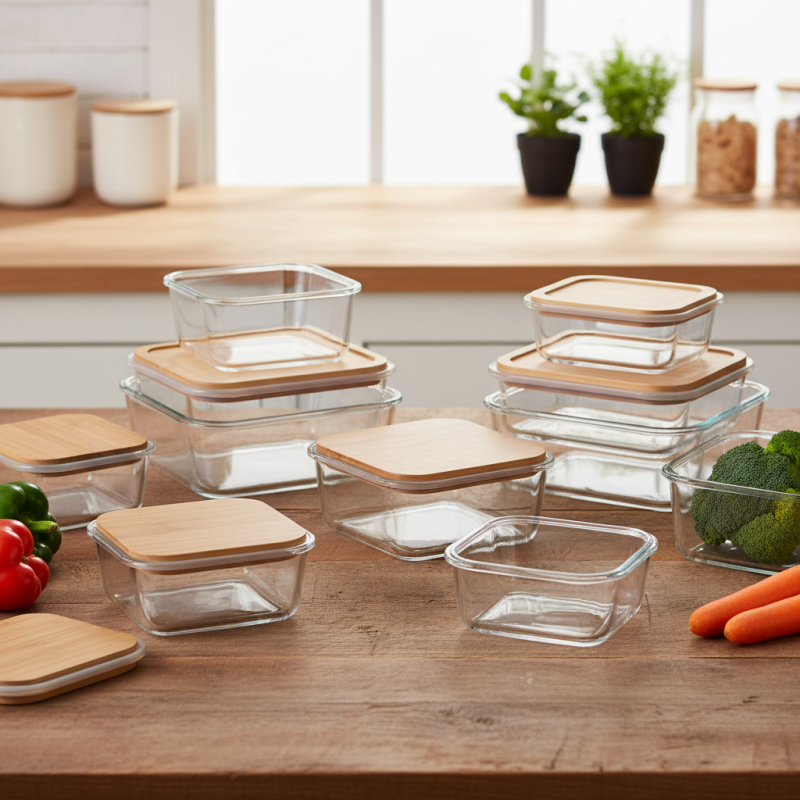
Meal prep containers usually come with lids. They are ideal for portion control. You can prepare meals in advance and then refrigerate or freeze them. Glass baking dishes double as storage and cooking options, allowing you to prepare, store, and serve from the same dish.
However, not all glass containers are created equal. Some may chip or crack over time. It's essential to choose high-quality glass. Also, be cautious with airtight lids. If not sealed properly, food can spoil faster. With a variety of choices available, finding the right glass container should align with your lifestyle and storage needs.
Types of Glass Containers for Food Storage
This chart displays the popularity of various types of glass containers used for food storage based on user preference.
Benefits of Using Glass for Food Storage
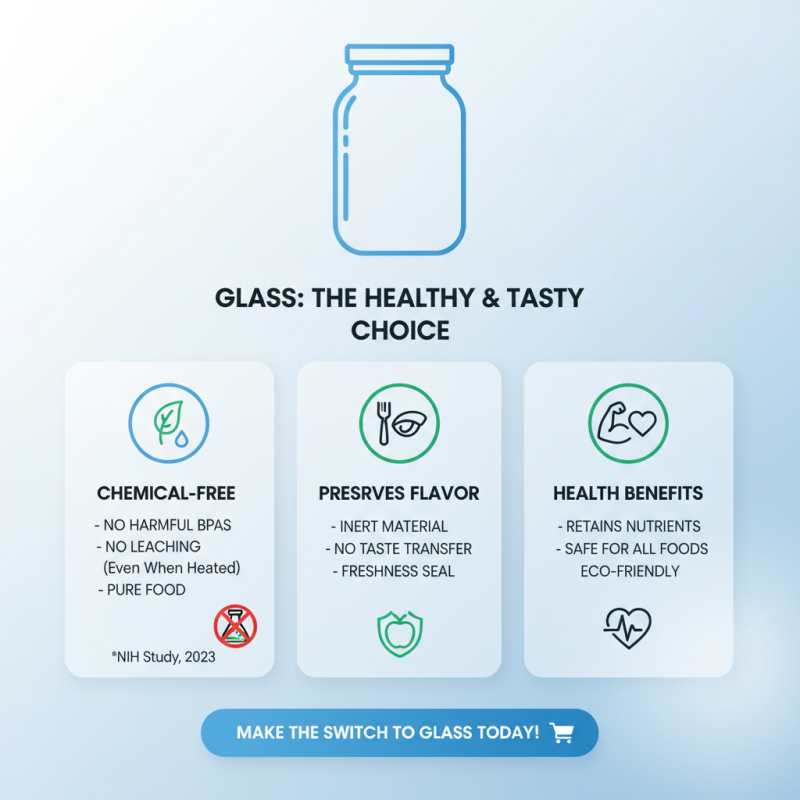
Glass containers offer numerous benefits for food storage that many people overlook. Unlike plastic, glass does not contain harmful chemicals like BPA, which can leach into food. A study by the National Institute of Health noted that nearly 90% of plastic containers tested showed signs of chemical release when heated. This is a significant concern for health-conscious consumers. Glass is inert, preserving the taste and nutritional value of food, ensuring that meals remain safe and flavorful over time.
Moreover, glass containers are durable and can withstand extreme temperatures. They are microwave, oven, and dishwasher-safe, providing versatility that plastic often lacks. A report from the American Institute for Cancer Research highlighted that glass containers have a longer lifespan than plastic. Many consumers, however, do not realize that when exposed to continuous temperature changes, plastic can degrade over time, impacting food safety. Not all glass containers are created equal, and finding the right one can be challenging.
While glass containers are generally recyclable, the process can be complex. Some consumers struggle with the handling and breaks. Investing in high-quality glass options can minimize these concerns. Still, it’s crucial to acknowledge that glass can be heavy, making it less convenient for storage in smaller kitchens. Balancing practicality and health benefits makes glass an appealing choice, even when it requires some adjustment.
Factors to Consider When Choosing Glass Containers
When choosing glass containers for food storage, consider several key factors. Start with the size. Aim for versatile designs that fit various leftovers. A set with different sizes helps accommodate everything from large casseroles to small snack portions. It’s essential to evaluate if the containers stack well in your fridge. This can save space and keep your kitchen tidy.
Next, check the lid type. Tight-fitting lids are crucial for freshness. Look for containers with airtight seals to prevent spills. However, some lids may crack or warp over time. Test their durability and ease of use before settling on a choice. Transparency is another vital factor; clear glass allows easy viewing of contents, ensuring you use items before they spoil.
Lastly, compatibility with your lifestyle matters. If you plan to microwave or bake in these containers, ensure they can withstand temperature changes. Not all glass is created equal. Some designs are more prone to breaking under heat. It’s worth spending time researching options, considering your cooking habits and storage needs. This reflection can steer you toward choices that truly benefit you.
Comparison of Glass Containers vs. Plastic Containers
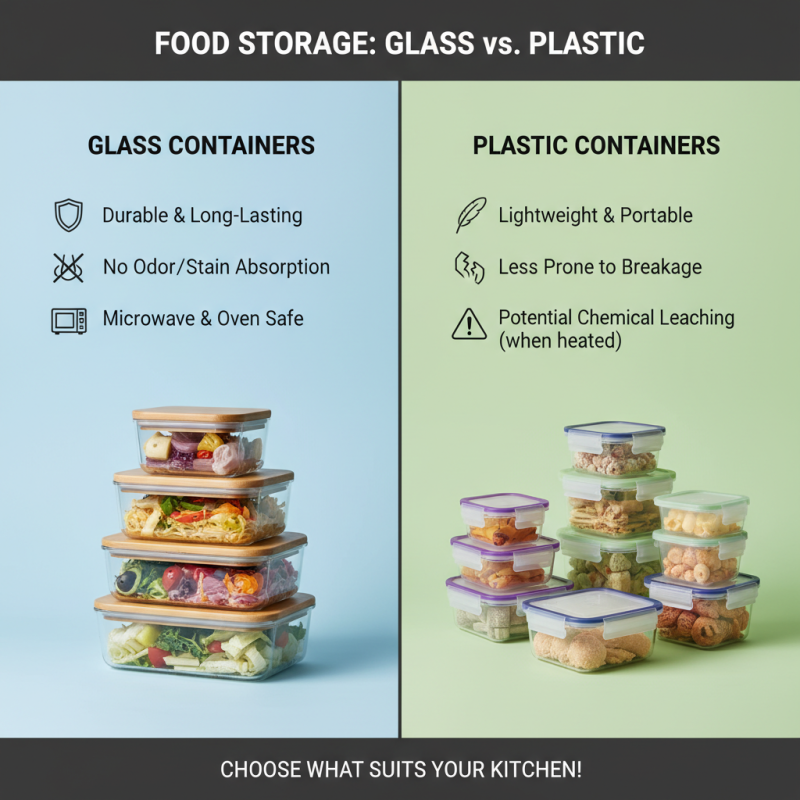
When it comes to food storage, the debate between glass and plastic containers is common. Glass containers are durable and do not absorb odors or stains. They are microwave and oven safe, making them ideal for reheating meals. On the other hand, plastic containers are lightweight and less prone to breakage, which can be an advantage in busy kitchens. However, some plastics may leach chemicals into food when heated, raising health concerns.
Tips for choosing the right container include considering your storage needs. If you often freeze food, glass containers with airtight lids work well. Ensure they are temperature-safe to prevent cracking. For those on a tight budget, look for quality recyclable plastic options, but check for BPA-free labeling.
It's important to reflect on your habits. Do you frequently leave containers in the sun? This can warp plastic, decreasing its lifespan. Additionally, always check for dishwasher compatibility, as not all materials fair well in high heat. While plastic may seem convenient at first, consider the long-term implications for both health and the environment. Choosing the right material can significantly impact your food storage routine.
Best Practices for Storing Food in Glass Containers
Storing food in glass containers is becoming more popular. They are
durable, reusable, and eco-friendly. However, knowing how to use them effectively is essential for food safety and quality.
When using glass containers, always allow food to cool before sealing. Hot food can create pressure, which may lead to
breakage. It’s crucial to ensure the lid is not too tight. This can trap steam and moisture inside, potentially spoiling food.
Consider using a glass container with a silicone seal to maintain freshness without risking damage.
Tips for storage:
- Keep glass containers in a cool, dry place.
- Avoid direct sunlight, as it can affect food quality.
- Label containers with dates for easy tracking.
- This simple practice can help monitor freshness.
- Lastly, don’t overload them. Leave some space at the top; too much pressure can cause spills.
Remember, while glass is versatile, it has its downsides. It can break easily if dropped. Reflect on your kitchen habits
and find safe spots for storage. Being mindful can prevent accidents and ensure food stays fresh longer.