Welcome to this website!

Leave Your Message

What Types of Plastic Containers Are Best for Global Buyers?

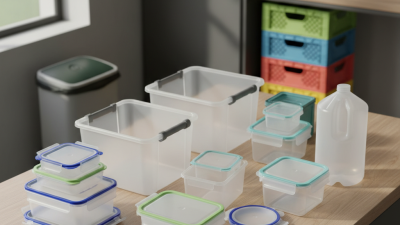
Choosing the right Plastic Containers is a practical decision for global buyers, not a simple product comparison. A container may look strong in a product photograph, yet fail during stacking, filling, or ocean transport. Material choice matters. HDPE offers toughness for detergents, chemicals, and industrial liquids. PET provides clarity and a polished appearance for beverages, cosmetics, and food products. PP handles heat better and suits many reusable applications.

Steve Russell, a longtime plastics-industry specialist, has noted, “Plastic packaging is lightweight, durable, and versatile.” That versatility explains its global demand. It also creates responsibility. Buyers must examine more than price. Wall thickness, closure compatibility, drop resistance, leakage performance, and temperature limits deserve careful review. A reliable supplier should provide material specifications, test records, production samples, and clear traceability.

Small details matter.

During sourcing work, I have seen buyers approve containers after checking only volume and color. That approach can create expensive surprises. A cap may loosen after vibration. A thin shoulder may crack under pressure. A transparent bottle may become cloudy in cold storage. These are not dramatic failures at first, but they can damage trust quickly.

This guide compares container materials, shapes, closures, and supplier practices for international purchasing. It also considers food-contact suitability, recycling information, packaging efficiency, and destination-market requirements. No single Plastic Containers solution fits every product. The best choice depends on contents, transport conditions, customer expectations, and verified technical evidence. Even experienced buyers should reassess their assumptions. Good packaging is rarely accidental.
What Types of Plastic Containers Are Best for Global Buyers?

Plastic Container Types and Their Main Global Uses

What Types of Plastic Containers Are Best for Global Buyers?

Plastic Container Types and Their Main Global Uses

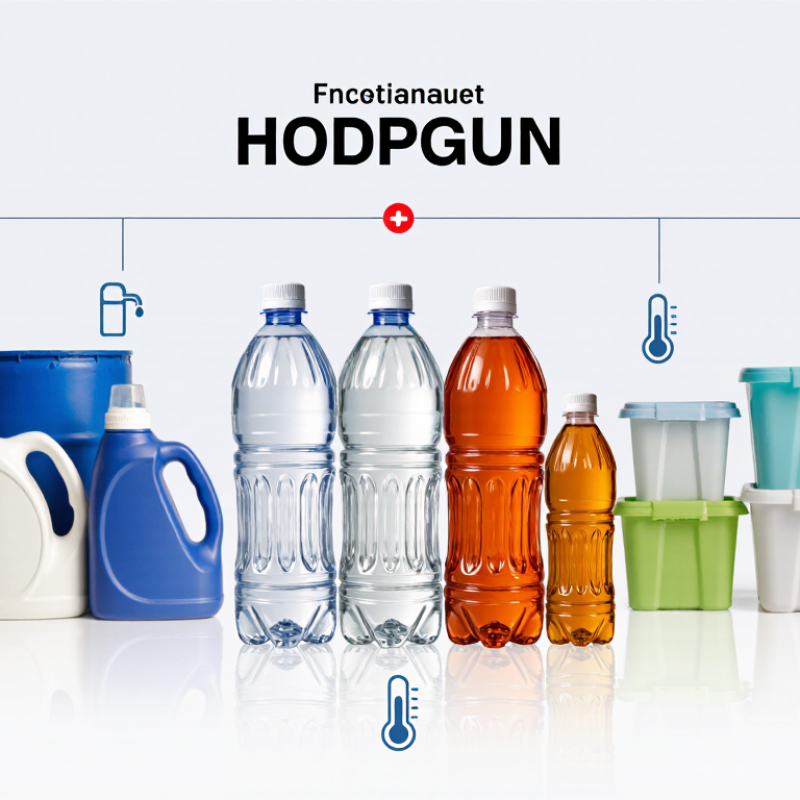
HDPE bottles are widely used for detergents, personal care products, and household liquids. They resist impact and handle many common formulations well.

PET bottles offer clarity, light weight, and strong shelf appeal. Buyers often choose them for beverages, edible oils, and liquid cosmetics.

PP containers tolerate higher filling temperatures and repeated handling. They suit food tubs, pharmaceutical packaging, and reusable storage boxes.

Small PET jars can protect creams, powders, and dry ingredients during long shipments. Wide-mouth HDPE containers make scooping easier for industrial powders and cleaning products.

Flexible plastic pouches reduce shipping volume, but they need careful sealing and stronger outer cartons. Not every container travels equally well. Thin walls may deform inside hot containers or under warehouse pressure.

Export experience shows that closure quality matters as much as container material.

A secure cap, induction seal, or liner can prevent leakage and contamination. Buyers should request drop-test results, wall-thickness data, and material specifications.

Food and cosmetic applications may also require suitable contact documentation for the destination market.

One practical mistake is choosing the lowest unit price. A cheaper bottle can create higher costs through dents, leaks, or rejected shipments.

Container color, neck size, pallet fit, and filling-line compatibility deserve equal attention. Temperature changes can expose weaknesses that local testing misses. Small trials often reveal these problems early.
Material Choices: PET, HDPE, PP, and Other Common Plastics

Global buyers often start with PET because it is clear, lightweight, and easy to display. It works well for water, beverages, sauces, and personal-care liquids. Its smooth surface also supports accurate labeling. However, PET may deform under high heat or heavy pressure. Request samples before approving large production runs.

HDPE offers better impact resistance and stronger protection from many household and industrial liquids. Its slightly opaque appearance can make color matching less predictable. For rigid bottles, jerry cans, and chemical-resistant packaging, HDPE is often a practical choice.

PP handles heat better than PET and HDPE, making it useful for hot-fill containers, food tubs, and reusable caps. It can still become brittle in cold conditions. Small details matter.

Other plastics deserve careful review. LDPE is flexible and useful for squeeze bottles, liners, and soft packaging. It feels different in the hand. PVC can provide clarity and durability, but buyers should confirm suitability for the intended application and local requirements.

Recycled content may reduce virgin plastic use, yet it can affect color, odor, strength, and consistency. I have seen attractive samples fail after transport because the wall thickness was too low.

Container weight, closure fit, stacking pressure, temperature changes, and shipping distance should be tested together. The cheapest resin is rarely the cheapest result.

Suppliers should provide material specifications, test data, and clear batch controls. Some decisions remain imperfect, especially when price, appearance, durability, and recyclability compete.

How to Match Container Design With Product Requirements

What Types of Plastic Containers Are Best for Global Buyers?

How to Match Container Design With Product Requirements

Container selection should begin with the product, not appearance. A thick cream needs a wide opening and stable walls. A thin liquid needs controlled pouring and reliable leak protection. I have learned this the hard way. A beautiful container can still frustrate users.

Check chemical compatibility before approving a design. Oils, alcohol-based formulas, acids, and detergents may weaken unsuitable plastics. Consider HDPE, PET, PP, or multilayer structures according to the product’s needs. Temperature also matters during filling, storage, and transport. A container exposed to hot warehouses needs stronger dimensional stability. Clear plastic improves product visibility, but it may offer less light protection. Dark or opaque packaging can protect sensitive contents better.

Closures deserve equal attention. Match the cap, pump, liner, or seal to the product’s viscosity and dispensing habits. A loose closure creates leaks, damaged cartons, and costly claims. A tight closure may slow production or frustrate users. Test samples through drop tests, pressure checks, stacking trials, and repeated opening cycles. Test them in realistic conditions. The first sample is rarely perfect. Global shipments also require practical dimensions, consistent wall thickness, and dependable labeling space. Minor changes can improve pallet efficiency, but they may reduce grip comfort. That trade-off needs honest review before mass production.

Global Standards for Safety, Recycling, and Transportation

Global buyers should choose plastic containers against safety, recycling, and transport requirements. The safest option depends on the product, destination, and filling process. For food, cosmetics, or household chemicals, request food-contact declarations and migration test reports. These documents should identify the plastic type, additives, and testing conditions. A container may perform well in one market but fail another market’s requirements.

Recycling design matters during purchasing. Clear polyethylene or polypropylene containers are often easier to sort than mixed-material packs. Common resin identification codes help, but they do not guarantee local recycling. Check whether the destination has collection facilities for that material. Recycled content can reduce environmental impact, yet buyers should verify its source and quality. Documentation matters here. Labels can still confuse consumers.

Transport testing reveals practical weaknesses. Filled containers should withstand stacking, vibration, drops, pressure changes, and temperature shifts. A bottle that survives a warehouse may crack inside a hot shipping container. Use compatible closures and test leakage after repeated handling. Ask suppliers for batch records, inspection procedures, and independent laboratory results. Audits provide stronger evidence than photographs. Still, no test perfectly reproduces every route, climate, or handling mistake. Buyers should review failures honestly and adjust wall thickness, shape, or packaging when necessary.

Key Factors for Comparing Suppliers and Total Purchase Costs

What Types of Plastic Containers Are Best for Global Buyers?

Global buyers should match the container material to the product, shipping route, and market requirements. PET suits many clear bottles and offers strong shelf visibility. HDPE handles impact well and protects products from light. PP performs reliably with warmer filling conditions and repeated opening. Material choice is only one part of the purchase decision.

Compare suppliers through more than the quoted unit price. Request resin specifications, dimensional drawings, closure samples, and recent quality records. Check wall thickness around the neck and base. Small details matter. Ask about minimum order quantities, mold charges, production capacity, and average defect rates. A low quotation may hide expensive setup fees or inconsistent batches.

Calculate the landed cost per usable container. Include tooling, packaging, inland transport, ocean or air freight, insurance, duties, testing, and inspection. Measure how many cartons fit on a pallet and inside a shipping container. Empty space can quietly increase freight costs. Confirm lead times in writing, including approval samples and replacement production. Payment terms also affect working capital. I have seen buyers overlook secondary packaging and lose their savings there. That estimate can fail. A transparent supplier should explain assumptions, provide traceable documents, and accept reasonable pre-shipment checks. Avoid choosing only by price; reliability is often cheaper over several orders.

What Types of Plastic Containers Are Best for Global Buyers? - Key Factors for Comparing Suppliers and Total Purchase Costs
Container Type Common Material Typical Global Applications Typical Capacity Range Typical Service Temperature Barrier and Product Compatibility Recycling Identification Indicative Empty Unit Cost (USD) Typical MOQ for Standard Designs Typical Tooling Requirement Typical Production Lead Time Key Supplier Evaluation Point
Clear Beverage Bottle PET Water, carbonated beverages, juices, edible oils, personal-care liquids 250 ml–2 L Approximately −40°C to 60°C for ordinary use; hot-fill designs require separate validation Good clarity and moisture barrier; limited resistance to strong solvents and high-temperature processing #1 PET; acceptance varies by local collection and recycling systems $0.07–$0.20 5,000–20,000 units Stock design: usually none; custom preform or bottle mold: approximately $3,000–$20,000+ 15–35 days after approval for stock designs Check bottle weight, neck finish, pressure resistance, preform quality, and export packaging efficiency
Rigid Utility Bottle HDPE Detergents, household chemicals, shampoo, cosmetics, agricultural liquids, industrial products 100 ml–5 L Approximately −40°C to 80°C for ordinary use Good impact and chemical resistance; naturally opaque or translucent; weaker oxygen barrier than some multilayer formats #2 HDPE; commonly collected in established recycling systems $0.10–$0.28 5,000–20,000 units Stock design: usually none; custom extrusion-blow mold: approximately $2,000–$15,000+ 20–40 days after design approval Verify wall-thickness consistency, drop performance, chemical compatibility, and cap torque
Squeeze Bottle LDPE or flexible HDPE Condiments, creams, lotions, laboratory liquids, sports and travel products 30 ml–1 L Approximately −50°C to 60°C, depending on formulation and wall design Flexible and easy to dispense; good moisture resistance; comparatively limited stiffness and oxygen barrier #4 LDPE when made from LDPE; local recycling access may be limited $0.14–$0.38 10,000–30,000 units Custom mold commonly approximately $2,000–$12,000+ 25–45 days after approval Test squeeze recovery, leak resistance, dispensing orifice size, and compatibility with the formula
Heat-Resistant Jar or Container PP Food tubs, microwaveable packaging, cosmetics, medical and laboratory products 50 ml–2 L Approximately −20°C to 100°C for many standard designs; sterilization requires specific validation Good chemical and heat resistance; suitable for many hot-fill and reusable applications when properly designed #5 PP; recycling availability differs significantly by country $0.12–$0.32 10,000–30,000 units Custom injection mold commonly approximately $5,000–$25,000+ 30–55 days after mold approval Confirm heat distortion performance, hinge or lid fit, sealing surface, and food-contact documentation where required
Transparent Wide-Mouth Jar PET or PETG Cosmetics, supplements, dry foods, personal-care products, sample packaging 30 ml–500 ml Approximately −20°C to 60°C for common designs High visual appeal and clarity; suitable for dry or compatible liquids; not intended for all solvent-based formulas #1 PET where applicable; PETG recycling classification and local acceptance should be confirmed $0.15–$0.45 5,000–20,000 units Stock design: usually none; custom mold commonly approximately $3,000–$18,000+ 20–40 days after design approval Evaluate neck finish, liner compatibility, cosmetic appearance, scratch resistance, and closure sealing
Recycled-Content PET Bottle rPET, often blended with virgin PET Beverages, personal care, household liquids, sustainability-focused packaging programs 250 ml–2 L Approximately −40°C to 60°C for ordinary use; application-specific validation is required Similar basic properties to PET, but color, haze, odor, and mechanical performance may vary with recycled-content percentage #1 PET; recycled-content claims require traceability and supporting documentation $0.10–$0.28 10,000–30,000 units Existing PET tooling may be usable; new custom tooling may cost approximately $3,000–$20,000+ 20–45 days after material approval Request recycled-content percentage, chain-of-custody records, color tolerance, and food-contact compliance if relevant
Post-Consumer Recycled HDPE Container PCR-HDPE, often blended with virgin HDPE Cleaning products, personal care, household chemicals, industrial containers 250 ml–5 L Approximately −40°C to 80°C for ordinary use Good impact and chemical resistance; recycled content can increase color variation, odor risk, or batch-to-batch variation #2 HDPE; recycled-content claims require documented material traceability $0.12–$0.32 10,000–30,000 units Existing HDPE tooling may be usable; custom tooling commonly approximately $2,000–$15,000+ 25–50 days after material approval Check PCR source, odor testing, color tolerance, migration requirements, and consistency between production lots
Total purchase cost should not be judged by unit price alone. For global sourcing, compare the estimated landed cost using: product price + tooling amortization + packaging cost + inland transport + international freight + insurance + customs duty and taxes + inspection and compliance costs + expected defect or replacement cost.
Indicative cost ranges are planning benchmarks for empty containers in approximately 500 ml–1 L equivalent sizes, standard export quantities, and ordinary packaging requirements. Actual quotations vary according to resin prices, container weight, design complexity, decoration, closure, order volume, destination, Incoterms, certification, and freight conditions. Temperature ranges describe common service conditions and should be validated against the specific resin, formulation, filling process, and container design.