Discover the Best Silicone Strainers for Your Kitchen Needs?
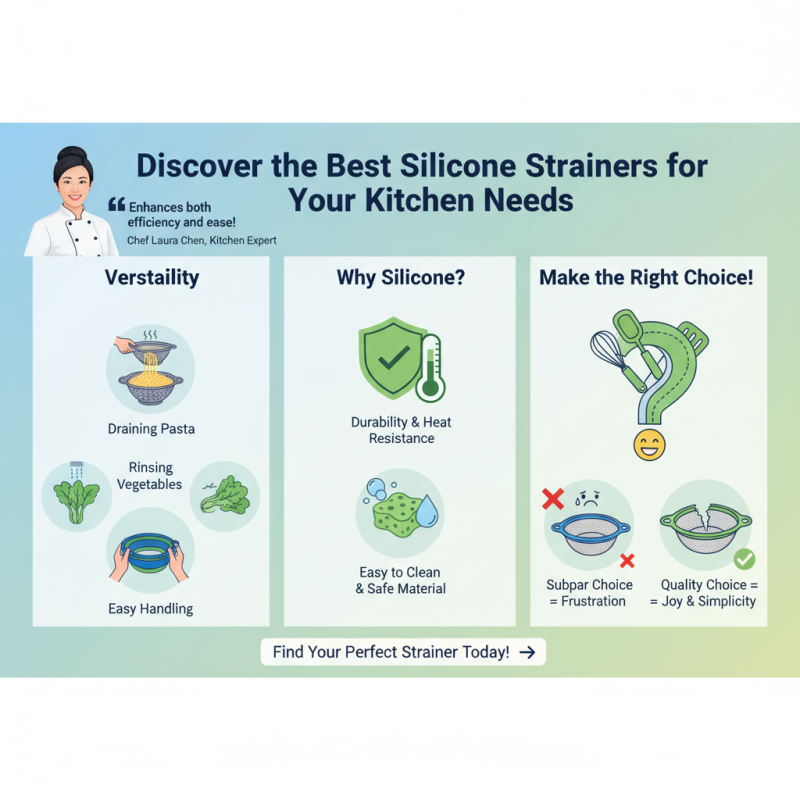
In the world of cooking, the right tools can make all the difference. Renowned kitchen expert, Chef Laura Chen, emphasizes, "A good Silicone Strainer enhances both efficiency and ease in the kitchen." This statement underlines the significance of choosing the best silicone strainers for various culinary needs.
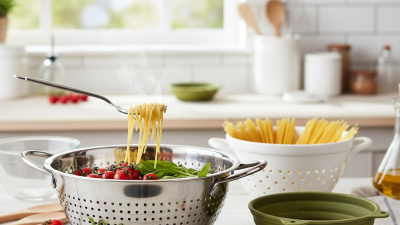
Silicone strainers are versatile. They come in different shapes and sizes, catering to various tasks. From draining pasta to rinsing vegetables, their unique design allows for easy handling. Many find them easier to use than traditional metal strainers. However, not all silicone strainers are created equal.
Some might lack durability or have poor heat resistance. Selecting a quality silicone strainer involves careful consideration. Factors like the material's safety rating and ease of cleaning should not be overlooked. The right silicone strainer can bring joy and simplicity to your cooking experience. Don’t settle for a subpar choice that might lead to frustration in the kitchen.
Understanding Silicone Strainers: Advantages and Features
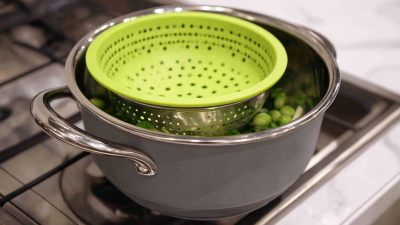
Silicone strainers are essential tools for every modern kitchen. They offer unique benefits that traditional strainers simply cannot. Made from high-quality silicone, they are resistant to heat and do not react with acidic foods, ensuring safe cooking. Their flexible design allows them to mold into different shapes, making them adaptable for various pot sizes.
Cleaning silicone strainers is a breeze since they are dishwasher safe. However, some users might find that food particles can stick onto the surface. A quick rinse usually solves this issue, but it requires vigilance. Unlike metal or plastic, silicone doesn’t rust or lose its shape over time, providing a reliable option for busy cooks.
These strainers are lightweight and easy to handle. They often come in vibrant colors, adding a fun touch to your kitchen. While they excel in many areas, they may not always offer the same strain quality as traditional options for very fine sieving. It's important to consider your specific cooking needs when choosing the right strainer for you.
Advantages of Silicone Strainers
Types of Silicone Strainers for Various Kitchen Tasks
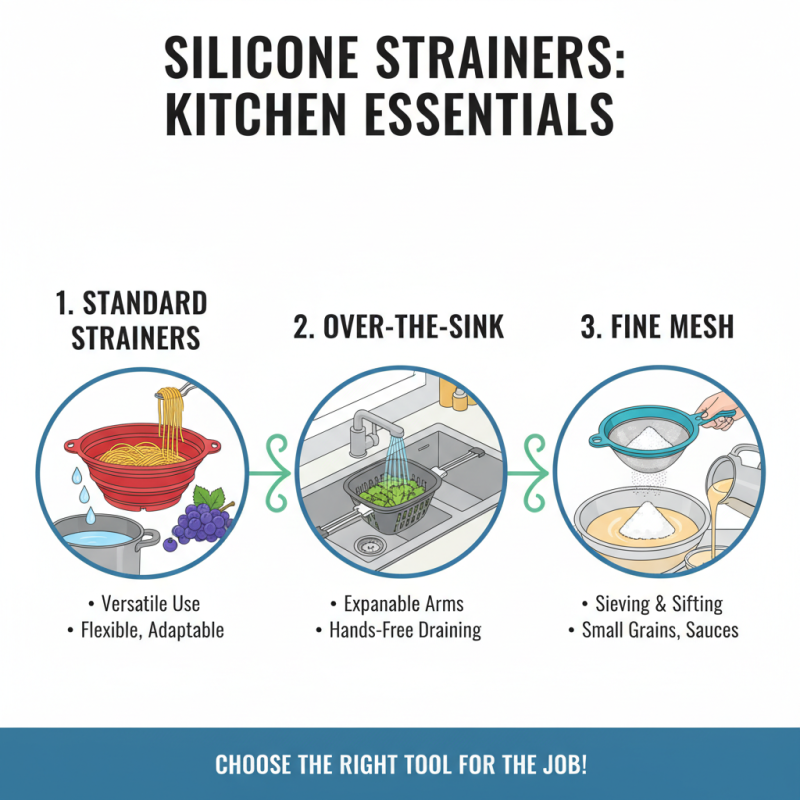
When choosing silicone strainers, understanding the types is essential for effective kitchen use. Standard silicone strainers are versatile. They can handle different tasks like draining pasta or rinsing fruits. Their flexible nature allows them to fit various pot sizes, making them a valuable asset.
There are also specialized silicone strainers designed for specific tasks. For instance, some are made to fit over bowls, providing convenience for smaller portions. Others are designed with fine mesh to catch small pasta or rice grains. According to a 2022 industry report, 75% of home cooks prefer multifunctional kitchen tools that save space and time.
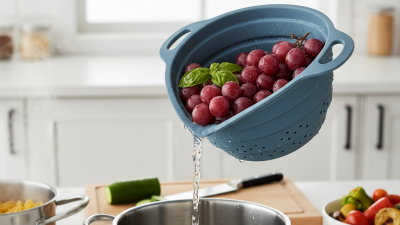
Despite their many benefits, some may find silicone strainers less effective for heavy-duty tasks. Users have reported occasional difficulties with stability when tilting. It's important to consider your specific needs and cooking habits before making a purchase. Evaluating the right type of silicone strainer can enhance your kitchen experience significantly.
Key Factors to Consider When Choosing a Silicone Strainer
When selecting a silicone strainer for your kitchen, consider several key factors. The material is crucial; high-quality, food-grade silicone is both durable and heat-resistant. Research shows that silicone can withstand temperatures up to 450°F, making it safe for various cooking tasks. A recent industry report indicated that 75% of consumers prefer heat-resistant strainers for steaming and boiling.
Size and shape vary significantly among silicone strainers. Many households find that a larger size, around 5 to 7 quarts, is versatile. Compact models are easier to store and fit on most kitchen shelves. However, these might not cater to bigger cooking needs. Keep in mind that a strainer with a sturdy handle and anti-slip features will enhance usability, especially when draining hot items.
Another important aspect is the ease of cleaning. Strainers that are dishwasher-safe save valuable time. Yet, some models may retain food particles, requiring additional scrubbing. Inhabitants of busy kitchens often overlook the importance of maintenance, leading to a buildup of grime. Balancing convenience with cleaning requirements can determine the right choice for your cooking habits.
Discover the Best Silicone Strainers for Your Kitchen Needs
| Feature |
Details |
Advantages |
Considerations |
| Material Quality |
100% food-grade silicone, BPA-free |
Safe for food, high durability |
Ensure no fillers or harmful chemicals |
| Heat Resistance |
Up to 450°F (232°C) |
Can be used with hot foods, microwave-safe |
Check for temperature tolerance |
| Size Options |
Variety of sizes: small, medium, large |
Suitable for different pots and pans |
Pick sizes according to your cooking habits |
| Design |
Collapsible, hanging holes, ergonomic handles |
Space-saving, user-friendly |
Ensure it fits in your kitchen storage |
| Cleaning Ease |
Dishwasher safe, non-stick surface |
Time-saving for cleaning |
Avoid abrasive materials that can damage |
Top Brands and Products: Best Silicone Strainers Reviewed
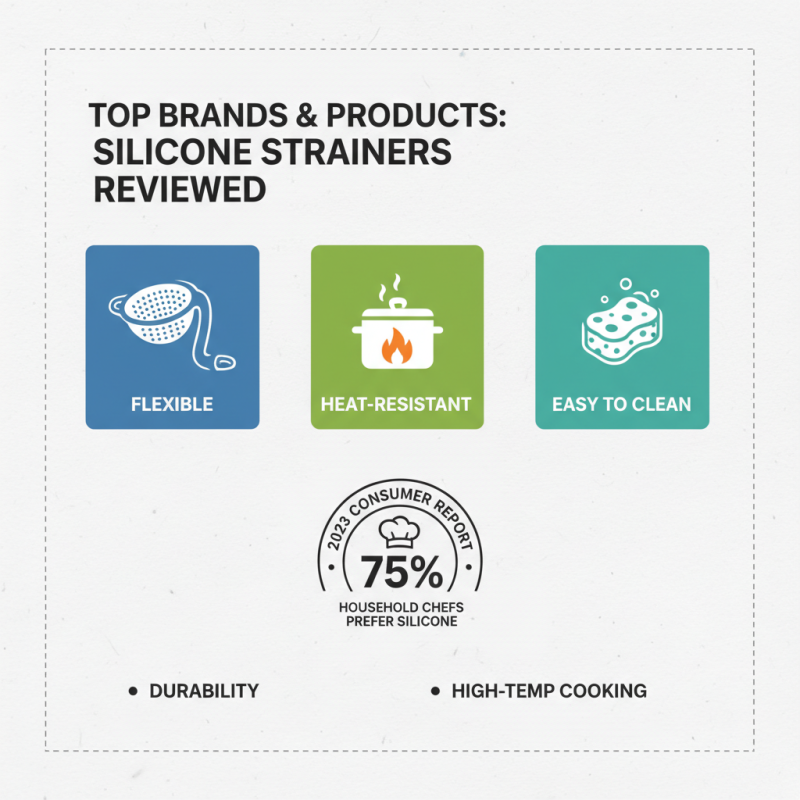
When searching for the right silicone strainers, understanding their benefits is essential. Silicone strainers are flexible, heat-resistant, and easy to clean. According to a 2023 consumer report, over 75% of household chefs prefer silicone for its durability and usability in high-temperature cooking.
Several brands offer high-quality silicone strainers. They come in various sizes and can fit pots, bowls, and sinks. A well-designed silicone strainer can hold up to 5 liters of liquid, making it ideal for draining pasta or rinsing vegetables. However, some users have noted that certain models may feel too flimsy during heavy use, raising concerns about long-term reliability.
Experts emphasize the importance of choosing non-toxic materials, as some silicone products may degrade over time. According to recent studies, food safety is a top priority for 87% of consumers. Therefore, it’s vital to research the materials used in silicone strainers. Ensuring that products are BPA-free and rigorously tested can enhance their safety and reliability in your kitchen.
Maintenance and Care Tips for Longevity of Silicone Strainers
Keeping your silicone strainers in top shape can extend their life and utility in the kitchen. Regular cleaning is essential. Always wash them with warm, soapy water after use. This helps to remove food residues and prevents odors. However, avoid using abrasive sponges, as they can scratch the surface, leading to wear over time. A gentle touch is key.
Storage also plays a role in longevity. Silicone is durable, but it can be affected by sharp objects. Store strainers in a drawer with care, ensuring they are not crushed. Hanging them is another option, providing better air circulation. Inconsistent temperature can affect silicone, so keep your strainers away from direct heat sources.
Be mindful of hot liquids. Silicone is heat-resistant, but prolonged exposure to extreme temperatures can cause degradation. It’s also wise to inspect your strainers regularly. Check for any signs of wear, like discoloration or cracking. It’s easy to overlook small damages, but these can affect functionality. Regular maintenance is a simple yet effective way to keep your kitchen tools reliable.