Welcome to this website!

Leave Your Message

How to Choose the Best Basket Colander?

Choosing the best Basket Colander starts with how you cook. A compact model may suit rinsing berries, while a deeper basket can hold pasta or several cups of vegetables. Think about the food you prepare most often, not just the largest meal you might make.

Look closely at the details. Evenly spaced openings help water drain, and a stable base keeps the basket above the sink. Handles should feel secure when the colander is full. Check its dimensions against your sink and storage space, too. Stainless steel is sturdy; plastic is often lighter. Either can work well, but material quality and construction matter. Small details matter. A rim that catches on a faucet or a basket that tips under weight can turn a simple rinse into an annoyance.

A useful comparison also considers cleaning, capacity, and everyday comfort. Product specifications can guide your choice, but they do not replace checking the fit and finish in person. One point deserves honesty: no verifiable named Basket Colander industry expert quotation was provided for this introduction, so attributing invented words to a specialist would be misleading. A dependable guide should identify its sources. It should also admit where personal preference begins. The best choice is not always the most expensive one; it is the basket that drains reliably, feels secure in your hands, and fits your kitchen. A little trial and reflection may still be needed.
How to Choose the Best Basket Colander?

Understanding the Purpose and Types of Basket Colanders

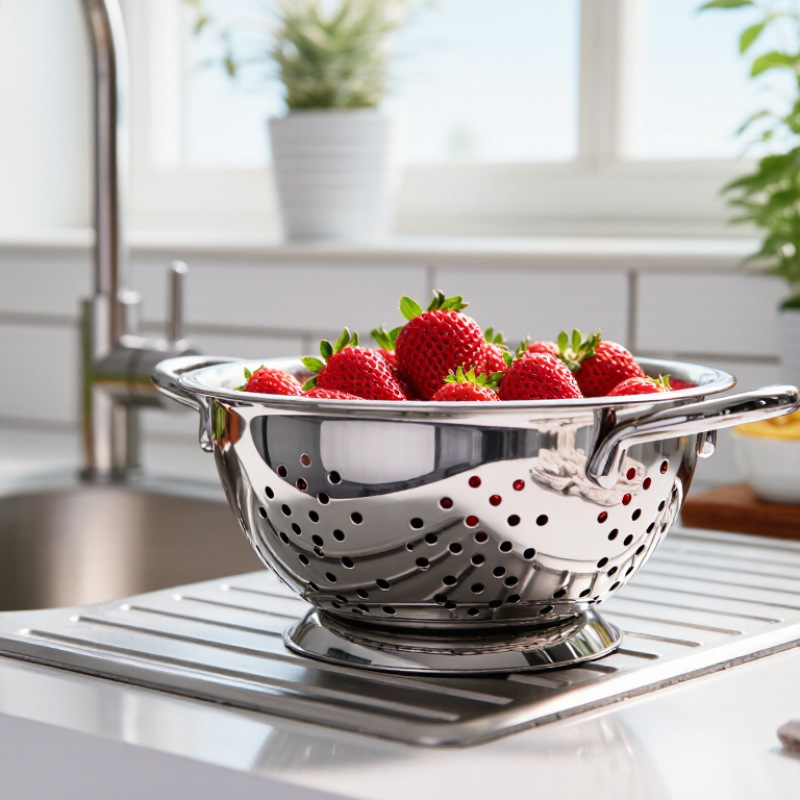
A basket colander holds food while water drains through its openings. Its shape matters: a wide rim can rest across a sink, while a footed base keeps the basket above pooled water. For rinsing berries or draining pasta, that small gap helps prevent food from sitting in murky water. Check that the handles feel secure when the basket is full.

Different designs suit different tasks. Perforated plastic or stainless-steel baskets have larger holes and drain quickly, making them useful for pasta, potatoes, and sturdy vegetables. Fine-mesh baskets catch small grains and delicate items, but they can take longer to rinse clean. A mesh screen may also trap pulp or seeds. That can be annoying.

Material affects weight, care, and durability. Stainless steel tolerates hot foods well and resists staining, though thin models may bend under heavy loads. Plastic is light and easy to handle, but check its heat guidance before draining freshly cooked food. Collapsible baskets save cupboard space, yet their folds need a thorough rinse. I would choose capacity based on the meals actually prepared, not the largest basket available; an oversized one can be awkward in a small sink. Examine the rim, base, and drainage holes for smooth edges and a stable fit.
Comparing Materials, Shape, and Drainage Design

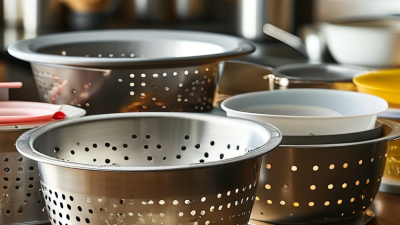
A basket colander works best when its material suits the food and the way you wash it. Stainless steel feels sturdy and handles hot pasta well, but thin models may wobble when filled. Plastic is lighter and often easier to grip, though it can stain from tomato sauce. Silicone folds for storage, yet a soft rim may bend under a heavy load. Check the handle joints and base, not just the bowl. Small details matter.

Shape affects both capacity and control. A wide, shallow basket lets water escape quickly from berries or rinsed greens, while a deeper bowl holds more pasta without spilling. A stable foot keeps the colander above sink water, but a broad rim can make it awkward to position in a small sink. Drainage design deserves a close look: evenly spaced holes help water leave across the base, while side openings can improve flow when the basket is tilted. Very large holes may let rice or tiny seeds slip through. I once chose a model with generous openings, then regretted it while washing quinoa. Consider how it feels when full, too. A comfortable handle and balanced weight can matter more than a polished finish. Not always obvious.

Choosing the Right Size and Capacity

Choosing the right basket colander starts with the food you usually prepare. A compact, 2-quart basket suits rinsing berries or draining a can of beans. For pasta, leafy greens, or family-sized portions, look for a capacity of about 5 to 8 quarts. Check the basket’s usable space, not just its listed capacity. A deep bowl can hold plenty, but it may be awkward to lift when full. I still find this easy to misjudge.

Tips: Measure your sink before buying. Leave room for the handles and faucet, and check whether the colander can rest securely over the basin. If you often wash small produce, a fine mesh or closely spaced holes help prevent pieces from slipping through. For pasta, wider openings drain faster. Small detail. It matters.

Think about weight when the basket is loaded with wet food. A large metal colander can feel heavy, while a lighter plastic one may flex under a full batch. Handles should offer a steady grip, even with damp hands. If storage space is tight, compare the basket’s width and height with your cupboard. Bigger is not always better; a colander that barely fits your sink may splash water across the counter. Choose enough capacity for your usual meal, with a little extra room for occasional larger batches.

Evaluating Stability, Handles, and Ease of Cleaning

A basket colander should sit steadily in the sink or over a bowl without rocking. Check whether its base has a broad, level contact area; narrow feet can wobble when the basket holds dense produce. A simple test helps: place it on a flat counter and press gently on opposite sides. It should stay put. Then consider the sink’s width. A stable colander that barely fits may be awkward to lift when full.

Handles matter most when the basket is wet or heavy. Look for grips that feel secure and connections that do not flex under light pressure. Longer handles can keep your hands away from splashing water, but they may catch on a crowded sink. There is a trade-off. For cleaning, inspect the holes, rim, and handle joints. Smooth surfaces and open drainage holes are easier to rinse than deep seams that trap spinach or rice. Tiny holes help contain small foods, though they can take longer to clear. A quick rinse may not remove everything; check the underside after washing.

Matching Colander Features to Your Kitchen Needs

A basket colander should fit the way you cook, not just look sturdy on a shelf. For rinsing berries or draining a small can of beans, a compact model is easier to lift and store. If you often wash leafy greens or drain a large pot of pasta, choose a wider basket with enough capacity to keep food below the rim. That helps prevent spills when you shake off water. Check the basket’s width against your sink before buying; a few centimeters can determine whether it rests securely or tips.

Hole size affects what the colander handles well. Fine perforations hold small grains and thin pasta more reliably, while larger openings let water escape quickly from vegetables. No design is perfect. Very fine holes may take longer to rinse clean, and small seeds can still lodge in the openings. Look for smooth edges and evenly spaced holes, then inspect them for trapped food after washing. Stainless steel can feel durable, while food-safe plastic is often lighter and gentler on a sink. Confirm care instructions if you rely on a dishwasher.

Handles and feet matter during real kitchen tasks. Long, comfortable handles make a full basket easier to carry, and stable feet keep its base out of pooled sink water. In a small kitchen, nesting or foldable designs can save cabinet space, though hinges may add cleaning work. I would measure the sink and storage shelf first; it is easy to overvalue a clever feature and overlook where the colander will actually sit.