Best Glass Containers for Food Storage in 2026
Choosing the best glass containers for food storage in 2026 is about more than clear walls and matching lids. A useful set should keep leftovers visible, stack neatly, and suit the way you cook. Glass Containers can serve many everyday needs, from portioning soup to storing cut fruit, but no single design fits every kitchen. Some pieces feel heavy. Some lids are fussy to clean. Small details matter.
This guide compares practical features shoppers can verify: capacity, shape, lid fit, cleaning instructions, and suitability for the fridge or freezer. It also explains why glass type and temperature guidance deserve attention. Oven-safe does not mean every container can move straight from a cold refrigerator into a hot oven. Check the maker’s instructions. Better safe than sorry.
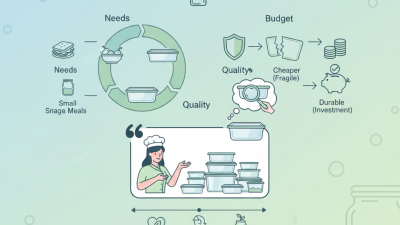
The recommendations focus on everyday usability, not impressive claims alone. A container that seals well may still be too bulky for a small shelf, while a lightweight option may not suit frequent meal prep. Weighing these trade-offs can help you choose a set that fits your habits and budget. Comparisons also have limits: product details and availability can change, and a good seal is not a substitute for sensible food handling. The right choice is the one you can use, clean, and store without hassle.
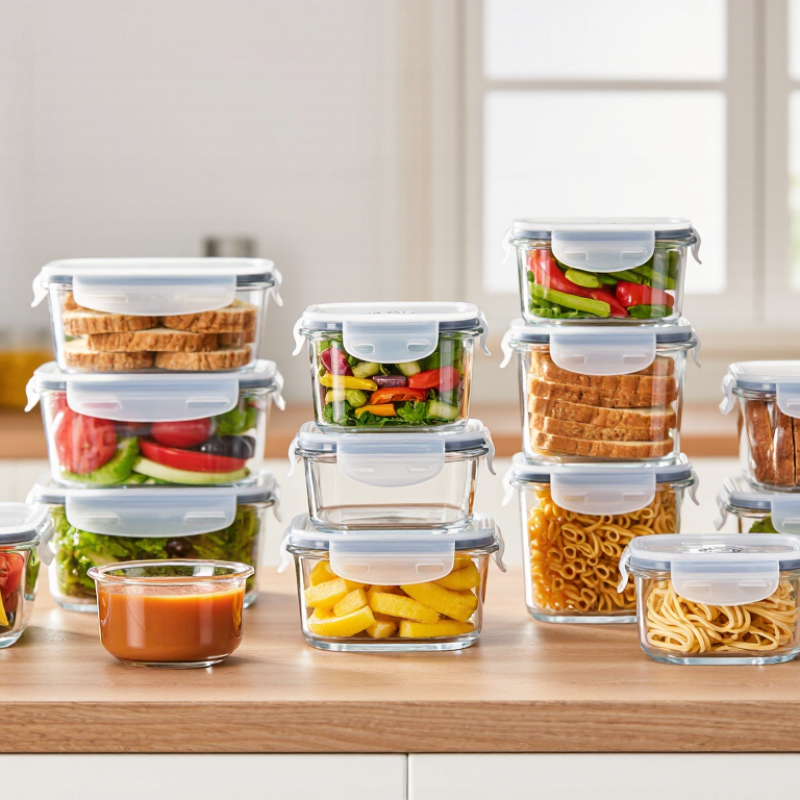
How Glass Food Storage Containers Are Designed and Classified
Best Glass Containers for Food Storage in 2026
How Glass Food Storage Containers Are Designed and Classified
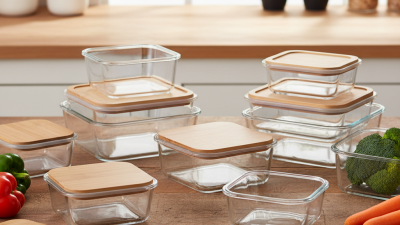
Glass food storage containers are designed around visibility, cleaning, and the foods they hold. Clear walls make leftovers easy to identify, while square or rectangular shapes use shelf space efficiently. Round bowls suit soups and mixed dishes, though they can leave awkward gaps in a packed fridge. Most containers pair a glass body with a separate lid and sealing edge. That small detail matters. A snug seal helps limit spills and moisture loss, but it does not make food shelf-stable.
Tips: Check the base and lid for care and temperature instructions; glass type alone does not confirm oven or freezer suitability. Let hot glass cool gradually before placing it on a cold surface. Inspect rims for chips. Small defects can worsen with repeated use.
Containers are commonly classified by capacity, shape, lid style, and intended use. Shallow dishes suit small portions, while deeper vessels hold stews or bulk-prepped grains. Some designs use locking tabs; others rely on a simple press-on lid. Choose for your routine, not just the neat-looking stack in a product photo. In practice, heavy glass may feel reassuring, but it can be awkward in crowded cupboards. Even a carefully chosen set may not fit every meal.
Which Materials and Features Matter When Choosing a Container
The glass type matters, but so does the job you expect it to do. Borosilicate glass generally tolerates temperature changes better than ordinary soda-lime glass, making it useful for moving food between refrigerator and oven when the maker explicitly allows both. Check the base and care instructions; “glass” alone does not mean oven-safe. Glass is nonporous and resists lingering food odors, but it is heavy and can chip if knocked against a sink.
Look closely at the lid and seal. A snug, removable silicone gasket helps contain soup or chopped fruit, while a loose-fitting lid may suit dry pantry goods better. Lids are often the weak point: plastic can warp, and seals can hold food residue. Small detail. Check whether the lid and gasket are dishwasher-safe, and whether replacement parts are available. I would not assume an airtight seal just because the lid clicks shut.
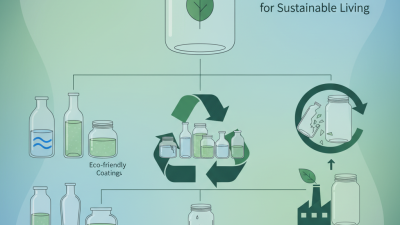
Recycling is another material consideration, though local rules vary. The U.S. EPA’s 2018 Advancing Sustainable Materials Management report estimated that 31.3% of glass containers and packaging were recycled in the United States. That figure describes recycling, not container safety or quality. Still, it is a useful reminder to consider a container’s full life, including whether your local program accepts its glass type. For everyday storage, match the container’s temperature rating, lid construction, and size to the food you actually keep. A beautiful set can still be awkward if the lids do not seal.
How Leading Container Types Compare for Everyday Food Storage
Glass food containers differ most in shape, lid design, and how easily they fit daily routines.
Rectangular containers stack neatly in refrigerators and suit leftovers or packed lunches. Round glass bowls work well for soups and mixed dishes, though they can waste shelf space. Divided containers keep separate foods apart, but their compartments may be awkward to wash.
That matters.
Lids deserve close attention.
A locking plastic lid can help contain sauces during a commute, while a simple press-on lid is quicker for refrigerator storage. Neither makes every container leakproof; check the seal and avoid tipping a filled container before testing it. Glass itself resists stains and odors better than many plastics, but it is heavier and can chip if knocked against a sink.
Not always convenient.
For oven use, verify the manufacturer’s temperature guidance for both the glass and lid.
Some glass is designed for broader temperature changes, while other types may crack after sudden heating or cooling. Never assume a refrigerator-cold dish can go straight into a hot oven. I’d choose a few stackable rectangular pieces for everyday leftovers, then add a bowl or two for serving.
The lids are easy to misplace.
Choose sizes that match your usual portions, not an idealized meal plan.
How to Match Container Shapes and Sizes to Different Foods
Choosing glass storage starts with the shape of the food, not a matching set. Wide, shallow containers suit leftovers, cooked grains, and chopped vegetables. Their broad surface makes portions easier to cool and reheat evenly. Tall, narrow jars work well for broth, sauces, and beans. They save shelf space, but can be awkward for foods that need scooping. Leave extra room for liquids and foods that may expand.
Tips: Store berries in a shallow container, and dry them well before storing. Keep leafy greens in a roomy container with a clean, dry towel to absorb moisture. For lunch portions, choose a container that holds one serving without leaving a large air gap. Glass is sturdy, but it is heavier than plastic.
It is easy to misjudge capacity by looking at a container’s height alone. Check its usable volume and opening width; a narrow opening can make cleaning sticky sauces difficult. Small containers help with dips and chopped toppings, while larger, rectangular ones fit stacked sandwiches or portions of roasted vegetables. Match the container to how you’ll use the food. A perfect fit is not always practical: odd-shaped leftovers may need a little extra space.
How to Use, Clean, and Maintain Glass Containers Safely
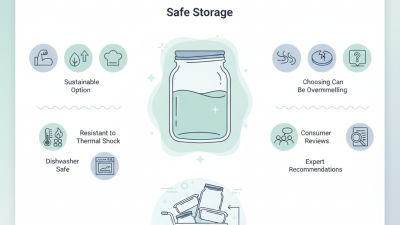
Glass containers stay safer when their limits are respected. Before use, inspect rims, corners, and lids for chips, cracks, or warped seals. A tiny chip is easy to miss. It can worsen with handling. Use containers only for heating or freezing when their care instructions permit it; “glass” alone does not guarantee suitability for every use. Avoid sudden temperature shifts. Do not move a cold dish straight into a hot oven or place hot glass on a wet, chilled counter. Glass can break.
Wash containers with warm, soapy water or use a dishwasher if the care instructions allow it. Clean greasy residue from lid grooves with a soft brush, then dry completely before stacking. Replace damaged lids, since a poor seal can leak. USDA Food Safety and Inspection Service guidance says to refrigerate leftovers within two hours, keep the refrigerator at 40°F (4°C) or below, and use most cooked leftovers within three to four days. That timing matters more than a tight-looking lid. When reheating, vent lids and stir food to reduce cold spots, while staying within the container’s stated heat limits. I still find stacking damp containers tempting. Don’t.
Glass Food Storage: Key Food-Safety Temperatures
Keep refrigerators at or below 40°F (4°C) and freezers at 0°F (-18°C). Reheat leftovers to 165°F (74°C). These are food-safety temperatures, not heat-resistance ratings for glass; avoid sudden temperature changes, which can cause glass to break.
Cold storage guidance ·
Leftover reheating guidance