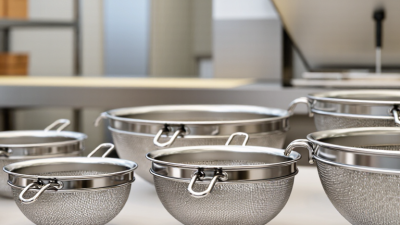
7 Tips for Choosing the Best Food Strainer?
A Food Strainer may seem like a simple kitchen tool, but its design can shape everyday cooking. The right mesh helps drain pasta while keeping small pieces from slipping away. A sturdy colander can rinse berries without tipping, and a comfortable handle makes a full pot easier to manage. Small details matter.
This guide explores seven practical tips for choosing a strainer that suits your kitchen. It considers mesh size, material, capacity, handle design, stability, cleaning, and storage. A cook who often rinses quinoa may need finer openings than someone who mainly drains spaghetti. Check the rim and base, too; a strainer that rocks in the sink can make routine tasks awkward. Look for smooth edges and a construction that feels solid, not merely shiny. These clues can help you compare products, though they cannot replace checking the item in person when possible.
No single model fits every kitchen. A large stainless-steel strainer may be useful for family meals, but cumbersome in a crowded cupboard. A compact option saves space, yet may require several batches. There is a trade-off. Product descriptions can also make small differences sound decisive, so consider how you actually cook before choosing. It is easy to focus on appearance and overlook cleanup. That judgment deserves a second look. The tips ahead offer a clear way to weigh everyday needs against price and convenience, without assuming the most expensive strainer is automatically the best.
Identify the Foods and Tasks You Need a Strainer For
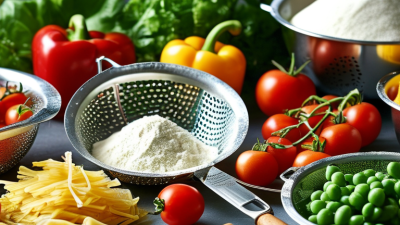
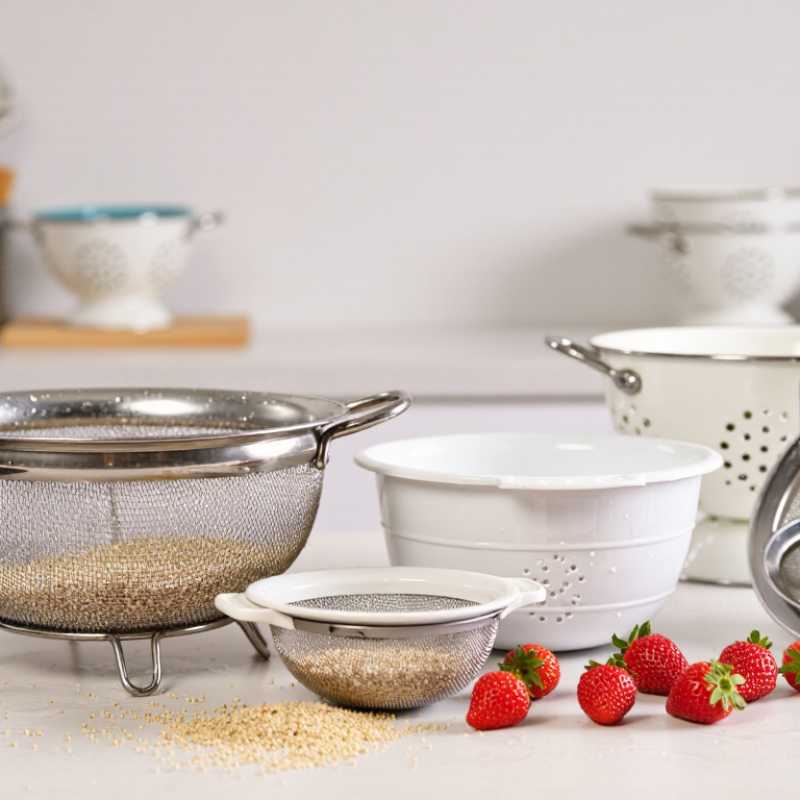
Choosing a strainer starts with the food, not the handle. Will you rinse berries, drain pasta, wash leafy greens, or catch small grains? Fine mesh holds quinoa and herbs, while larger holes let pasta water escape quickly. A wide basket is useful for bulky greens; a small one is easier to store. USDA’s Dietary Guidelines for Americans, 2020–2025, use 2.5 cups of vegetables per day as the benchmark for a 2,000-calorie eating pattern. If produce is a daily task, choose a strainer that can hold a useful batch without crowding it.
Tip: Match the mesh to the smallest food you handle. Test rice or chopped herbs before buying if possible. Tiny holes can clog with thick mixtures, though. For pasta and potatoes, prioritize a stable base, comfortable handles, and enough capacity to drain without lifting a heavy, full basket over the sink.
For berries and greens, check that the bowl drains freely and is easy to rinse clean. The FDA advises washing produce under running water; a strainer can help contain loose leaves, but it does not replace rinsing and gentle rubbing. Think about your actual routine, too. I’d choose a modest, easy-to-clean strainer over a large one that rarely fits the sink. USDA and FDA guidance describe general needs, not every kitchen’s best fit.
Compare Strainer Types, Shapes, and Capacities
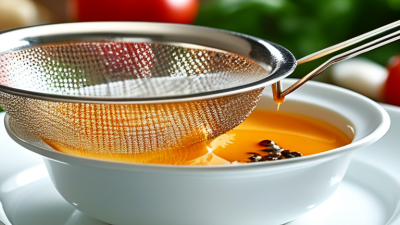
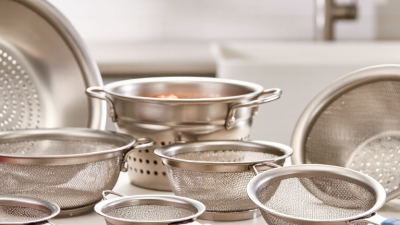
A fine-mesh strainer catches seeds, loose tea, and small pasta, while a colander’s larger holes drain vegetables quickly. Choose the opening size for the foods you prepare most often. A mesh basket may suit rinsing quinoa, but it can clog with thick sauces. That happens. For hot pasta, a sturdy colander with broad handles is easier to lift and safer to balance over a sink. Check that its feet keep the base above pooled water.
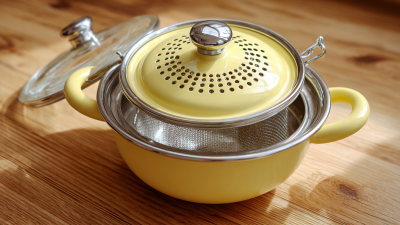
Shape affects both draining and storage. A deep, rounded bowl holds berries or several portions of noodles, while a shallow strainer spreads leafy greens for rinsing. A cone-shaped sieve fits over narrow pots, though its smaller capacity may mean extra batches. Match capacity to your usual cooking: a compact option saves cupboard space, but an undersized one can spill when loaded. Small is not always better. Before buying, compare the rim width with your sink or mixing bowls, and check whether the handles stay cool and feel secure when wet. A hanging loop can help, but only if you have a place to store it. Mesh and holes can trap food, so consider how easily each design rinses clean. The perfect choice depends on your kitchen; even a versatile strainer may feel awkward for one specific task.
Choose Durable Materials and the Right Mesh Size
A food strainer works hard around hot water, acidic sauces, and repeated washing, so material quality matters. Stainless steel is a dependable choice for everyday use because it resists rust and usually tolerates heat well. Look closely at the rim, handle joint, and wire connections; weak welds can loosen after many washes. Small details matter. A sturdy handle should feel balanced when the strainer holds a full serving of pasta. If you choose a plastic or silicone model, check its stated heat limit before using it over a steaming pot. “Heat-resistant” can mean different things in practice.
Mesh size should match what you strain most often. Fine mesh catches seeds, pulp, and small grains, but it may clog quickly with thick mixtures and take longer to rinse. Coarser mesh drains pasta and rinsed vegetables faster, while letting tiny particles pass through. Not always. If you make both smooth sauces and chunky stock, one strainer may not do both jobs well. Compare the openings in person when possible, and consider whether the mesh feels evenly woven rather than loose near the rim. A narrow bowl can also slow draining, even with suitable mesh. I have found that cleaning is easy to overlook: trapped food around the edge can be stubborn, so a smooth rim and accessible mesh are worth checking.
Match Your Final Choice to Storage Space and Budget
Measure the shelf before shopping. A strainer that fits a large pot may not fit your cupboard. Check its width, height, and handle length against the space you actually use. Nested sets can save room, while collapsible models suit cramped drawers. Small details matter. A long handle may snag on nearby pans, and a hanging loop helps only if you have a clear hook.
Set a budget that includes more than the purchase price. A sturdy stainless-steel frame and securely attached mesh may hold up better with frequent use. Check the rim for rough edges and the mesh for gaps that could trap food. If you strain pasta often, a stable base is useful; for occasional rinsing, a simpler model may be enough. Not always.
Think about cleaning and storage together. Fine mesh catches small grains, but it can take longer to rinse clean. A dishwasher-safe strainer may save effort, though its shape still needs to fit your available space. A common misstep is choosing the largest size “just in case.” It can be awkward to lift when full and annoying to store. Compare dimensions and care instructions before paying extra for features you may rarely use.