Welcome to this website!

Leave Your Message

Who Are the Top 10 Plastic Container Suppliers?

Choosing among the top ten Plastic Containers suppliers means looking beyond a polished catalog. Buyers need containers that fit their products, production lines, and shipping conditions. A clear comparison should consider material options, capacity, closure fit, customization, quality controls, lead times, and customer support. Small details matter. A lid that loosens in transit or a bottle that squeezes poorly can create costly problems on the packing floor.

This guide introduces ten suppliers and the capabilities that may distinguish them. It considers common formats, from jars and bottles to tubs and protective packaging, while recognizing that each company serves different markets. William McDonough, an architect and sustainable-design advocate, has said, “Being less bad is not being good.” His remark is a useful reminder: packaging decisions deserve scrutiny beyond appearance. Ask suppliers about material specifications, recycled content where relevant, and how they support consistent production. Verify important claims directly; a product page alone may not answer every question.

There is no universal winner. A small brand may value flexible order quantities, while a large manufacturer may prioritize stable output and dependable delivery. This overview is a starting point, not a substitute for checking samples, specifications, and service terms. It may still overlook a supplier that fits a particular project better. Use the shortlist to ask sharper questions, compare practical trade-offs, and identify the Plastic Containers partner that suits your actual needs.
Who Are the Top 10 Plastic Container Suppliers?

What Defines a Leading Plastic Container Supplier?

A leading plastic container supplier is defined by consistent performance, not a polished catalogue.

The OECD’s Global Plastics Outlook (2022) estimates that 460 million tonnes of plastic were produced in 2019, while 353 million tonnes became waste. Only 9% of that waste was recycled. Packaging accounted for about 40% of plastic waste. These figures make material efficiency a practical supplier test: can a container use less resin without losing strength or protection?

Look for documented resin specifications, batch traceability, and repeatable quality checks. A dependable supplier can provide measurements for wall thickness, neck finish, and container weight. It should also test for leaks, drops, and closure fit under realistic conditions. Small details matter. A cap that loosens during transport can undo careful design work. Ask for inspection records and sample results, not only verbal assurances.

Material choices deserve equal scrutiny. Lightweight designs and recyclable formats can reduce impacts, but thinner walls may affect stacking or barrier performance. Trial containers with the actual product and shipping conditions. Review defect rates, delivery consistency, and corrective actions over time. No supplier is flawless; a useful partner reports problems early and explains how it will prevent repeats. One point is easy to miss: a promising prototype is not proof of reliable production.
Which Industries and Container Types Do Suppliers Serve?

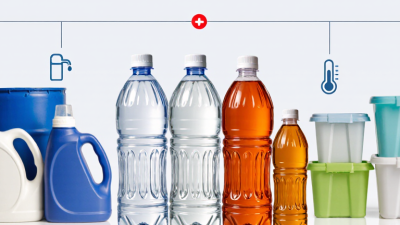
Plastic container suppliers serve food, beverage, personal care, household, healthcare, and industrial businesses. A food producer may need wide-mouth tubs for sauces, while a shampoo maker may prefer narrow-neck bottles with controlled dispensing. Healthcare buyers often focus on clean handling, secure closures, and clear product identification. Requirements vary by product and market, so buyers should confirm material suitability and testing directly with each supplier.

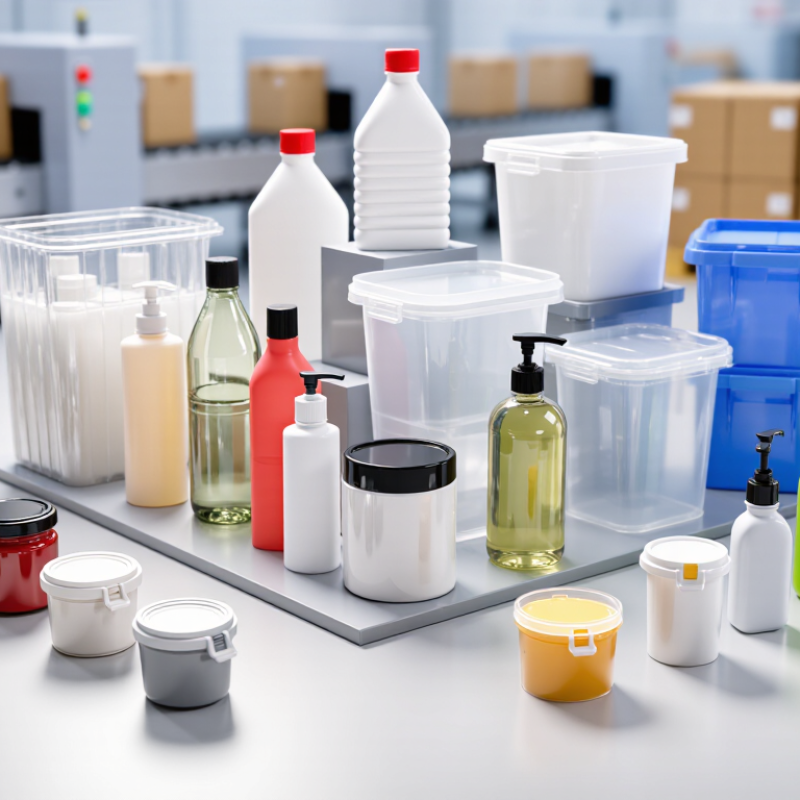
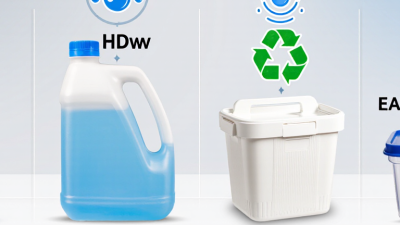
Common formats include bottles, jars, tubs, pails, drums, and small sample containers. Suppliers may offer different resins, wall thicknesses, colors, and closure styles. Some provide barrier features to help protect contents from moisture or oxygen. Others specialize in lightweight designs or containers suited to automated filling lines. Details matter. A container that looks sturdy on a desk can buckle during stacking or slow down a production line.

The best supplier fit depends on how a container will be filled, stored, shipped, and opened. Ask about available sizes, minimum order quantities, tooling, quality checks, and lead times. Request samples for practical trials, not just visual review. Fit is everything. A neat sample can still disappoint when tested with the actual product, cap, and filling equipment. Suppliers also differ in recycled-content options and their ability to provide consistent documentation, so those details deserve careful review before ordering.

Who Are the Top 10 Plastic Container Suppliers?

Who are the top 10 plastic container suppliers? There is no reliable universal ranking: supplier strength depends on the container, order size, and delivery region. A practical shortlist should cover ten capabilities: high-volume rigid packaging, food-contact containers, reusable storage tubs, narrow-neck bottles, wide-mouth jars, industrial pails, custom-molded parts, recycled-resin packaging, lightweight designs, and regional production. These are supplier types, not endorsements. Verify each candidate’s materials, production capacity, and quality records before comparing prices.

Ask for a sample that matches your intended use. Check the rim for warping, press the walls to compare stiffness, and test whether the cap closes evenly. For repeat orders, request measurements for weight, wall thickness, and neck finish. A few grams of variation may matter when containers run through automated filling lines. Request documentation for material suitability and batch traceability, then confirm lead times in writing. Small trials help.

Not every supplier publishes the same level of detail. That makes comparisons imperfect. A low unit price can hide mold charges, minimum-order limits, or freight costs. Ask how defects are handled, and clarify whether production changes require approval. The best fit is usually the supplier whose process matches your actual packaging needs.

Who Are the Top 10 Plastic Container Suppliers? - Who Are the Top 10 Plastic Container Suppliers?

The table compares ten common plastic-container supplier categories. It is a non-ranked overview, not a list of named companies. Sizes are typical examples and vary by product and manufacturer.

Supplier category Common container formats Typical materials Typical size range Common manufacturing process Typical applications
Beverage bottle suppliers Water, soft-drink, and juice bottles PET About 100 mL–2 L Injection stretch blow molding Bottled drinks and liquid foods
Household and personal-care bottle suppliers Detergent, shampoo, and cleaning-product bottles HDPE, PET, PP About 50 mL–5 L Extrusion blow molding or injection molding Household, personal-care, and cleaning products
Food jar suppliers Wide-mouth jars and tubs PET, HDPE, PP About 100 mL–5 L Injection molding or blow molding Spreads, snacks, powders, and dry foods
Rigid food tub suppliers Round or rectangular tubs with lids PP, PET About 100 mL–5 L Injection molding or thermoforming Dairy foods, takeout meals, and food storage
Food tray suppliers Shallow trays and compartment trays PET, PP Commonly about 250 mL–2 L capacity Thermoforming Fresh produce, prepared meals, and meat packaging
Cup and drinking-container suppliers Disposable cups and reusable drinking cups PP, PET, PS About 100–700 mL Thermoforming or injection molding Beverage service and food retail
Pail and bucket suppliers Lidded pails and buckets, sometimes with handles HDPE, PP About 1–25 L Injection molding Paint, coatings, food ingredients, and chemicals
Industrial drum suppliers Open-head and tight-head drums HDPE About 20–220 L Extrusion blow molding Industrial liquids, powders, and bulk ingredients
Intermediate bulk container suppliers Caged liquid-bulk containers with pallet bases HDPE inner bottle with a metal cage and base Commonly 500–1,000 L Blow-molded inner bottle with assembled outer structure Bulk transport and storage of liquids
Reusable crate and bin suppliers Stackable crates, totes, and large bins HDPE, PP From small totes to bins of several hundred liters Injection molding or rotational molding Warehousing, agriculture, food distribution, and material handling

How Do the Leading Suppliers Differ in Materials and Capabilities?

Leading plastic container suppliers differ in material expertise, tooling, and the problems they can solve. PET is common for clear bottles and jars, where visibility and low weight matter. HDPE handles opaque containers that need sturdier walls, such as household-product jugs. PP tolerates warmer filling conditions in some applications, though performance depends on the container design and process. Materials are not interchangeable.

Look beyond the resin name. Ask whether the supplier can adjust wall thickness, neck finishes, closure fit, and color consistently. A small mismatch between cap and container can cause leaks or slow packaging lines. Some suppliers offer in-house mold design and short-run sampling; others focus on large production volumes. Useful evidence includes dimensional inspection records, material specifications, and samples tested under actual filling conditions. Ask for evidence.

Recycled content and barrier layers may also be available, but options vary by material and manufacturing setup. Confirm how changes affect clarity, stiffness, and lead time. A supplier may produce an excellent prototype yet offer fewer decoration choices at scale. That gap is easy to overlook. A practical comparison weighs product fit, repeatability, service, and documented quality controls—not just unit price or catalog size.

What Factors Should Buyers Consider When Comparing Suppliers?

When comparing plastic container suppliers, look beyond unit price. Check resin type, wall thickness, capacity, neck finish, and dimensional tolerances against your actual product and filling line. A lid that feels secure by hand may leak after vibration or temperature changes. Request samples, test-fit closures, and review inspection records from recent production runs. Small gaps matter.

The OECD’s Global Plastics Outlook (2022) reports that packaging represented 31% of global plastics use in 2019. That scale makes material efficiency and reliable quality worth careful review. Ask suppliers for documented resin specifications, defect rates, production capacity, and realistic lead times. For food-contact or other sensitive uses, request applicable test reports and traceability records; do not rely on a verbal assurance. A polished sample can still hide batch variation, so confirm how quality is checked at scale.

Tips: Compare quotes using the same specifications, including packaging, tooling, freight, and minimum order quantities. Ask for a sample from routine production, not only a specially prepared one. Check whether recycled-content claims are supported by documentation. Ask for evidence. Sustainability data can be incomplete, and buyers should note what remains unverified rather than treating every supplier’s figures as directly comparable.