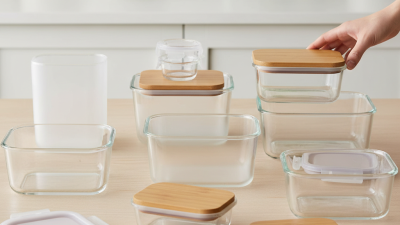
How to Choose the Best Glass Containers for Your Needs?
Choosing the right glass containers can be a daunting task. With so many options available, it's easy to feel overwhelmed. Glass containers are essential for both storing food and organizing your kitchen. They provide durability and versatility.
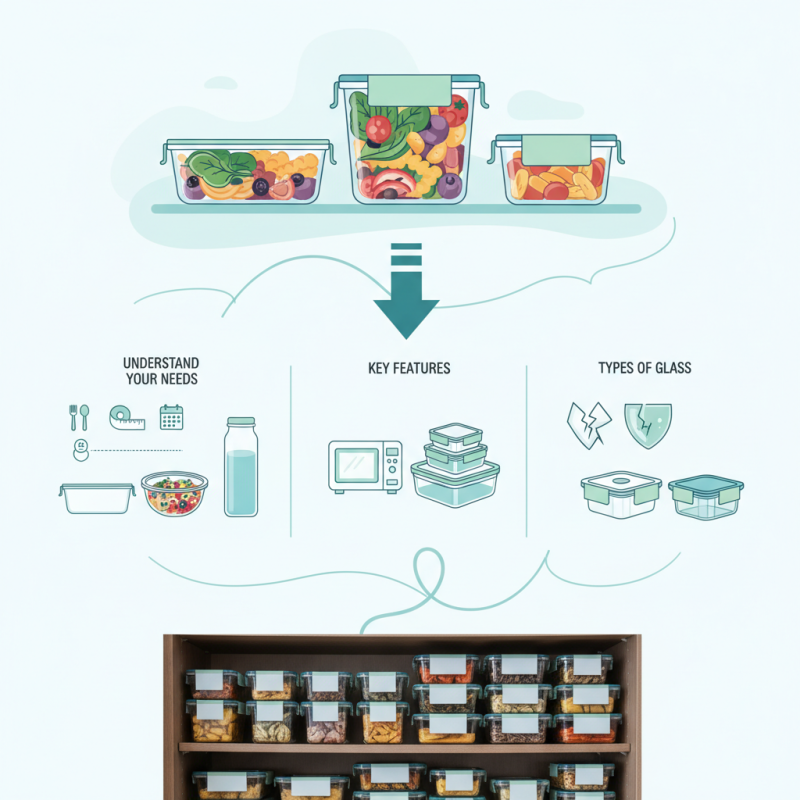
Understanding your needs is crucial. Consider the size, shape, and usage of the containers. Will you use them for meal prep, leftovers, or storage? Each purpose requires different features. Look for containers that are microwave and dishwasher safe for convenience.
Be aware of the types of glass. Some containers are made of tempered glass, providing extra strength. Others may have plastic lids, which can be less durable. Pay attention to these details. Investing time in choosing the right glass containers will lead to better organization and food safety in your home.
Understanding the Benefits of Glass Containers for Storage
Glass containers offer numerous benefits for storage that make them a popular choice in kitchens and homes. They are non-toxic, ensuring that no harmful chemicals leach into your food. This is especially crucial for those trying to lead a healthier lifestyle. Moreover, glass is durable. It can withstand high temperatures, making it ideal for microwave and oven use. However, users must be cautious about sudden temperature changes to prevent breakage.
Another advantage of glass containers is their ability to prevent odors. Unlike plastic, glass does not absorb smells. This means your food will stay fresh longer. Cleaning glass is also straightforward. A simple wash with soap and water or a trip through the dishwasher can restore its shine.
Nonetheless, some people find they scratch easier than plastic, which can affect their appearance over time.
Aesthetic appeal is an often-overlooked benefit. Glass containers come in various designs that can enhance your kitchen's look. You can see the contents inside, making it easier to organize and find ingredients when cooking. Yet, they can be heavier than plastic, which might be a concern for some users. Overall, glass containers are more than just storage; they are a smart, healthier choice for keeping food fresh and your kitchen tidy.
Identifying Your Storage Needs: Size and Shape Considerations
When selecting glass containers, consider your specific storage needs. The size of your containers plays a crucial role in effectiveness. A small jar may work well for herbs or spices, but larger containers are necessary for bulk items like grains. Think about how you plan to store your food. Will you stack them or line them up on a shelf? This influences the dimensions you need.
Shape is equally important. Round containers are often easier to clean, but square ones maximize space in the fridge. Consider clashing shapes if you're storing items with different dimensions or shapes. Make room and ensure everything fits neatly. Reflect on your cooking and eating habits. If you frequently meal prep, varied sizes allow for flexibility. Containers that squash together may become a hassle during cleaning or organization.
Finally, assess how often you need access to these containers. If they are for long-term storage, sturdiness matters more than appearance. Frequent use may require easier-to-open lids. Sometimes, the ideal setup isn't what looks best but what's most practical for daily life. Don’t overlook these details as they can greatly impact your experience with glass containers.
How to Choose the Best Glass Containers for Your Needs? - Identifying Your Storage Needs: Size and Shape Considerations
| Container Type |
Size (Volume) |
Shape |
Ideal Use |
| Small Round Jar |
250 ml |
Round |
Spices, Herbs |
| Medium Square Container |
750 ml |
Square |
Leftovers, Snacks |
| Large Rectangular Container |
1.5 L |
Rectangular |
Meal Prep, Casseroles |
| Wide Mouth Canister |
1 L |
Cylindrical |
Dry Goods, Flour, Sugar |
| Baking Dish |
2 L |
Oval |
Baking, Roasting |
Evaluating the Safety and Durability of Glass Materials
When choosing glass containers, safety and durability rank high. Glass is considered non-toxic and is generally safe for food storage. Unlike plastic, it won’t leach harmful chemicals. However, not all glass is created equal. Tempered glass offers better durability and resistance to thermal shock. Regular glass, while functional, may break more easily. Check for any chips or cracks before use.
Tips for selecting safe glass: Look for containers made from borosilicate glass. This type withstands temperature changes. Also, consider airtight lids to preserve freshness. Always inspect for any defects. This helps ensure your food remains uncontaminated.
Durability is key. Heavy-duty glass containers last longer and resist wear. Lightweight options might crack under stress. Think about how often you will use them and for what purpose. If you frequently reheat in them, prioritize strong options. Remember, even sturdy containers can shatter. Always handle with care and be mindful of their limitations.
Glass Containers Safety and Durability Evaluation
Comparing Different Types of Glass Containers: Features and Uses
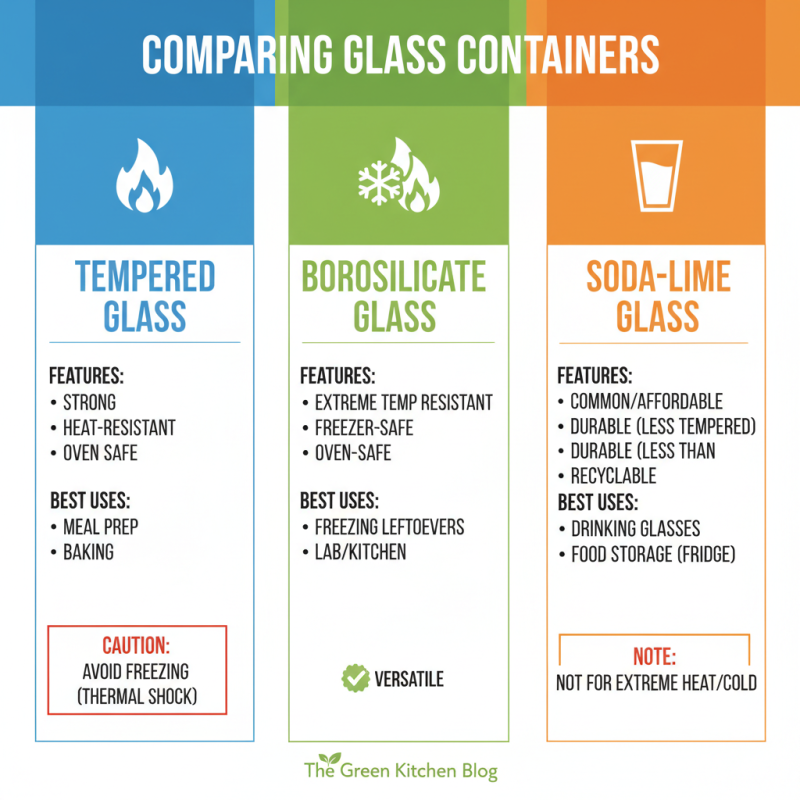
When selecting glass containers, it's essential to compare the various types available. Each type serves unique needs. For example, tempered glass containers are strong and heat-resistant. They are perfect for meal prep and can withstand oven temperatures. However, they may not be ideal for freezing due to thermal shock risks.
Another option is borosilicate glass, known for its durability and resistance to thermal changes. This type is suitable for both hot and cold food storage. Additionally, borosilicate containers often come with airtight lids for better preservation. But they can be more expensive than regular glass, making them less accessible for everyone.
Standard glass containers are more common and versatile, offering a lower-cost option. While they are suitable for a range of food types, they might not handle high temperatures as well. It’s key to consider your primary use. Will you heat food often, or do you mainly store leftovers? Recognizing your needs will lead to more informed choices. Remember to weigh the pros and cons of each type carefully to find what truly fits your lifestyle.
Tips for Maintenance and Care of Glass Containers
Glass containers are prized for their durability and ability to keep food fresh. However, effective maintenance is crucial for maximizing their lifespan. Regular inspections are necessary. Look for scratches or chips, as these can compromise the container's integrity. According to industry reports, damaged glass containers often lead to increased food waste, estimated at 20% globally. Taking the time to examine your containers can help avoid this issue.
When it comes to cleaning, avoid abrasive scrubbers. Instead, opt for soft cloths or sponges. Using harsh chemicals can weaken the glass over time. Research shows that many households overlook this detail, leading to premature wear. Proper washing not only maintains appearance but also ensures safety. Be mindful of extreme temperature changes. Placing a hot glass container in cold water can cause thermal shock, leading to cracks. Such simple mistakes can be detrimental.
Storage is also an important consideration. Keep glass containers in a dry, cool place. Excessive moisture can promote mold growth, particularly in lids and seals. This is often an underestimated factor. Data indicates that 15% of food safety issues stem from improper storage practices. Reflecting on these aspects can lead to better care and longer usage of your glass containers.